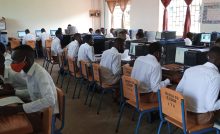
Imagine a classroom where textbooks are supplemented by interactive simulations, where students collaborate on projects with peers across the country, and where teachers are equipped with the latest digital tools to inspire and guide their students. This is the vision driving Uganda’s ambitious education revolution. Rather than simply adding computers to classrooms, Uganda is strategically integrating technology to transform teaching methods, spark innovation, and prepare its youth for the demands of a rapidly evolving global economy.
In today’s world, digital literacy is as crucial as reading and writing. Uganda recognizes this and is taking proactive steps to ensure that all students, regardless of their location or socioeconomic background, have access to the digital tools they need to succeed. Consider the example of a rural school in Northern Uganda, where students are now using tablets to access educational resources and connect with teachers remotely. These resources are not just about access; they’re about empowerment. They enable students to conduct research, collaborate with others, and explore subjects in ways that were previously unimaginable. The government is working with NGOs and private companies to expand internet access and provide affordable data plans, ensuring that no one is left behind. But access is only the beginning. Uganda’s digital literacy programs also focus on teaching students how to evaluate online information critically, protect themselves from cyber threats, and use technology responsibly.
The key to effective digital literacy is a curriculum that is both engaging and relevant. Uganda is developing a curriculum that integrates digital skills across all subjects, from mathematics to history. This ensures that students learn to use technology not just as consumers of information, but as creators and innovators. Think of students learning to code their own websites, design mobile apps, or create digital art. These are the skills that will empower them to compete in the 21st century job market.
Uganda’s journey is not without its challenges. Ensuring sustainable funding for technology infrastructure, providing ongoing technical support to schools, and bridging the digital skills gap among teachers are all critical priorities. Overcoming these challenges requires a collaborative approach, with the government, private sector, and civil society organizations working together to build a robust and equitable digital education ecosystem.
Uganda understands that teachers are the most important factor in any successful education system. That’s why it’s investing heavily in comprehensive teacher training programs focused on digital literacy. These programs equip educators with the skills and confidence to integrate technology into their teaching practices effectively. For example, teachers are learning how to use educational software to create interactive lessons, leverage online resources to supplement their teaching, and assess student learning using digital tools.
Teacher training is not a one-time event, but an ongoing process. Uganda is committed to providing teachers with continuous professional development opportunities to keep them abreast of the latest technological advancements and pedagogical approaches. This includes workshops, online courses, and peer-to-peer learning initiatives, ensuring that teachers are always learning and growing.
To ensure the effective implementation of digital literacy programs, teachers receive ongoing mentorship and support from experienced educators and technology specialists. This support helps teachers overcome challenges, share best practices, and build a strong community of digital literacy champions. This collaborative approach ensures that teachers have the resources and support they need to succeed.
The early results of Uganda’s digital literacy and teacher training initiatives are encouraging. Students are showing increased engagement in learning, improved academic performance, and a greater interest in pursuing careers in STEM fields. As these programs continue to expand and mature, Uganda is poised to become a leader in digital education in Africa, unlocking the potential of its youth and building a brighter future for all. The transformation is already visible. Imagine a young girl in rural Uganda, once limited by her circumstances, now using technology to learn, create, and connect with the world. This is the power of digital education, and this is the future that Uganda is building.
If you want a practical next step, you can also check out Heal your past, design your future.
If you want a practical next step, you can also check out Become an Ultimate Master of your life.
Uganda Plugs Into the Digital Age: A Classroom Revolution Imagine Ugandan students learning about the…
Uganda's Education Transformation: From Pandemic Response to Long-Term Vision The COVID-19 pandemic presented unprecedented challenges…
The Nuances of Opinion: Rethinking Book Reviews We often think of book reviews as definitive…
Beyond the Basics: Mastering the Book Review In the sprawling world of literature, book reviews…
The Art of Book Reviewing: More Than Just a Summary Book reviews serve as vital…
The Power of Connection in Book Reviews In the boundless realm of books, reviews act…

Leave a Comment