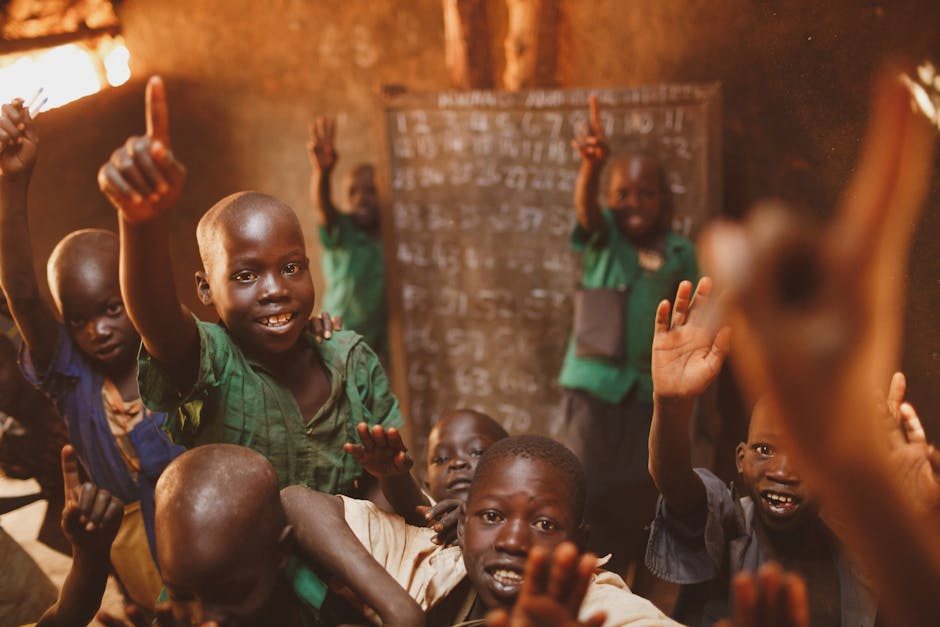
Kampala, Uganda – Uganda’s education system is undergoing a profound transformation, shifting its focus from traditional, exam-centric learning to a more holistic, community-driven model. This new approach emphasizes not just academic achievement, but also the development of practical skills, critical thinking, and a strong sense of civic responsibility, aiming to prepare students to become active and engaged members of their communities.
A cornerstone of this educational evolution is the integration of real-world experiences into the curriculum. Schools are increasingly adopting project-based learning, where students tackle real-world problems and develop solutions collaboratively. For instance, instead of simply learning about agriculture from a textbook, students might establish and manage a school garden, applying scientific principles to grow crops and learning about sustainable farming practices. Similarly, in civics class, students could organize community clean-up campaigns or participate in local government meetings to understand the democratic process in action.
Technology is not just a tool for learning; it’s a catalyst for innovation. Schools are establishing technology and innovation hubs, providing students with access to computers, internet, and mentorship from local tech professionals. These hubs empower students to develop digital skills, explore coding, and create their own digital solutions to community challenges. Imagine students creating a mobile app to connect local farmers with consumers, or developing a website to promote tourism in their region.
Uganda’s new educational philosophy places a strong emphasis on nurturing creativity and entrepreneurial spirit. Schools are organizing innovation camps, where students work in teams to brainstorm ideas, develop prototypes, and pitch their inventions to potential investors. This approach not only fosters creativity but also equips students with the skills to become entrepreneurs and create their own economic opportunities. For example, students might design and build a solar-powered water heater for their school or develop a sustainable packaging solution for local businesses.
Arts and culture are being integrated into the curriculum to foster creativity, self-expression, and a strong sense of cultural identity. Schools are organizing cultural festivals, inviting local artists and artisans to share their skills and knowledge with students. Students are learning traditional music, dance, crafts, and storytelling, not only preserving their cultural heritage but also developing their creative potential and critical thinking skills. Imagine students creating a play based on a local legend or designing a collection of crafts using traditional techniques and sustainable materials.
Recognizing the importance of emotional intelligence and leadership skills, schools are implementing programs that promote self-awareness, empathy, communication, and conflict resolution. Students are learning how to manage their emotions, build positive relationships, and work effectively in teams. They are also being trained in leadership skills, such as public speaking, decision-making, and problem-solving, preparing them to become leaders in their communities. These skills are taught through interactive workshops, role-playing exercises, and community service projects.
Mentorship programs are connecting students with successful professionals in their communities, providing them with guidance, support, and inspiration. Mentors share their experiences, offer career advice, and help students develop their goals and aspirations. This program helps students build confidence, expand their networks, and gain a better understanding of the opportunities available to them.
While holistic development is key, performing well on UNEB exams remains important. Here are effective study strategies:
For PLE science, encourage hands-on learning through experiments and observations. Understanding the ‘why’ behind scientific concepts is more important than rote memorization. Use everyday examples to illustrate scientific principles.
UCE mathematics success hinges on problem-solving skills. Focus on understanding the underlying concepts and applying them to various problem types. Regular practice is crucial.
UACE history requires critical analysis and understanding historical context. Students should focus on understanding the causes and consequences of events, as well as the perspectives of different stakeholders.
Uganda’s educational transformation requires a collaborative effort from educators, policymakers, parents, and the community as a whole. By working together, Uganda can create an education system that truly empowers its learners to reach their full potential and contribute to a brighter future for the nation, one where education is not just about acquiring knowledge, but about building a better world.
If you want a practical next step, you can also check out Heal your past, design your future.
If you want a practical next step, you can also check out Become an Ultimate Master of your life.
While pharmaceutical companies invest billions developing synthetic antivirals, a humble wild shrub has been delivering…
Hidden along fence lines, riverbanks, and the forgotten edges of parks and woodland paths grows…
Most people treat Sunday evening as their productivity launchpad — a time to map out…
Long before pharmaceutical companies existed, healers across Asia were already prescribing a bright orange root…
Long before pharmaceutical laboratories existed, traditional healers across Asia were prescribing a bright yellow root…
The Rise of No-Cost AI Voice GenerationA quiet revolution has taken place in audio production.…


Leave a Comment