

Yarrow: From Battlefield to Backyard Remedy
For millennia, Achillea millefolium, or yarrow, has been a staple in traditional medicine. Its reputation extends beyond folklore; modern research is beginning to validate its diverse therapeutic properties. Forget expensive creams and complicated treatments; yarrow offers a simple, natural approach to wellness, addressing everything from minor injuries to digestive complaints.
Identifying Yarrow: Beyond the Meadow
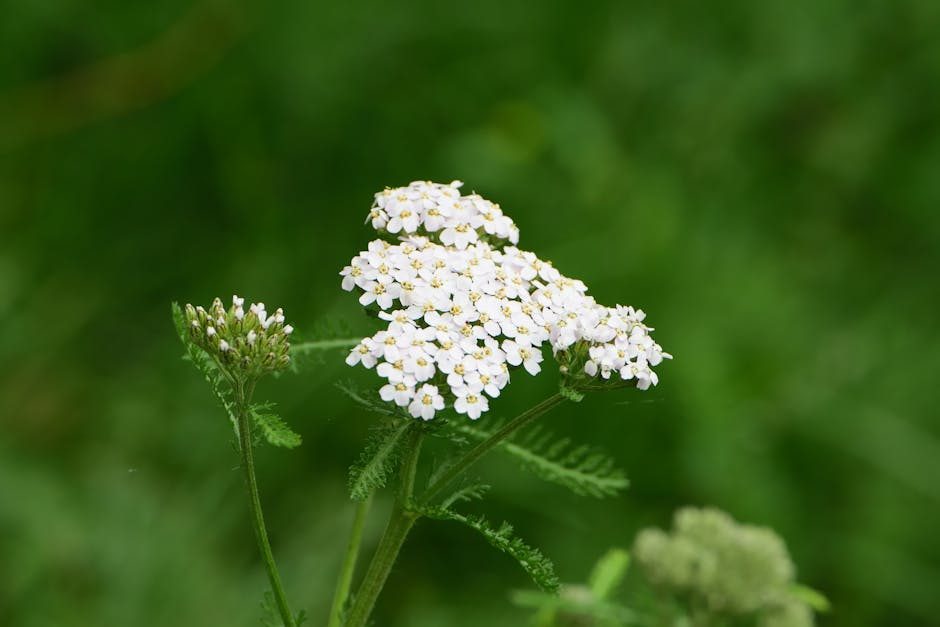
While often found in meadows and fields, yarrow’s adaptability means it can thrive in various environments. Look for its distinctive feathery leaves, arranged alternately along the stem. The flowers, clustered in a flat-topped corymb, are typically white but can range to pale pink. A key identifier is its aromatic scent when crushed. Be cautious of look-alikes like Queen Anne’s Lace, which lacks yarrow’s characteristic aroma and has a single, dark flower in the center of the umbel. Always cross-reference with reliable field guides before harvesting.
Inside Yarrow’s Pharmacy: The Active Compounds
Yarrow’s therapeutic power stems from a complex interplay of bioactive compounds:
- Achilleine: A potent hemostatic agent, crucial for stopping bleeding quickly. Think of it as nature’s instant bandage.
- Chamazulene: This volatile oil gives yarrow its anti-inflammatory punch, similar to the effects of some over-the-counter pain relievers.
- Flavonoids: These antioxidants protect cells from damage caused by free radicals, contributing to overall health and well-being.
- Tannins: These compounds act as astringents, tightening tissues and reducing inflammation.
These elements work in synergy, enhancing each other’s effects and providing a holistic approach to healing.
Yarrow in Action: Practical Applications for Today
Yarrow’s versatility makes it a valuable addition to any home apothecary:
- Wound Care: Speed up healing of cuts, scrapes, and minor burns with yarrow’s antiseptic and styptic properties. Imagine it as a natural alternative to antibiotic ointments.
- Inflammation Relief: Reduce swelling and pain associated with arthritis, eczema, and other inflammatory conditions. Think of it as a natural pain reliever.
- Digestive Support: Ease bloating, gas, and cramping with yarrow’s antispasmodic effects. It’s like a gentle massage for your digestive system.
- Fever Management: Promote sweating to help break a fever, a traditional use still relevant today.
- Menstrual Comfort: Alleviate menstrual cramps and regulate cycles with yarrow’s anti-inflammatory and antispasmodic properties.
Making a Yarrow Compress for Skin Irritations
For itchy skin, insect bites, or minor burns, a yarrow compress can provide soothing relief. Brew a strong yarrow tea (double the amount of yarrow). Let it cool slightly, then soak a clean cloth in the tea. Apply the cloth to the affected area for 15-20 minutes. Repeat several times a day as needed.
Yarrow Infused Oil for Muscle Soreness
Infuse dried yarrow flowers in a carrier oil like olive or grapeseed oil to create a soothing massage oil for sore muscles. Fill a clean jar with dried yarrow flowers, then cover with oil. Seal the jar and let it infuse in a warm, dark place for 4-6 weeks, shaking occasionally. Strain the oil and store it in a dark glass bottle. Massage onto sore muscles for relief.
Important Considerations Before Using Yarrow
While generally safe, be mindful of these precautions:

- Allergies: If you’re allergic to ragweed, marigolds, or chrysanthemums, you may also be allergic to yarrow. Start with a small test patch on your skin.
- Pregnancy and Breastfeeding: Avoid using yarrow during pregnancy or breastfeeding due to limited safety data.
- Sun Sensitivity: Yarrow can increase sensitivity to sunlight in some individuals. Apply sunscreen when using yarrow topically.
- Medication Interactions: Yarrow may interact with blood thinners and other medications. Consult your doctor or pharmacist before using yarrow if you’re taking any medications.
Always consult with a qualified healthcare professional before using yarrow, especially if you have underlying health conditions or are taking medications. This information is for educational purposes only and should not be considered medical advice. It is crucial to remember that natural remedies are not a substitute for professional medical care.
If you want a practical next step, you can also check out Heal your past, design your future.
If you want a practical next step, you can also check out Become an Ultimate Master of your life.


 ADVANCED LEVEL BIOLOGY, NEW CURRICULUM, SENIOR FIVEAdvanced Secondary,Biology
  Command Your Timeline: Heal the Past, Design Your FutureIntelligence,Skills Development
  SHAPTA MOCKS 2024
 Ultimate Me: Unlock Your Ultimate Potential & Energy HealingIntelligence,Skills Development
  NLSC: SENIOR THREE AGRICULTUREAgriculture,New Lower Secondary Curriculum,Ordinary Secondary
 What is ChatGPT?General
- Bridging the Digital Divide: Uganda’s Education Revolution Through Digital Literacy and Teacher TrainingGeneral
 Uganda’s Digital Leap: Transforming Primary Education Through TechnologyGeneral
- Uganda’s Education Renaissance: Combating Learning Loss and Empowering EducatorsGeneral
 The Art of the Subjective: Exploring the Nuances of Book ReviewingGeneral
 Crafting the Perfect Book Review: A Guide for Aspiring CriticsGeneral
 Unveiling the Layers: A Deep Dive into Book Reviewing Beyond Plot SummariesGeneral
 The Art of the Book Review: Beyond Summary, Towards Deeper ConnectionGeneral
 The Art of Crafting a Compelling Book Review: Beyond Summary and CritiqueGeneral
 Crafting Compelling Book Reviews: Beyond Summary, Towards InfluenceGeneral
- The Quintessential Watch Collection: A 30-Year Journey and Lessons for Ugandan LearnersGeneral
 KAKURU BENARDSample Activity of Integration on Forests, Forest resources and Forestry in Africa
- KAKURU BENARDSample Activity of Integration on Trade within and outside East Africa
 Babirye SandraO-LEVEL ENTREPRENUERSHIP,PETTY CASHBOOK ASSIGNMENT
- Babirye SandraO-LEVEL ENTREPRENUERSHIP,PETTY CASHBOOK ASSIGNMENT
- Babirye SandraO-LEVEL ENTREPRENUERSHIP,PETTY CASHBOOK ASSIGNMENT

0 responses on "Yarrow: Nature's Potent Wound Healer and More"