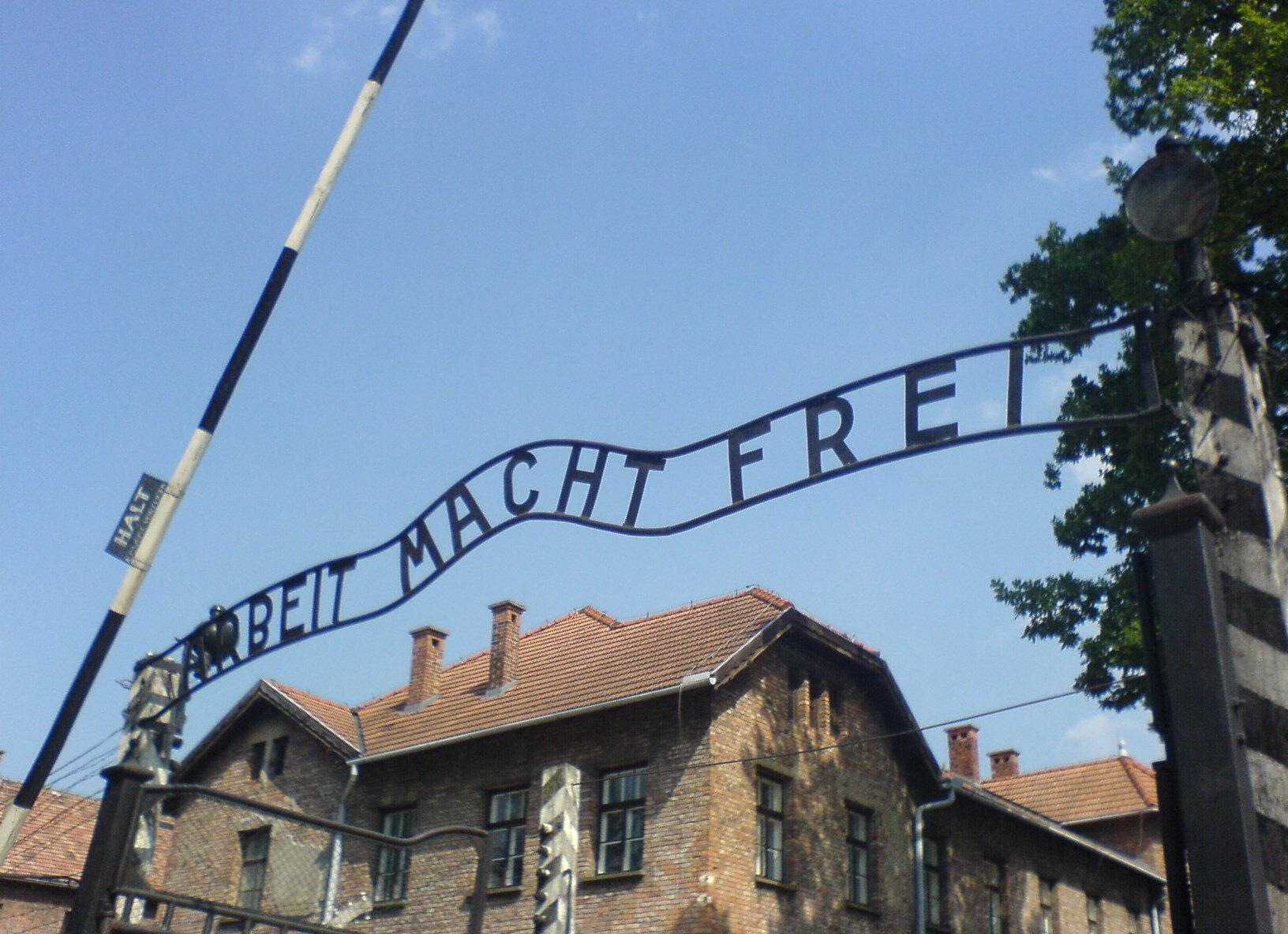
Viktor Frankl’s “Man’s Search for Meaning” is more than a book; it’s a testament to the indomitable human spirit. It delves into the profound question of how we discover purpose even when confronted by immense suffering. This work has deeply touched readers worldwide, offering comfort and direction as we navigate the complexities of life. But what are the central ideas of Frankl’s philosophy, and why does it remain so relevant today?
Before diving into the core ideas, let’s establish a foundation.
The book unfolds in two distinct sections. The first offers a stark portrayal of Frankl’s horrific experiences in Auschwitz and other concentration camps. He paints a vivid picture of the psychological journey prisoners underwent: the initial shock, the subsequent apathy, and eventually, for some, a feeling of liberation (though often marked by disappointment). Frankl’s observations are not merely anecdotal; they form the basis for his understanding of human nature under extreme duress. He notes that those who had a sense of purpose, something to look forward to, were more likely to survive.
Frankl identifies three distinct psychological stages experienced by prisoners:
The second part of “Man’s Search for Meaning” introduces logotherapy, Frankl’s school of psychotherapy. Logotherapy centers on the belief that the primary motivational force of an individual is to find a meaning in life. Frankl argues that even in the most dire circumstances, humans can discover meaning through:
Frankl emphasizes that meaning is not something to be invented but rather something to be discovered. It’s found in the unique opportunities and challenges that life presents. He believed that even suffering, when faced with the right attitude, can be a source of meaning and personal growth.
“Man’s Search for Meaning” remains profoundly relevant in today’s world because its message transcends historical context. In an age marked by uncertainty, anxiety, and a search for purpose, Frankl’s insights offer a powerful framework for navigating life’s challenges. His emphasis on personal responsibility, the power of choice, and the importance of finding meaning resonates deeply with individuals seeking direction and fulfillment.
Viktor Frankl’s “Man’s Search for Meaning” is a timeless masterpiece that continues to inspire and challenge readers. Its enduring appeal lies in its profound exploration of the human spirit and its unwavering belief in the power of meaning. By understanding Frankl’s experiences and embracing the principles of logotherapy, we can all embark on our own search for meaning and live more purposeful lives.
If you want a practical next step, you can also check out Heal your past, design your future.
If you want a practical next step, you can also check out Become an Ultimate Master of your life.
Uganda's Bold Leap into the Digital Age Imagine a classroom where textbooks are supplemented by…
Uganda Plugs Into the Digital Age: A Classroom Revolution Imagine Ugandan students learning about the…
Uganda's Education Transformation: From Pandemic Response to Long-Term Vision The COVID-19 pandemic presented unprecedented challenges…
The Nuances of Opinion: Rethinking Book Reviews We often think of book reviews as definitive…
Beyond the Basics: Mastering the Book Review In the sprawling world of literature, book reviews…
The Art of Book Reviewing: More Than Just a Summary Book reviews serve as vital…



Leave a Comment