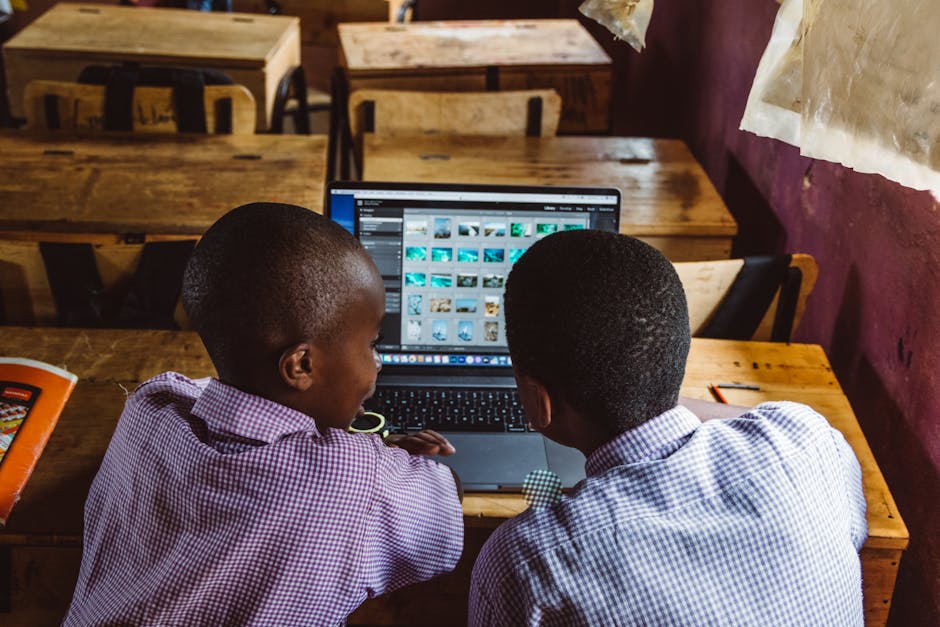
Kampala, Uganda – A technological revolution is quietly transforming Uganda’s education system, offering new hope and opportunities for students across the nation. This isn’t just about adding gadgets; it’s a strategic overhaul designed to equip young Ugandans with the digital skills necessary to thrive in a globalized world.
Imagine a classroom where students aren’t just passively absorbing information from textbooks, but actively engaging with interactive simulations, collaborating on projects with peers across the country, and accessing a world of knowledge at their fingertips. This is the vision driving Uganda’s push for digital education.
One inspiring example is the ‘Coding in Schools’ initiative, which introduces basic programming concepts to primary school students. By learning to code, these students are not only developing valuable technical skills but also fostering critical thinking, problem-solving, and creativity. Another is the implementation of solar-powered computer labs in rural schools, overcoming electricity limitations and providing access to digital resources for previously underserved communities.
Uganda’s commitment to digital education is backed by tangible investments and strategic initiatives. These include:
The impact of these initiatives is already being felt in classrooms across Uganda. Consider the story of Sarah, a student from a rural village who, thanks to a new computer lab, is now learning to design websites and hopes to start her own business. Or the story of Mr. Okello, a teacher who, after receiving digital literacy training, is now using online resources to create more engaging and interactive lessons for his students.
These are just a few examples of how technology is transforming education in Uganda, empowering students and teachers alike to reach their full potential.
The benefits of integrating technology into education are far-reaching. Some key advantages include:
Here are some concrete examples of how digital tools are being used in Ugandan classrooms:
| Digital Tool | How It’s Used | Impact |
|---|---|---|
| Tablets with Pre-loaded Educational Content | Providing access to offline learning resources in areas with limited internet access | Improved learning outcomes, increased student engagement |
| Interactive Simulations | Allowing students to explore complex scientific concepts in a hands-on way | Deeper understanding, improved retention |
| Online Collaboration Tools | Connecting students from different schools to work on joint projects | Development of collaboration skills, cross-cultural understanding |
While challenges remain, the future of digital education in Uganda is bright. By continuing to invest in infrastructure, training, and innovative solutions, Uganda can create a truly transformative education system that empowers all students to succeed in the 21st century and beyond. The focus must remain on equitable access, ensuring that every child, regardless of their background or location, has the opportunity to benefit from the power of technology.
If you want a practical next step, you can also check out Heal your past, design your future.
If you want a practical next step, you can also check out Become an Ultimate Master of your life.
More Than a Hashtag: The Emotional Engine of BookTokIt’s a familiar scene: while scrolling through…
The Blueprint of a BookTok SensationIt often begins with a raw, emotional display: a creator,…
The Rise of the Algorithmic Bookshelf Imagine a reader, face lit by a smartphone, clutching…
Anatomy of an Industry Transformation It began with an emotional video. A reader, visibly heartbroken…
Deconstructing a Viral Sensation: The BookTok EcosystemIt often begins with a powerful, candid reaction. A…
What is the BookTok Effect?The atmosphere of your local bookstore has changed. Where you once…



Leave a Comment