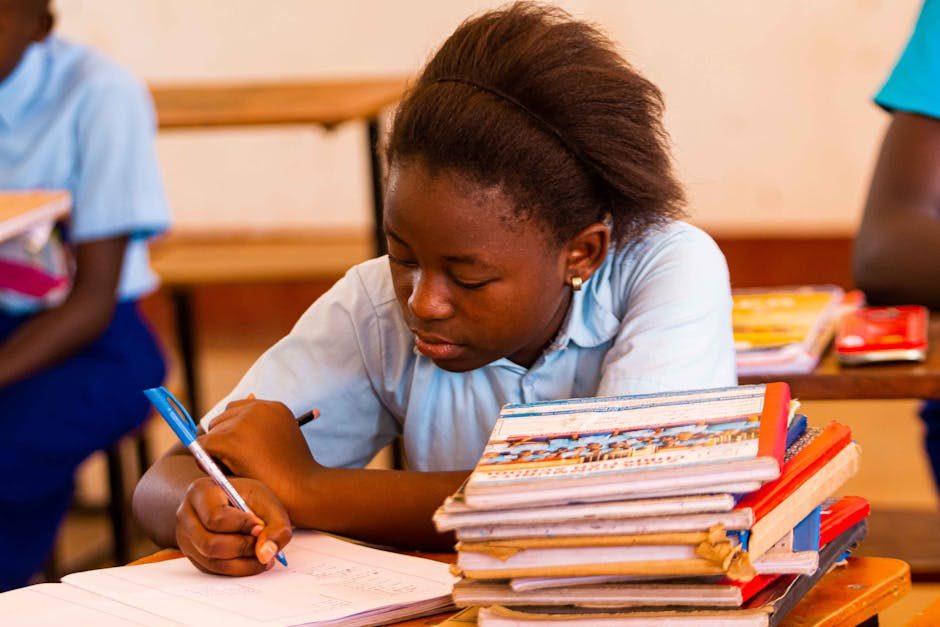
Uganda is undergoing a significant shift in its educational philosophy. The traditional, exam-centric model is evolving towards a more comprehensive approach that prioritizes the development of well-rounded individuals. This new vision recognizes that success in the 21st century demands more than just academic prowess; it requires creativity, adaptability, and strong interpersonal skills. The focus is now on cultivating these essential qualities alongside academic knowledge.
Historically, the education system has primarily focused on academic achievement, often neglecting crucial aspects of a student’s development, such as emotional intelligence, physical well-being, and social skills. A holistic education seeks to address this imbalance by integrating these elements into the learning process. It acknowledges that students flourish when their intellectual, emotional, social, and physical needs are met.
For instance, consider a student struggling with math. Instead of solely focusing on drills and rote memorization, a holistic approach might explore the student’s learning style, address any underlying anxieties, and incorporate real-world examples to make the subject more engaging. This personalized approach fosters a deeper understanding and a more positive attitude towards learning.
Extracurricular activities play a vital role in this transformation. Sports, arts, and community service are no longer viewed as mere distractions but as valuable opportunities for students to develop leadership skills, teamwork abilities, and a sense of civic responsibility. A student participating in a debate club, for example, learns to articulate their thoughts effectively, listen to opposing viewpoints, and collaborate with others to reach a consensus.
Successfully implementing holistic education requires a concerted effort involving curriculum redesign, teacher empowerment, and community involvement. Key strategies include:
Traditional curricula often feel disconnected from students’ lives and future aspirations. By integrating real-world applications, students can see the relevance of their studies and develop a deeper understanding of the subject matter. This can be achieved through project-based learning, simulations, and case studies. For example, instead of simply memorizing historical dates, students could research the impact of a specific event on their community and present their findings in a creative format.
In a holistic education system, teachers act as facilitators rather than lecturers. They guide students through the learning process, encouraging them to take ownership of their education. This requires teachers to be trained in techniques that promote student engagement, critical thinking, and collaboration. They need to be skilled in asking open-ended questions, encouraging peer teaching, and providing constructive feedback. Imagine a teacher who, instead of lecturing about climate change, facilitates a student-led debate on potential solutions.
Technology can be a powerful tool for enhancing holistic education by providing access to a vast array of resources, facilitating collaboration, and personalizing learning experiences. Online learning platforms, virtual field trips, and interactive simulations can expand students’ horizons and make learning more engaging. For instance, students could use virtual reality to explore ancient civilizations or collaborate on a global project using online communication tools.
However, it’s essential to ensure equitable access to technology and equip students with the digital literacy skills they need to navigate the online world safely and responsibly. Technology should be used as a means to enhance holistic learning, not as a substitute for meaningful interactions and hands-on experiences. The goal is to empower students to use technology as a tool for learning and problem-solving.
Evaluating the effectiveness of holistic education requires a shift away from solely relying on exam scores. While academic performance remains important, it’s crucial to also assess students’ growth in areas such as critical thinking, problem-solving, communication, and collaboration. This can be achieved through portfolios, projects, presentations, and performance-based assessments. Instead of just focusing on test scores, educators might assess a student’s ability to work effectively in a team, solve a complex problem, or communicate their ideas clearly.
A comprehensive assessment framework should incorporate a variety of methods to evaluate students’ overall development. This could include self-assessments, peer evaluations, teacher observations, and community feedback. The goal is to provide a more complete picture of students’ strengths, areas for growth, and overall well-being. This holistic approach to assessment provides valuable insights into a student’s development and informs future learning experiences.
By embracing holistic learning, Uganda is investing in its future, creating a generation of well-rounded, adaptable, and successful individuals who are equipped to thrive in a rapidly changing world. This educational transformation is not just about improving test scores; it’s about nurturing the potential of every student to become a responsible, engaged, and contributing member of society.
If you want a practical next step, you can also check out Heal your past, design your future.
If you want a practical next step, you can also check out Become an Ultimate Master of your life.
Uganda's Bold Leap into the Digital Age Imagine a classroom where textbooks are supplemented by…
Uganda Plugs Into the Digital Age: A Classroom Revolution Imagine Ugandan students learning about the…
Uganda's Education Transformation: From Pandemic Response to Long-Term Vision The COVID-19 pandemic presented unprecedented challenges…
The Nuances of Opinion: Rethinking Book Reviews We often think of book reviews as definitive…
Beyond the Basics: Mastering the Book Review In the sprawling world of literature, book reviews…
The Art of Book Reviewing: More Than Just a Summary Book reviews serve as vital…


Leave a Comment