Official Name: Carl Gustav Jung
Lifespan: July 26, 1875 – June 6, 1961
Origin: Swiss
Core Disciplines: Psychiatry, Psychology, Analytical Psychology
Global Impact: Carl Jung, a towering figure in 20th-century thought, was a Swiss psychiatrist and psychoanalyst who founded analytical psychology. His ideas have permeated diverse fields, including psychiatry, philosophy, anthropology, archaeology, literature, and religious studies. Jung’s concepts, such as the collective unconscious, archetypes, and individuation, offer crucial frameworks for understanding the human psyche and have profoundly shaped modern thought. His explorations of dreams, symbolism, and mythology provide valuable insights into the complexities of human existence.
Carl Gustav Jung was born in Kesswil, Switzerland, to Paul Achilles Jung, a pastor, and Emilie Preiswerk Jung. His family boasted a strong tradition of religious and academic involvement, which deeply influenced his later explorations of religion and spirituality.
Jung’s childhood was marked by a preference for solitude and vivid dreams and visions. He often felt disconnected from his peers, finding solace in reading and introspection. A significant experience was a childhood dream that he later interpreted as a symbolic representation of the unconscious mind. This early experience sparked his lifelong fascination with the inner world.
Jung initially considered studying archaeology but ultimately chose medicine, specializing in psychiatry. He studied at the University of Basel, where he became deeply interested in the work of Richard von Krafft-Ebing and Albert Moll. His medical studies provided a solid foundation for his later psychological theories.
In 1900, Jung began working at the Burghölzli Mental Hospital in Zurich under Eugen Bleuler, a pioneer in the study of schizophrenia. This experience exposed him to the complexities of mental illness and further fueled his interest in the unconscious mind. He quickly rose through the ranks, becoming a senior physician and lecturer at the University of Zurich.
A pivotal moment in Jung’s career was his association with Sigmund Freud, the founder of psychoanalysis. Jung was initially a strong supporter of Freud’s theories, and the two men developed a close friendship and professional relationship. Jung saw Freud as a mentor and a revolutionary thinker.
However, as Jung developed his own ideas, he began to diverge from Freud’s theories. He disagreed with Freud’s emphasis on sexuality as the primary motivator of human behavior and his interpretation of the unconscious as solely a repository of repressed desires. These differences eventually led to a painful and irreconcilable break between the two men.
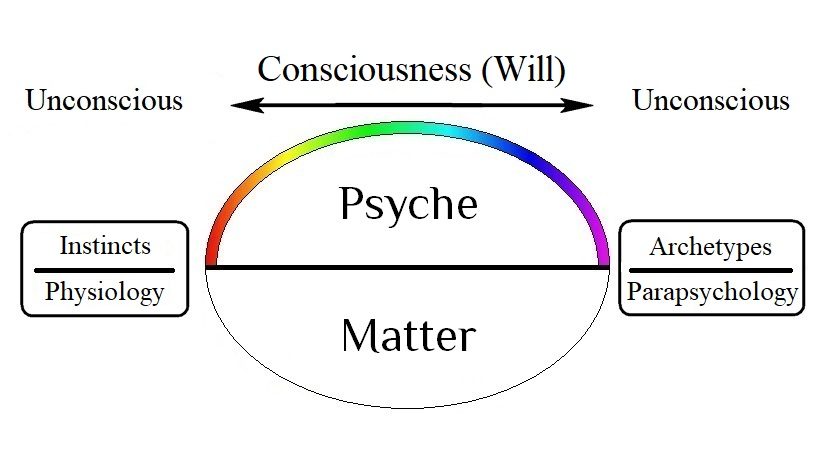
Jung’s analytical psychology is characterized by several key concepts that distinguish it from Freudian psychoanalysis:
After his break with Freud, Jung embarked on a period of intense self-exploration and reflection. He traveled extensively, studying different cultures and mythologies. He continued to develop his theories and wrote extensively on a wide range of topics, including psychology, religion, mythology, and alchemy.
Carl Jung’s legacy extends far beyond the field of psychology. His ideas have influenced art, literature, film, and popular culture. He remains a major figure in the history of psychology and a source of inspiration for those seeking to understand the complexities of the human psyche.
If you want a practical next step, you can also check out Heal your past, design your future.
If you want a practical next step, you can also check out Become an Ultimate Master of your life.
While pharmaceutical companies invest billions developing synthetic antivirals, a humble wild shrub has been delivering…
Hidden along fence lines, riverbanks, and the forgotten edges of parks and woodland paths grows…
Most people treat Sunday evening as their productivity launchpad — a time to map out…
Long before pharmaceutical companies existed, healers across Asia were already prescribing a bright orange root…
Long before pharmaceutical laboratories existed, traditional healers across Asia were prescribing a bright yellow root…
The Rise of No-Cost AI Voice GenerationA quiet revolution has taken place in audio production.…



Leave a Comment