
Carl Jung: A Biographical Overview
Official Name: Carl Gustav Jung
Lifespan: July 26, 1875 – June 6, 1961
Origin: Swiss
Core Disciplines: Psychiatry, Psychology, Analytical Psychology

Global Impact: Carl Jung, a towering figure in 20th-century thought, was a Swiss psychiatrist and psychoanalyst who founded analytical psychology. His ideas have permeated diverse fields, including psychiatry, philosophy, anthropology, archaeology, literature, and religious studies. Jung’s concepts, such as the collective unconscious, archetypes, and individuation, offer crucial frameworks for understanding the human psyche and have profoundly shaped modern thought. His explorations of dreams, symbolism, and mythology provide valuable insights into the complexities of human existence.
The Formative Years: Early Life and Influences
Carl Gustav Jung was born in Kesswil, Switzerland, to Paul Achilles Jung, a pastor, and Emilie Preiswerk Jung. His family boasted a strong tradition of religious and academic involvement, which deeply influenced his later explorations of religion and spirituality.
Jung’s childhood was marked by a preference for solitude and vivid dreams and visions. He often felt disconnected from his peers, finding solace in reading and introspection. A significant experience was a childhood dream that he later interpreted as a symbolic representation of the unconscious mind. This early experience sparked his lifelong fascination with the inner world.
Education and Early Career
Jung initially considered studying archaeology but ultimately chose medicine, specializing in psychiatry. He studied at the University of Basel, where he became deeply interested in the work of Richard von Krafft-Ebing and Albert Moll. His medical studies provided a solid foundation for his later psychological theories.

In 1900, Jung began working at the Burghölzli Mental Hospital in Zurich under Eugen Bleuler, a pioneer in the study of schizophrenia. This experience exposed him to the complexities of mental illness and further fueled his interest in the unconscious mind. He quickly rose through the ranks, becoming a senior physician and lecturer at the University of Zurich.
The Relationship with Sigmund Freud
A pivotal moment in Jung’s career was his association with Sigmund Freud, the founder of psychoanalysis. Jung was initially a strong supporter of Freud’s theories, and the two men developed a close friendship and professional relationship. Jung saw Freud as a mentor and a revolutionary thinker.
However, as Jung developed his own ideas, he began to diverge from Freud’s theories. He disagreed with Freud’s emphasis on sexuality as the primary motivator of human behavior and his interpretation of the unconscious as solely a repository of repressed desires. These differences eventually led to a painful and irreconcilable break between the two men.
Key Differences Between Jung and Freud
- The Nature of the Unconscious: Freud viewed the unconscious as primarily a storehouse of repressed memories and desires, particularly those related to sexuality. Jung, on the other hand, proposed the concept of the collective unconscious, a universal and inherited layer of the unconscious shared by all humanity.
- The Role of Sexuality: Freud emphasized the importance of sexuality in human development and motivation. Jung, while acknowledging the importance of sexuality, believed that other factors, such as spirituality and the search for meaning, were equally important.
- The Interpretation of Dreams: Freud interpreted dreams as disguised expressions of repressed desires. Jung saw dreams as symbolic messages from the unconscious, offering guidance and insight into the individual’s psychological state.
Core Concepts of Analytical Psychology
Jung’s analytical psychology is characterized by several key concepts that distinguish it from Freudian psychoanalysis:
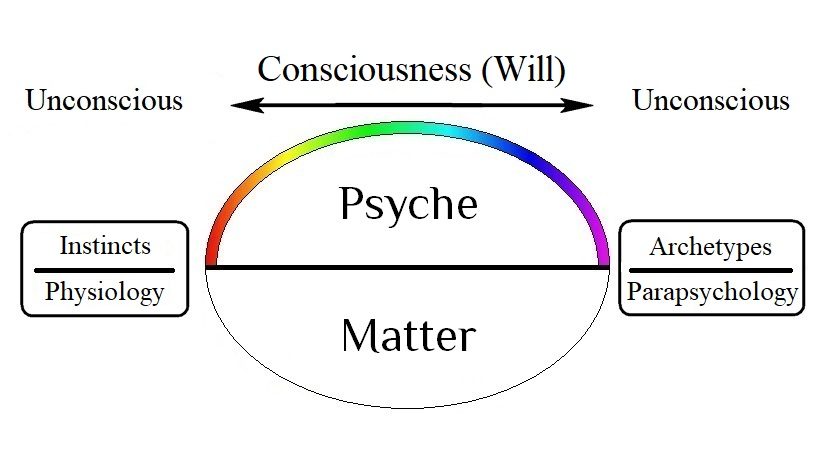
- The Collective Unconscious: A universal and inherited layer of the unconscious containing archetypes, which are universal patterns of behavior and imagery.
- Archetypes: Universal, primordial images and patterns of behavior that reside in the collective unconscious. Examples include the Hero, the Mother, the Shadow, and the Anima/Animus.
- Individuation: The process of psychological integration, in which the individual becomes aware of and integrates the conscious and unconscious aspects of their personality.
- The Persona: The social mask that individuals present to the world, representing their conscious identity and role in society.
- The Shadow: The unconscious aspect of the personality that contains repressed or denied aspects of the self, often perceived as negative or undesirable.
- The Anima/Animus: The unconscious feminine side of a man (Anima) and the unconscious masculine side of a woman (Animus).
Later Life and Legacy
After his break with Freud, Jung embarked on a period of intense self-exploration and reflection. He traveled extensively, studying different cultures and mythologies. He continued to develop his theories and wrote extensively on a wide range of topics, including psychology, religion, mythology, and alchemy.
Carl Jung’s legacy extends far beyond the field of psychology. His ideas have influenced art, literature, film, and popular culture. He remains a major figure in the history of psychology and a source of inspiration for those seeking to understand the complexities of the human psyche.
If you want a practical next step, you can also check out Heal your past, design your future.
If you want a practical next step, you can also check out Become an Ultimate Master of your life.


 ADVANCED LEVEL BIOLOGY, NEW CURRICULUM, SENIOR FIVEAdvanced Secondary,Biology
  Command Your Timeline: Heal the Past, Design Your FutureIntelligence,Skills Development
  SHAPTA MOCKS 2024
 Ultimate Me: Unlock Your Ultimate Potential & Energy HealingIntelligence,Skills Development
  NLSC: SENIOR THREE AGRICULTUREAgriculture,New Lower Secondary Curriculum,Ordinary Secondary
 What is ChatGPT?General
 CapCut AI Ad Test: Is It Fast or Just Flashy?General
 Turmeric: The Golden Herb That Heals From the Inside OutGeneral
 Turmeric: The Golden Herb That Heals From the Inside OutGeneral
 Leadership Skills: The Complete Guide to Leading with ImpactGeneral
 Elderberry: The Ancient Immune Powerhouse You Need NowGeneral
 Elderberry: The Ancient Immune Herb That Science Now ConfirmsGeneral
 Promotions & Team Growth: How to Own Your Career TrajectoryGeneral
 Nikki Dutta: Open Channels to Spirit Through Mediumship MasteryGeneral
 Uganda School Enrollment Crisis 2026: Reforms Failing MillionsGeneral
 Uganda Education Funding Crisis: When Aid Cuts Leave Children BehindGeneral
 KAKURU BENARDSample Activity of Integration on Forests, Forest resources and Forestry in Africa
- KAKURU BENARDSample Activity of Integration on Trade within and outside East Africa
 Babirye SandraO-LEVEL ENTREPRENUERSHIP,PETTY CASHBOOK ASSIGNMENT
- Babirye SandraO-LEVEL ENTREPRENUERSHIP,PETTY CASHBOOK ASSIGNMENT
- Babirye SandraO-LEVEL ENTREPRENUERSHIP,PETTY CASHBOOK ASSIGNMENT
0 responses on "Carl Jung — Life, Ideas, Teachings & Global Influence"