Full Name: Carl Gustav Jung
Lifespan: 1875–1961
Origin: Swiss
Areas of Focus: Psychiatry, psychology, philosophy, and spirituality
Global Impact: Carl Jung, a groundbreaking figure in psychiatry, established analytical psychology. His influential work has left an indelible mark on psychology, psychiatry, anthropology, literature, and religious studies. Jung’s innovative concepts, including the collective unconscious, archetypes, and the process of individuation, offer frameworks for exploring the human psyche and continue to resonate globally.
Born in 1875 in Kesswil, Switzerland, Carl Gustav Jung’s early life was shaped by his father, a pastor in the Swiss Reformed Church, and his mother, who hailed from a family steeped in mysticism. A sense of solitude and introspection characterized Jung’s upbringing, fostering a vibrant inner world. He exhibited a keen interest in dreams, visions, and symbolic representation from a young age.
Jung’s formal education began with a classical foundation, initially leading him to contemplate archaeology. However, he ultimately pursued medicine, specializing in psychiatry. At the University of Basel, he encountered the works of influential philosophers like Kant and Nietzsche. It was during his medical studies that Jung developed a profound fascination with the unconscious mind.
A formative experience that significantly influenced Jung’s perspective was his work at the Burghölzli Psychiatric Clinic in Zurich under the guidance of Eugen Bleuler. This experience exposed him to the realities of mental illness and the complexities of the human psyche.
Jung’s analytical psychology diverges from Freudian psychoanalysis in several key aspects. While Freud emphasized the role of sexual drives, Jung broadened the scope of the unconscious to include a collective dimension. Some of his most influential concepts include:
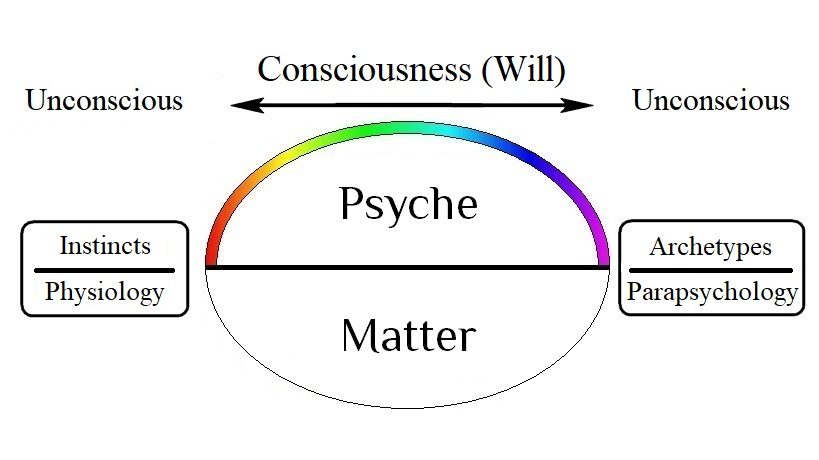
The concept of the collective unconscious is central to Jungian psychology. It suggests that we are all born with a shared inheritance of universal experiences, which manifest as archetypes. These archetypes influence our thoughts, feelings, and behaviors, shaping our understanding of the world and ourselves.
Individuation is the process of becoming a whole and integrated individual. It involves confronting and integrating the shadow, the unconscious aspects of the personality that contain repressed or denied qualities. Through individuation, individuals can achieve greater self-awareness, authenticity, and psychological well-being.
Jung’s early career was significantly influenced by Sigmund Freud, the founder of psychoanalysis. The two men shared a close intellectual and personal relationship, with Jung initially considered Freud’s protégé and heir apparent. However, their views gradually diverged, leading to a profound split that marked a turning point in the history of psychology.
The core of their disagreement centered on the nature of the unconscious and the role of sexuality. Jung’s broader conception of the unconscious, encompassing the collective unconscious and archetypes, clashed with Freud’s emphasis on sexual drives. This ultimately led to a permanent rupture in their relationship and the development of Jung’s own distinct school of analytical psychology.
In his later years, Jung continued to develop and refine his theories, exploring the connections between psychology, religion, and mythology. He traveled extensively, studying different cultures and their symbolic systems. Jung’s work has had a lasting impact on a wide range of fields, including:
Carl Jung’s legacy continues to inspire and challenge us to explore the depths of the human psyche and to embrace the journey of individuation.
If you want a practical next step, you can also check out Heal your past, design your future.
If you want a practical next step, you can also check out Become an Ultimate Master of your life.
While pharmaceutical companies invest billions developing synthetic antivirals, a humble wild shrub has been delivering…
Hidden along fence lines, riverbanks, and the forgotten edges of parks and woodland paths grows…
Most people treat Sunday evening as their productivity launchpad — a time to map out…
Long before pharmaceutical companies existed, healers across Asia were already prescribing a bright orange root…
Long before pharmaceutical laboratories existed, traditional healers across Asia were prescribing a bright yellow root…
The Rise of No-Cost AI Voice GenerationA quiet revolution has taken place in audio production.…



Leave a Comment