Official Name: Carl Gustav Jung
Lifespan: 1875–1961
Origin: Swiss
Core Disciplines: Psychiatry, psychology, and analytical psychology.
Global Importance: Carl Jung, a Swiss psychiatrist and the founder of analytical psychology, left an enduring mark that extends far beyond the realm of psychiatry. His theories have profoundly influenced diverse fields, including philosophy, anthropology, archaeology, literary criticism, and religious studies. Jung’s groundbreaking concepts—such as the collective unconscious, archetypes, and the process of individuation—are now essential tools for understanding the complexities of the human psyche and interpreting a wide range of cultural expressions.
Family History: Born in Kesswil, Switzerland, Carl Jung was the son of Paul Achilles Jung, a pastor, and Emilie Preiswerk Jung. The Jung family possessed a long standing tradition of both spiritual engagement and intellectual endeavor. His grandfather, also named Carl Jung, held positions as both a physician and the rector of the University of Basel. This family background fostered in Jung a deep-seated intellectual curiosity and a profound interest in spiritual matters.
Education and Influences: Jung’s academic journey began with the study of medicine at the University of Basel, where he discovered a passion for psychiatry. He subsequently gained practical experience at the Burghölzli psychiatric hospital in Zurich, working under the guidance of Eugen Bleuler, a prominent figure in psychiatry known for coining the term “schizophrenia.” Bleuler served as a mentor to Jung, supporting his research into psychological phenomena. Jung’s own intense encounters with dreams and visions also proved to be pivotal, prompting him to delve into the uncharted territories of the unconscious mind.
Jung’s work diverged from Freudian psychoanalysis, leading him to develop his own distinct school of thought: analytical psychology. This approach emphasized the importance of the individual’s unique journey towards wholeness, a process Jung termed “individuation.”
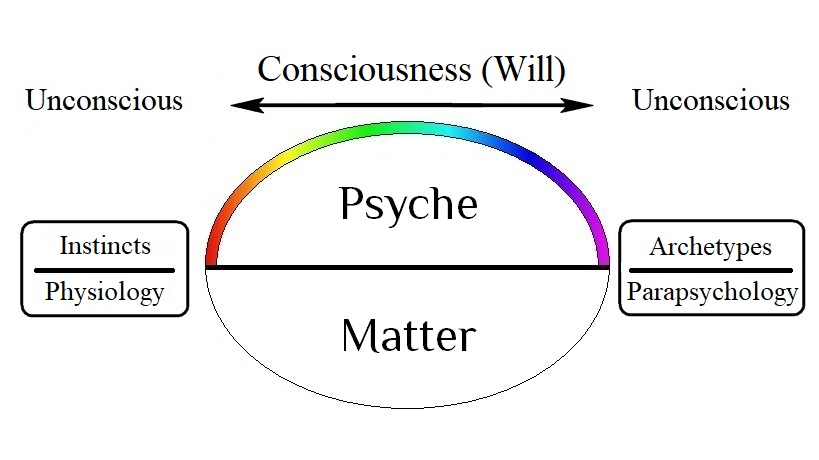
A central concept in Jungian psychology is the collective unconscious, a universal layer of the human psyche containing inherited predispositions to experience and understand the world in certain ways. This shared reservoir of human experience manifests in archetypes, universal patterns of behavior and imagery.
Archetypes are recurring patterns of behavior, imagery, and symbolism found across cultures and throughout history. Examples include the Mother, the Hero, the Shadow, and the Anima/Animus. These archetypes influence our perceptions, motivations, and relationships.
Carl Jung’s influence extends far beyond the field of psychology. His ideas have shaped our understanding of mythology, religion, art, and literature. His work continues to inspire individuals seeking personal growth and a deeper understanding of the human condition.
Jungian concepts have been widely adopted in literary criticism and art interpretation. The exploration of archetypes, the unconscious, and the process of individuation are frequently found in both classical and contemporary works.
Jung’s emphasis on the importance of personal experience and the exploration of the unconscious has resonated with many individuals seeking spiritual meaning outside of traditional religious frameworks.
To delve deeper into the world of Carl Jung, consider exploring his major works, such as “Psychological Types,” “The Archetypes and the Collective Unconscious,” and “Memories, Dreams, Reflections.”
If you want a practical next step, you can also check out Heal your past, design your future.
If you want a practical next step, you can also check out Become an Ultimate Master of your life.
Long before pharmaceutical companies began synthesizing anti-inflammatory drugs, healers across Asia were grinding a humble…
Long before clinical trials and peer-reviewed journals existed, healers across South Asia were grinding turmeric…
You are not lazy. You are not careless. You may simply be a victim of…
Most people assume that the path to a better life runs through more effort, more…
Biology is often misunderstood as a subject that rewards only memorisation. In reality, Uganda Certificate…
Chemistry sits at the intersection of memory, logic, and practical skill — yet thousands of…



Leave a Comment