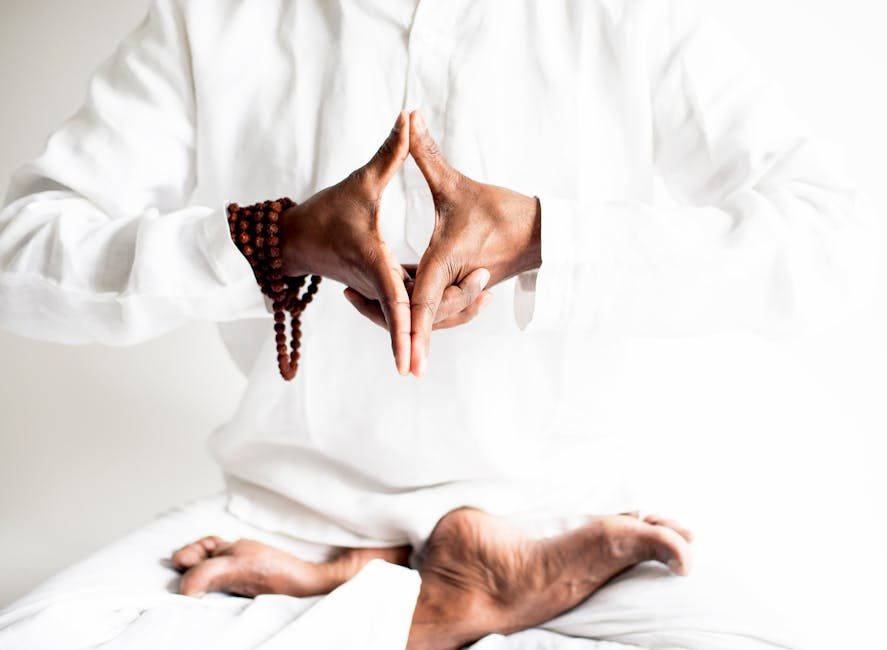
We often strive for perfect calm, but what if our personal growth actually lies within the very chaos we resist? As Gaia Chinniah discussed on Next Level Soul, our understanding of chaos, anxiety, and feeling overwhelmed needs re-evaluation. Rather than seeing these experiences solely as negative, perhaps they are the sparks that ignite profound change within us. This alternative viewpoint offers a fresh way to interpret the turmoil of today’s world and our own internal battles.
Chinniah explores why life today feels so intense. The relentless influx of data, the societal demands for success, and the ever-present feeling of insecurity all amplify our inner chaos. We’re constantly looking for external fixes for internal unrest, seeking tranquility in a world that never slows down. But what if the key isn’t to run from the chaos, but to decipher its meaning?
Gaia proposes that our internal turbulence isn’t a flaw, but a signal of a more profound awakening. It’s an invitation to re-examine how we relate to anxiety, ambiguity, and intense emotions. This viewpoint inspires us to shift away from needing external approval and towards a firm path to inner peace, starting from within ourselves.
The discussion emphasizes how breakdowns can lead to breakthroughs. Instead of perceiving moments of crisis as defeats, Chinniah urges us to recognize them as chances for personal evolution and self-realization. These difficult times can compel us to consider what truly matters, discard old patterns, and construct a more authentic existence. By embracing these moments of perceived failure, we can uncover our own resilience and capacity for growth.
While embracing chaos sounds abstract, Chinniah offers practical tools for navigating these turbulent waters. These include mindfulness practices to observe our thoughts and emotions without judgment, self-compassion to treat ourselves with kindness during difficult times, and acceptance to acknowledge the reality of our experiences without resistance. These tools can help us cultivate a sense of inner stability even when the external world feels chaotic.
The conversation also questions societal norms that perpetuate the fear of chaos. Our culture often rewards productivity, efficiency, and control, leaving little room for vulnerability, uncertainty, or emotional expression. By challenging these norms, we can create a more supportive environment for ourselves and others, one that acknowledges the inherent messiness of being human. This shift in perspective can lead to a greater sense of collective well-being and resilience.
Beyond philosophical discussions, there’s growing scientific evidence supporting the idea that embracing discomfort can lead to improved mental and physical health. Studies in neuroplasticity show that challenging our brains with novel experiences, even uncomfortable ones, can strengthen neural pathways and enhance cognitive flexibility. This means that facing chaos can actually make us more adaptable and resilient in the long run.
While chronic stress is detrimental, acute stress, experienced in manageable doses, can be beneficial. This concept, known as hormesis, suggests that exposure to small amounts of stressors can trigger adaptive responses that make us stronger. Embracing chaos, in a controlled and mindful way, can be seen as a form of hormetic stress, promoting growth and resilience.
Imagine a garden that isn’t perfectly manicured but thrives with a diverse array of plants, some even considered weeds. This “chaotic garden” mirrors the inner landscape we can cultivate. By allowing space for unexpected growth, embracing imperfections, and accepting the natural cycles of life and death, we can create an ecosystem that fosters both beauty and resilience. This approach extends beyond our personal lives, influencing how we approach challenges in our communities and the world at large.
The pursuit of perfection often leads to anxiety and dissatisfaction. Embracing imperfection, on the other hand, frees us to focus on growth and progress rather than unattainable ideals. This shift in perspective allows us to appreciate the beauty in the imperfect, the lessons in the failures, and the strength in the vulnerabilities. It’s about recognizing that chaos is not the opposite of order, but rather a necessary component of it.
If you want a practical next step, you can also check out Heal your past, design your future.
If you want a practical next step, you can also check out Become an Ultimate Master of your life.
Uganda's Bold Leap into the Digital Age Imagine a classroom where textbooks are supplemented by…
Uganda Plugs Into the Digital Age: A Classroom Revolution Imagine Ugandan students learning about the…
Uganda's Education Transformation: From Pandemic Response to Long-Term Vision The COVID-19 pandemic presented unprecedented challenges…
The Nuances of Opinion: Rethinking Book Reviews We often think of book reviews as definitive…
Beyond the Basics: Mastering the Book Review In the sprawling world of literature, book reviews…
The Art of Book Reviewing: More Than Just a Summary Book reviews serve as vital…



Leave a Comment