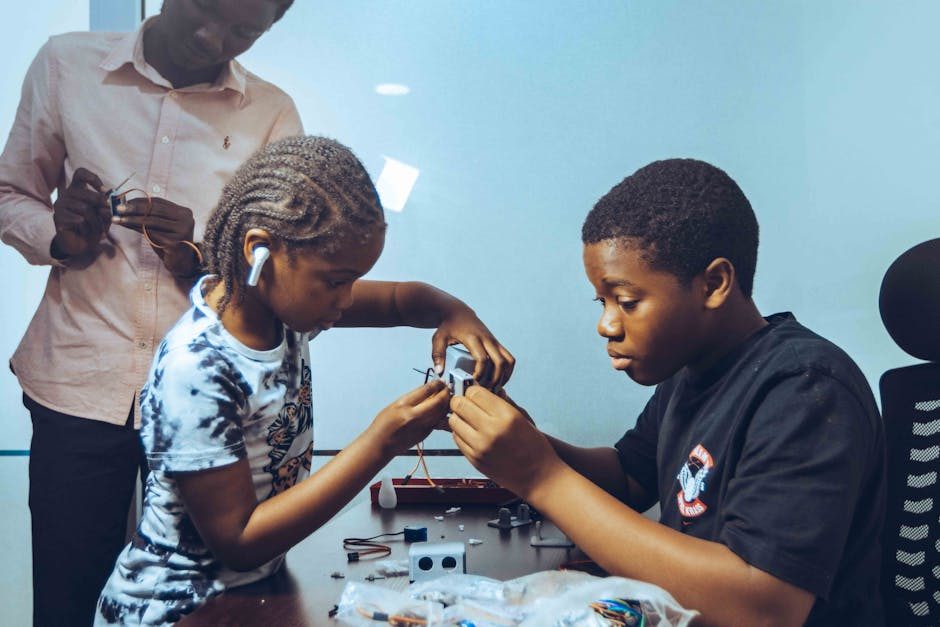
Kampala, Uganda – Uganda is embarking on an ambitious journey to revolutionize its education system, placing Science, Technology, Engineering, and Mathematics (STEM) at the forefront. This strategic shift aims to cultivate a generation of innovators and problem-solvers equipped to thrive in the 21st-century economy. The focus is shifting from traditional rote learning to hands-on experiences that foster critical thinking and practical skills.
Historically, Ugandan students have struggled to connect theoretical knowledge with real-world applications. The Ministry of Education and Sports is actively addressing this issue through initiatives like STEM bootcamps and hackathons, where students tackle real-world challenges using their STEM knowledge. For instance, students in rural areas have developed innovative solutions for water purification using locally sourced materials and engineering principles. These initiatives emphasize experiential learning, encouraging students to actively participate in their education and become creators rather than passive recipients of information.
Technology plays a pivotal role in Uganda’s STEM revolution. The government is investing in providing schools with laptops, tablets, and reliable internet connectivity. This allows students to access online learning platforms, virtual labs, and collaborative project tools. For example, students are using online simulations to explore complex scientific concepts, such as the human circulatory system or the principles of flight, in an engaging and interactive way.
Several key initiatives are driving Uganda’s STEM transformation, all designed to equip students with the skills and knowledge necessary to excel in a rapidly evolving world. These efforts range from comprehensive teacher training programs to innovative curriculum reforms, creating a more dynamic and relevant STEM education landscape.
Recognizing the vital role of teachers, the Ministry of Education is prioritizing STEM-focused teacher training programs. These programs provide educators with the latest pedagogical techniques and subject matter expertise, enabling them to deliver engaging and effective lessons. For instance, teachers are being trained to incorporate design thinking principles into their lessons, encouraging students to identify problems, brainstorm solutions, and prototype their ideas.
The national curriculum is undergoing a comprehensive overhaul to align with the demands of the modern world. The revised curriculum emphasizes critical thinking, problem-solving, and creativity, moving away from rote memorization. It incorporates real-world scenarios and case studies, allowing students to apply their knowledge to practical situations. For example, students might analyze the environmental impact of a local industry and propose sustainable solutions using their knowledge of chemistry, biology, and engineering. Digital literacy skills are integrated throughout the curriculum, ensuring that students are proficient in using technology for learning and problem-solving.
Addressing gender disparities in STEM fields is a critical priority. Initiatives are in place to encourage girls to pursue STEM subjects and careers. These include mentorship programs, scholarships, and awareness campaigns designed to challenge stereotypes and promote female role models in science and technology. For example, organizations are hosting STEM camps specifically for girls, providing them with hands-on experiences and opportunities to interact with female scientists and engineers. The goal is to create a more inclusive and equitable STEM education system that empowers all students to reach their full potential.
Despite the progress, challenges remain. Limited resources, inadequate infrastructure, and a shortage of qualified STEM teachers pose significant obstacles. However, these challenges also present opportunities for innovation and collaboration. Partnerships with international organizations, private sector involvement, and community engagement are crucial for overcoming these hurdles and realizing the full potential of Uganda’s STEM education system. For example, local businesses are partnering with schools to provide internships and mentorship opportunities for STEM students, giving them real-world experience and valuable industry connections.
Looking ahead, a continued focus on innovation, collaboration, and investment will be essential to ensure that Uganda’s STEM education system prepares students for the challenges and opportunities of the future. By fostering a culture of inquiry, creativity, and critical thinking, Uganda can empower its youth to become leaders and innovators in the global technological landscape, driving economic growth and social progress.
If you want a practical next step, you can also check out Heal your past, design your future.
If you want a practical next step, you can also check out Become an Ultimate Master of your life.
Uganda's Bold Leap into the Digital Age Imagine a classroom where textbooks are supplemented by…
Uganda Plugs Into the Digital Age: A Classroom Revolution Imagine Ugandan students learning about the…
Uganda's Education Transformation: From Pandemic Response to Long-Term Vision The COVID-19 pandemic presented unprecedented challenges…
The Nuances of Opinion: Rethinking Book Reviews We often think of book reviews as definitive…
Beyond the Basics: Mastering the Book Review In the sprawling world of literature, book reviews…
The Art of Book Reviewing: More Than Just a Summary Book reviews serve as vital…


Leave a Comment