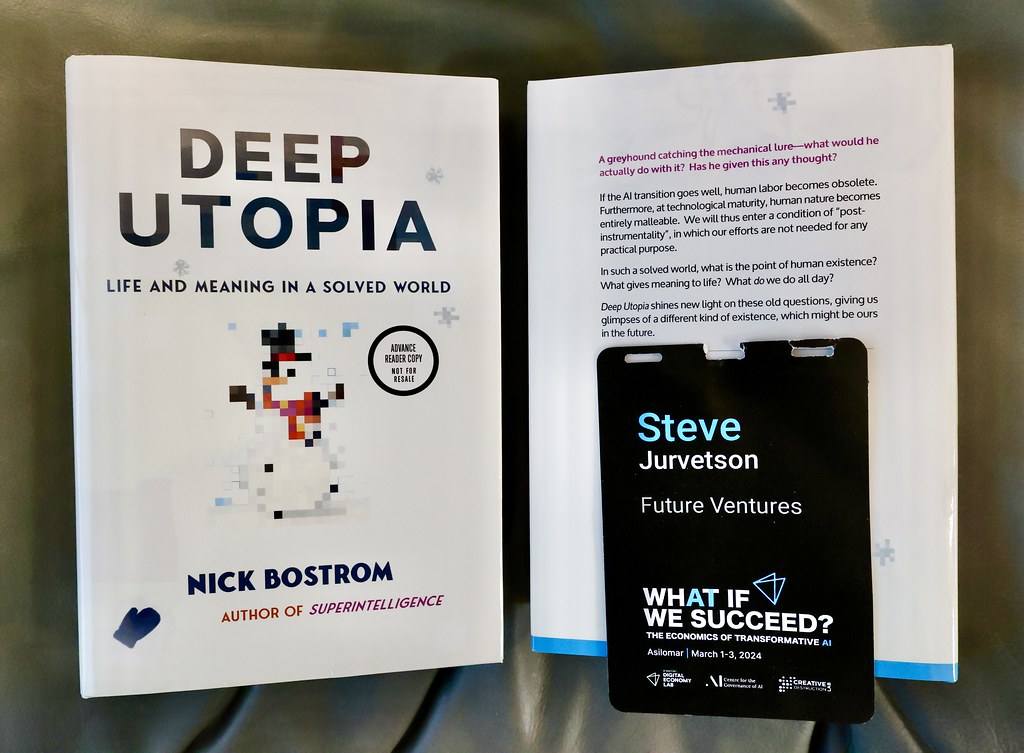
In today’s world, overflowing with information, book reviews act as essential compasses, guiding readers through a vast sea of stories. Today’s reviews are moving past simple summaries and personal feelings. They now offer deeper understanding and put things into context. This article dives into the many sides of book reviewing, highlighting its key role in encouraging critical thinking, starting interesting discussions, and connecting readers with stories that truly matter.
A good book review does more than just suggest whether you should read a book. It encourages you to think about the book in a more profound way. It makes you question what you believe, look at the author’s points, and think about different ideas. By pointing out what a book does well and where it falls short, a review helps you form your own well-reasoned thoughts and become a more careful reader.
Think about how a smart review can change the way you see a difficult philosophy book. Instead of just repeating what the author says, the review might look at the basic ideas behind the book, explore other possible arguments, and link the book’s concepts to bigger trends in thought. This kind of review helps you not only understand the book but also gives you the skills to deal with other challenging books.
Books have the power to change us, but sometimes we need help to fully understand them. That’s where insightful book reviews come in. They bridge the gap between the reader and what the author wants to say.
Crafting a compelling book review involves more than just stating whether you liked the book or not. It requires a structured approach, a keen eye for detail, and the ability to articulate your thoughts in a clear and engaging manner. Here’s a breakdown of the key elements that contribute to an effective book review:
Before you begin writing, consider who your audience is. Are you writing for a general readership, a specialized academic journal, or a book club? Tailoring your language, tone, and level of analysis to your intended audience is crucial for ensuring that your review resonates with them.
While the focus of a good review extends beyond a simple summary, providing a concise overview of the plot is essential. Focus on the core narrative and avoid giving away spoilers that could ruin the reading experience for others. Think of it as setting the stage for your analysis.
Delve into the author’s writing style. Is it lyrical, straightforward, or experimental? How does the author use language to create atmosphere, develop characters, and convey meaning? Also, identify and discuss the major themes explored in the book. These could range from love and loss to social justice and political upheaval.
Every book has its strengths and weaknesses. Objectively assess what the author does well and where the book falls short. Support your claims with specific examples from the text. For instance, you might praise the author’s vivid descriptions or critique the pacing of the plot.
While objectivity is important, your personal opinion matters. However, don’t simply state whether you liked the book or not. Explain why you feel that way. Back up your opinion with reasoned arguments and evidence from the text.
Book reviews play a vital role in the literary ecosystem. They influence purchasing decisions, shape critical discourse, and contribute to the overall appreciation of literature. Here’s a look at the multifaceted impact of book reviews:
In a world saturated with books, reviews help readers navigate the vast selection and choose books that align with their interests. A positive review can significantly boost a book’s sales, while a negative review can deter potential readers.
Book reviews contribute to the ongoing conversation about literature. They provide a platform for critics to analyze, interpret, and evaluate books, shaping the way we understand and appreciate them. They also spark debate and encourage readers to engage with literature on a deeper level.
Reviews can provide valuable feedback to authors, helping them improve their craft. They also help publishers promote their books and reach a wider audience. Positive reviews can lead to increased recognition and opportunities for authors.
If you want a practical next step, you can also check out Heal your past, design your future.
If you want a practical next step, you can also check out Become an Ultimate Master of your life.
Uganda's Bold Leap into the Digital Age Imagine a classroom where textbooks are supplemented by…
Uganda Plugs Into the Digital Age: A Classroom Revolution Imagine Ugandan students learning about the…
Uganda's Education Transformation: From Pandemic Response to Long-Term Vision The COVID-19 pandemic presented unprecedented challenges…
The Nuances of Opinion: Rethinking Book Reviews We often think of book reviews as definitive…
Beyond the Basics: Mastering the Book Review In the sprawling world of literature, book reviews…
The Art of Book Reviewing: More Than Just a Summary Book reviews serve as vital…



Leave a Comment