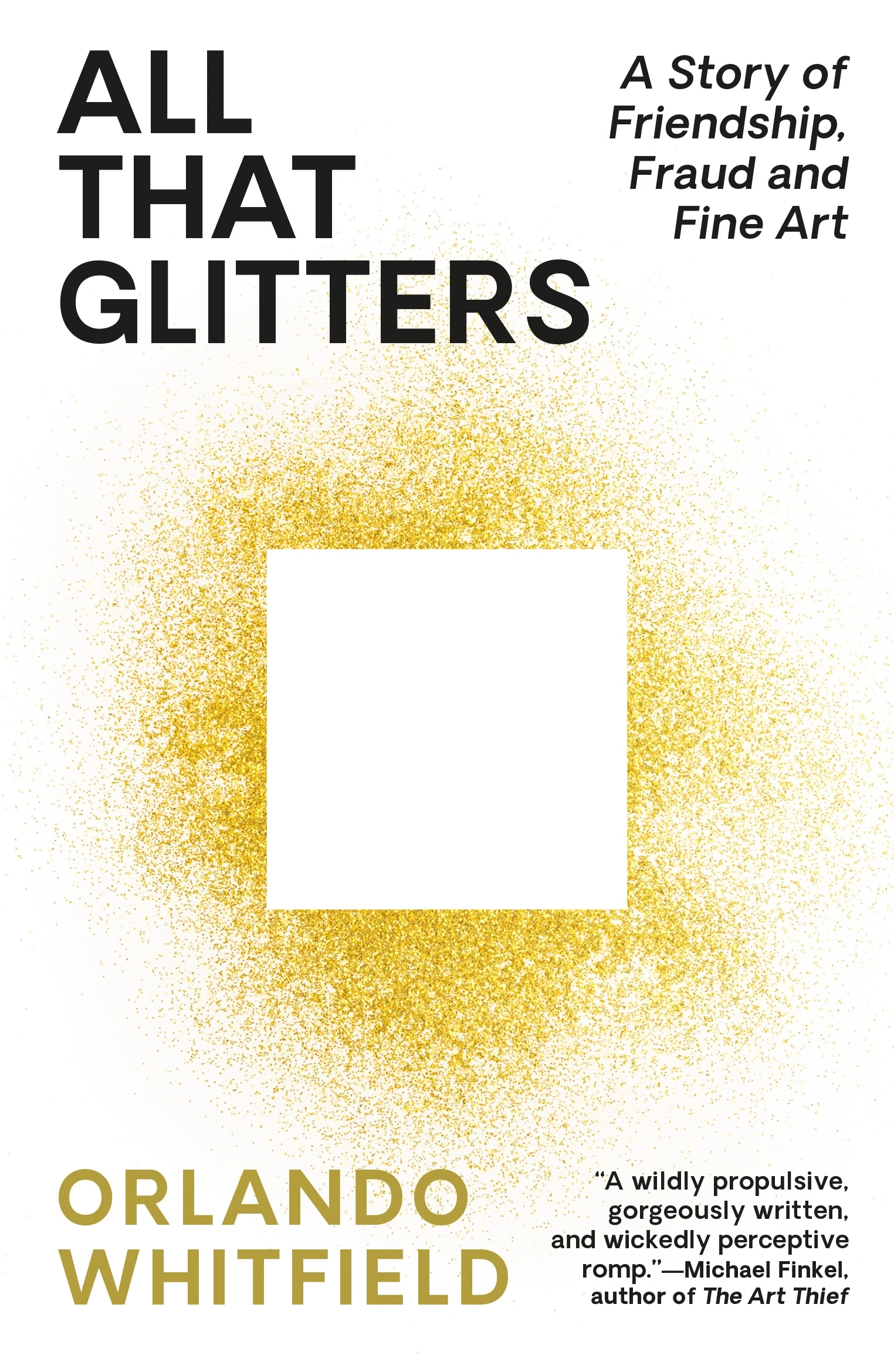
Book reviews are ubiquitous in today’s literary landscape, gracing platforms like Amazon, Goodreads, newspapers, and personal blogs. However, what distinguishes a remarkable book review from a mere plot summary? It lies in the ability to discern the book’s subtleties, its surrounding environment, and its resonance with the reader. This exploration delves into the frequently neglected components of composing a truly insightful critique.
Numerous reviews stumble by fixating solely on the narrative’s outline. While a brief overview is helpful, it shouldn’t dominate the review. A well-crafted review investigates the author’s underlying purpose. What core idea are they attempting to communicate? What central topics are they examining? Grasping the story’s motivation is essential for offering a substantial evaluation.
Each book is anchored within a particular framework. This could encompass the author’s background, the era in which the book was created, or the established literary norms it aligns with. Overlooking this context can result in a shallow and ultimately ineffective review. To illustrate, consider assessing a historical fiction novel without knowledge of the historical occurrences it portrays. The review would lack substance and fail to acknowledge the author’s deliberate decisions.
Moreover, contemplate the reader’s individual perspective. Are they acquainted with the genre? What expectations do they hold? A review should serve as a guide, supplying sufficient details to enable a well-considered choice about whether to engage with the book.
Beyond simply summarizing the plot and identifying the author’s intent, a truly effective book review delves deeper into several key elements that contribute to a reader’s understanding and appreciation of the work.
Examine the characters. Are they believable? Are their motivations clear? Do they undergo significant development throughout the story? A strong review will analyze the characters’ strengths and weaknesses and how they contribute to the overall narrative.
The author’s writing style is crucial. Is it engaging, descriptive, or perhaps terse and minimalist? Does the tone match the subject matter? A skilled reviewer will comment on the author’s stylistic choices and how they impact the reading experience.
Identify the underlying themes explored in the book. These may include love, loss, redemption, or social justice. Discuss how the author develops these themes and whether they resonate with the reader.
A well-structured review is as important as the content itself. A clear and logical flow will make your review more accessible and engaging for readers.
Start with a compelling introduction that grabs the reader’s attention. Briefly introduce the book and its author, and state your overall impression of the work.
Use the body paragraphs to delve into the key elements discussed above: plot, characters, style, themes, and context. Support your claims with specific examples from the book.
Conclude your review by summarizing your main points and offering a final recommendation. Should readers invest their time in this book? Why or why not? Be clear and concise in your judgment.
Even experienced reviewers can fall into common traps. Being aware of these pitfalls can help you craft more insightful and helpful reviews.
Avoid giving away crucial plot points or surprises that could ruin the reading experience for others. Focus on the overall themes and character development rather than specific events.
Strive for objectivity in your review. While personal preferences are inevitable, avoid letting them cloud your judgment. Focus on the merits of the book itself, rather than your own personal feelings about the author or genre.
Don’t make unsupported claims. Back up your opinions with specific examples from the book. This will make your review more credible and persuasive.
If you want a practical next step, you can also check out Heal your past, design your future.
If you want a practical next step, you can also check out Become an Ultimate Master of your life.
Uganda's Bold Leap into the Digital Age Imagine a classroom where textbooks are supplemented by…
Uganda Plugs Into the Digital Age: A Classroom Revolution Imagine Ugandan students learning about the…
Uganda's Education Transformation: From Pandemic Response to Long-Term Vision The COVID-19 pandemic presented unprecedented challenges…
The Nuances of Opinion: Rethinking Book Reviews We often think of book reviews as definitive…
Beyond the Basics: Mastering the Book Review In the sprawling world of literature, book reviews…
The Art of Book Reviewing: More Than Just a Summary Book reviews serve as vital…



Leave a Comment