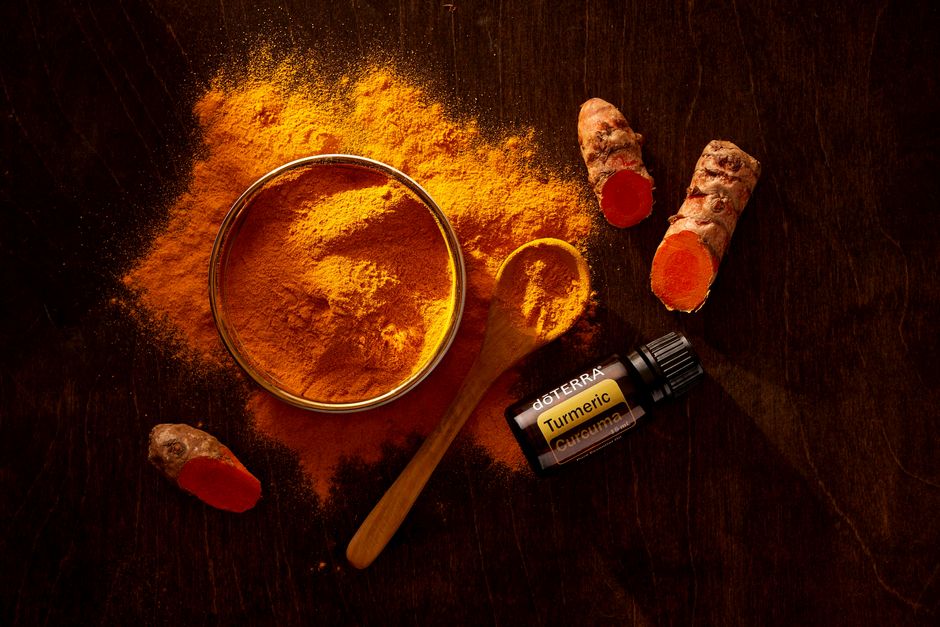
Long before clinical trials and peer-reviewed journals existed, healers across South Asia were grinding turmeric rhizomes into pastes and brewing them into tonics. Today, that same ancient root is being scrutinized under laboratory microscopes — and the findings are compelling enough to make even skeptical researchers take notice.
Belonging to the same botanical family as ginger, Curcuma longa is a tropical flowering plant native to the Indian subcontinent and parts of Southeast Asia. The portion of the plant that carries the most medicinal weight is its underground rhizome — a knobby, orange-fleshed stem that produces the vivid golden powder recognized worldwide as a cooking spice and healing agent.
Historical records place turmeric in active medical use as far back as 250 BCE, with ancient Sanskrit texts describing poultice applications for swelling and wound care. Ayurvedic practitioners incorporated it into formulas addressing everything from liver complaints to respiratory congestion, while Traditional Chinese Medicine employed it to move stagnant energy and relieve pain. The plant itself grows to nearly a metre tall, with broad lance-shaped leaves and pale blossoms — though it is the humble rhizome beneath the soil that has captured the attention of modern researchers and consumers alike. Annual curcumin supplement sales in the United States now exceed $58 million, reflecting a widespread return to botanical medicine that shows no signs of slowing.
Curcumin and its related compounds, collectively called curcuminoids, make up roughly two to five percent of dried turmeric by weight. Despite this relatively modest concentration, curcumin exerts influence across a surprisingly wide range of biological processes, which helps explain why researchers have investigated it for so many different conditions.
At the molecular level, curcumin suppresses two major drivers of chronic inflammation: nuclear factor kappa B (NF-kB), a protein complex that switches inflammatory genes on, and cyclooxygenase-2 (COX-2), the enzyme that produces pain-signaling prostaglandins. Ibuprofen and similar over-the-counter pain relievers work by targeting COX-2 as well — placing curcumin in mechanistically similar territory to widely used pharmaceuticals.
Curcumin also functions as a free radical scavenger, neutralizing unstable molecules that accelerate cellular damage and contribute to conditions ranging from cardiovascular disease to premature aging. Additionally, researchers have confirmed that curcumin can cross the blood-brain barrier, a feat that positions it as a candidate for neuroprotective applications — an area of growing scientific interest.
Curcumin’s most significant practical limitation is that it is poorly absorbed when taken in isolation. The compound is rapidly broken down in the gut and cleared from the bloodstream before it can accumulate at therapeutically useful levels. Two strategies have emerged to address this challenge effectively.
The first involves combining turmeric with piperine, the compound responsible for black pepper’s characteristic heat. Research has shown this pairing boosts curcumin bioavailability by as much as 2,000 percent by slowing its metabolism in the liver and intestines. The second strategy exploits curcumin’s fat-soluble nature: consuming it alongside healthy fats such as olive oil, avocado, or full-fat coconut milk significantly improves how much the body can absorb and utilize. Many traditional turmeric preparations — golden milk made with whole dairy, for instance — intuitively incorporated both principles long before the biochemistry was understood.
The scientific literature on turmeric has expanded rapidly over the past two decades. While early evidence came largely from cell cultures and animal models, an increasing number of well-designed human trials now provide a clearer picture of where curcumin genuinely delivers results.
Taking the next step becomes straightforward when you have the right support — Become an Ultimate Master of your life is worth exploring.
Taking the next step becomes straightforward when you have the right support — Heal your past, design your future is worth exploring.
Joint inflammation represents the most rigorously studied application of curcumin in human populations. A frequently cited trial published in the Journal of Alternative and Complementary Medicine directly compared curcumin to ibuprofen in patients with knee osteoarthritis. Both interventions produced comparable reductions in pain and improvements in physical function — but curcumin did so without triggering the gastrointestinal irritation commonly associated with prolonged NSAID use. For individuals who experience stomach upset or ulcer risk with conventional anti-inflammatory drugs, this distinction carries real clinical significance.
Turmeric’s reputation as a digestive aid in traditional medicine is increasingly supported by contemporary evidence. Curcumin stimulates bile secretion from the gallbladder, facilitating the emulsification and absorption of dietary fats. Beyond basic digestion, clinical studies have examined curcumin’s potential in reducing symptom burden for people living with irritable bowel syndrome, Crohn’s disease, and ulcerative colitis. Several trials have reported meaningful improvements in bloating, cramping, and stool consistency, though researchers emphasize that larger studies are still needed to establish standardized dosing protocols.
One of the more surprising directions in curcumin research involves its effects on the brain. Curcumin appears to elevate levels of brain-derived neurotrophic factor (BDNF), a protein that supports the survival and growth of neurons. Chronically low BDNF has been associated with major depression and neurodegenerative diseases including Alzheimer’s. A randomized controlled trial featured in the American Journal of Geriatric Psychiatry reported that adults who supplemented with curcumin over an 18-month period demonstrated measurable gains in memory and sustained attention relative to those receiving a placebo — a finding that has energized further investigation into curcumin as a neuroprotective agent.
Applied directly to the skin, turmeric preparations have shown documented antimicrobial activity against a variety of bacterial and fungal pathogens. Traditional medicine across South Asia has long used turmeric paste on minor burns, cuts, and infected wounds — practices that contemporary microbiology research has begun to validate. Studies examining topical curcumin formulations for acne, psoriasis, and eczema report reductions in redness and swelling consistent with its anti-inflammatory and antioxidant mechanisms, though standardized topical products are still an evolving area of development.
Turmeric is available in a variety of formats, and selecting the most appropriate one depends on both the intended therapeutic goal and practical lifestyle considerations.
Fresh turmeric root can be grated into smoothies, soups, and dressings, offering a mild, earthy flavor alongside the full spectrum of naturally occurring curcuminoids. Ground turmeric powder is the most widely available form and integrates easily into cooking, though its curcumin concentration varies between brands. Standardized capsules and tablets provide consistent, measurable doses of curcumin — often formulated with piperine or phospholipid complexes specifically to improve absorption — making them the preferred choice for individuals using turmeric with a specific health outcome in mind. Topical pastes and creams containing turmeric extract are increasingly available for direct skin application, bypassing the digestive system entirely for localized concerns.
Regardless of the format chosen, quality matters significantly. Third-party tested products from reputable manufacturers reduce the risk of contamination and ensure that labeled curcumin concentrations are accurate.
Turmeric has an excellent safety profile when used in culinary amounts, and even therapeutic doses are well tolerated by most healthy adults. However, certain populations warrant careful consideration before beginning supplementation.
Individuals taking anticoagulant or antiplatelet medications — such as warfarin or aspirin — should be aware that curcumin may amplify blood-thinning effects, increasing bleeding risk. Pregnant women are generally advised to limit turmeric to normal dietary quantities, as high supplemental doses may stimulate uterine contractions. People with diagnosed gallbladder disease or bile duct obstruction should avoid therapeutic turmeric use, since curcumin’s bile-stimulating properties can aggravate these conditions. High doses may also cause mild gastrointestinal discomfort — including nausea or loose stools — in sensitive individuals.
A conversation with a qualified healthcare provider before beginning any herbal supplement regimen remains the most prudent first step, particularly for those managing existing health conditions or taking prescription medications.
For most people, the simplest entry point is culinary. Adding half a teaspoon of ground turmeric to scrambled eggs, roasted vegetables, or a lentil soup — ideally alongside a pinch of black pepper and a source of healthy fat — delivers a modest but consistent daily dose of curcumin in a form the body can actually use.
Those seeking more targeted effects may find standardized supplements more practical, particularly products specifying curcumin content and absorption-enhancing ingredients on the label. Starting at a lower dose and gradually increasing allows the body to adjust and helps identify any individual sensitivities before committing to a full supplementation routine.
Turmeric will not replace surgery, antibiotics, or prescription therapy where those interventions are genuinely necessary. What it offers is something different: a well-researched, low-risk botanical tool that — used thoughtfully and in appropriate contexts — may meaningfully support the body’s own capacity for balance and recovery.
While pharmaceutical companies invest billions developing synthetic antivirals, a humble wild shrub has been delivering…
Hidden along fence lines, riverbanks, and the forgotten edges of parks and woodland paths grows…
Most people treat Sunday evening as their productivity launchpad — a time to map out…
Long before pharmaceutical companies existed, healers across Asia were already prescribing a bright orange root…
Long before pharmaceutical laboratories existed, traditional healers across Asia were prescribing a bright yellow root…
The Rise of No-Cost AI Voice GenerationA quiet revolution has taken place in audio production.…



Leave a Comment