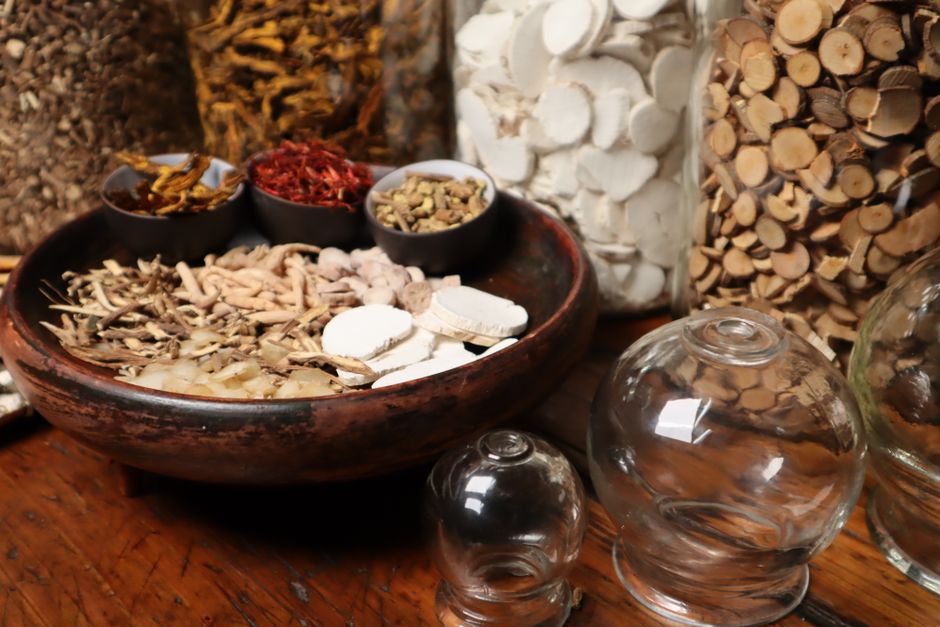
Long before pharmaceutical companies began bottling stress relief, healers across South Asia were grinding a woody root into powder and prescribing it for everything from exhaustion to infertility. That root — ashwagandha (Withania somnifera) — has now attracted serious scientific attention, and the findings are difficult to ignore. Yet despite growing mainstream interest, many people remain uncertain about what this plant actually does, how it works, and whether it is right for them.
Classified botanically as Withania somnifera, ashwagandha is a short evergreen shrub native to the dry regions of India, parts of North Africa, and the Mediterranean coastline. The name itself originates from two Sanskrit words — ashwa (horse) and gandha (smell) — referencing both the root’s distinctive earthy odor and the traditional belief that regular consumption would transfer the endurance and vitality associated with horses. Within Ayurvedic medicine, it has been categorized for over three millennia as a Rasayana herb, a designation reserved for botanicals believed to promote longevity, rebuild depleted tissues, and strengthen the body’s foundational energy.
Unlike stimulants that force the body into a heightened state, ashwagandha belongs to a class of plants called adaptogens — substances that help the body adapt to physical and psychological stressors without causing dependency or dramatic side effects. This distinction is central to understanding why it has remained relevant across thousands of years of medical tradition and why modern researchers continue to investigate it.
The therapeutic reputation of ashwagandha is not built on folklore alone. Its effects can be traced to a specific group of naturally occurring compounds called withanolides — steroidal lactones concentrated primarily in the plant’s root. Over the past three decades, withanolides have been the focus of hundreds of peer-reviewed investigations examining their anti-inflammatory, neuroprotective, and hormone-modulating properties.
At a physiological level, withanolides influence the hypothalamic-pituitary-adrenal (HPA) axis — the central command system governing the body’s stress response. When this system becomes chronically overactivated, as is common in people managing demanding careers, poor sleep, or ongoing anxiety, cortisol output remains persistently elevated. Sustained high cortisol contributes to a cascade of negative outcomes: systemic inflammation, abdominal weight gain, suppressed immunity, and disrupted sleep cycles. Withanolides help recalibrate this system, bringing cortisol back toward normal ranges without dulling mental sharpness or inducing sedation.
Withanolides share the spotlight with several other biologically active constituents. Ashwagandha root contains notable concentrations of iron, which explains its traditional use in treating fatigue and mild anemia. Alkaloids such as isopelletierine and anaferine contribute mild analgesic and anti-inflammatory effects. Saponins add further immune-modulating activity. Rather than functioning through a single mechanism, ashwagandha operates through this layered chemical synergy — a complexity that isolated synthetic compounds typically cannot replicate.
The shift from traditional remedy to evidence-backed supplement has been driven by a steady accumulation of rigorous clinical data. The following areas represent the strongest and most replicated findings in the current literature.
Perhaps the most thoroughly studied application involves stress and anxiety. A double-blind, randomized controlled trial featured in the Indian Journal of Psychological Medicine enrolled adults reporting chronic stress and administered either 300 mg of ashwagandha root extract twice daily or a placebo for 60 days. The treatment group reported a 44% reduction in perceived stress scores, while the placebo group showed only a 5.5% improvement. Laboratory measurements confirmed a 27.9% average drop in serum cortisol among those taking the herb. Multiple subsequent studies have produced comparable results, reinforcing the reliability of this effect.
For those looking to take the next step, Become an Ultimate Master of your life is a resource worth exploring.
For those looking to take the next step, Heal your past, design your future is a resource worth exploring.
The species name somnifera translates from Latin as sleep-inducing, and the science largely supports this characterization. Research published in PLOS ONE in 2019 tracked adults with diagnosed insomnia over a 10-week period, with half receiving 600 mg of ashwagandha root extract daily. Those in the treatment group fell asleep faster, slept longer, and rated their overall sleep quality significantly higher than controls. Notably, participants also reported feeling more mentally alert upon waking — an outcome suggesting the herb promotes genuinely restorative sleep rather than simply suppressing wakefulness through sedative mechanisms.
Interest from the fitness community has grown substantially as evidence mounts for ashwagandha’s performance-enhancing potential. A study in the Journal of the International Society of Sports Nutrition followed resistance-trained men over eight weeks, with one group supplementing with 600 mg of ashwagandha extract daily. Compared to placebo recipients, the ashwagandha group demonstrated significantly greater increases in both muscle strength and lean body mass. VO2 max — a standard measure of aerobic capacity — also improved. Researchers attributed these gains partly to the herb’s documented ability to reduce exercise-induced muscle damage and accelerate recovery through anti-inflammatory pathways.
Ashwagandha’s influence on male fertility has been documented across several controlled trials. Supplementation has been associated with increased serum testosterone, improved sperm concentration, and enhanced sperm motility. In one study involving men diagnosed with infertility, daily consumption of 5 grams of ashwagandha root powder over three months produced a 167% increase in sperm count and a 57% improvement in sperm motility. Antioxidant markers in seminal fluid also improved significantly, suggesting the herb may protect reproductive cells from oxidative damage.
More recent investigations have explored ashwagandha’s potential role in supporting thyroid function. Early findings indicate it may help elevate levels of thyroid hormones T3 and T4 in individuals with subclinical hypothyroidism — a condition characterized by borderline low thyroid output without full clinical symptoms. While this research remains preliminary, it points to the herb’s broader capacity to influence endocrine function beyond the adrenal axis.
Not all ashwagandha preparations are equivalent. The root is the most widely studied and commercially available form, containing the highest concentrations of withanolides and carrying the strongest evidence base for stress, sleep, and performance benefits. The leaf, by contrast, tends to show stronger antimicrobial and antitumor activity in laboratory studies, though clinical human data remains more limited. The berry has historically been used in Ayurvedic practice as a coagulant and mild diuretic. When selecting a supplement, root extract standardized to a specific withanolide percentage — typically between 2.5% and 5% — generally offers the most predictable and well-researched results.
Clinical trials have used a wide range of doses, but the most commonly studied and effective range falls between 300 mg and 600 mg of root extract per day, divided into one or two doses. Lower doses in the 300 mg range appear sufficient for stress and anxiety management, while higher doses closer to 600 mg have been used in athletic performance and sleep studies. Most trials report meaningful results after four to eight weeks of consistent use, though some individuals notice changes in sleep quality within the first two weeks.
Ashwagandha is generally well tolerated. The most frequently reported side effects — mild gastrointestinal discomfort and occasional drowsiness — tend to resolve when the supplement is taken with food or when doses are adjusted downward. Taking it in the evening may suit individuals primarily seeking sleep benefits, while morning or midday dosing is often preferred for stress management and performance applications.
Despite its favorable safety profile, ashwagandha is not universally appropriate. Pregnant individuals should avoid it entirely, as animal studies suggest high doses may stimulate uterine contractions. People taking thyroid medications should consult their physician before use, given the herb’s potential to amplify thyroid hormone levels. Those on immunosuppressant drugs — such as transplant recipients — should also seek guidance, since ashwagandha’s immune-stimulating properties could theoretically interfere with treatment. Individuals with autoimmune conditions including lupus, rheumatoid arthritis, or multiple sclerosis are similarly advised to proceed cautiously.
Ashwagandha is accessible through a broad range of retail channels, including health food stores, dedicated Ayurvedic suppliers, mainstream pharmacies, and online supplement retailers. Product quality varies considerably, so selecting brands that provide third-party testing verification — through organizations such as NSF International or USP — offers greater assurance of purity and accurate labeling. Organic certifications can further reduce exposure to pesticide residues, particularly relevant for a root-based product where soil contamination is a genuine concern.
Ashwagandha occupies a rare position in the supplement landscape — a plant with deep historical roots and a growing body of credible scientific evidence supporting its use. Whether the goal is managing daily stress, improving sleep quality, enhancing physical performance, or supporting hormonal health, the evidence suggests this adaptogen can contribute meaningfully when used appropriately. As with any supplement, individual response varies, and integrating ashwagandha into a broader framework of healthy habits will consistently produce better outcomes than relying on any single intervention alone.
Long before pharmaceutical companies began synthesizing anti-inflammatory drugs, healers across Asia were grinding a humble…
Long before clinical trials and peer-reviewed journals existed, healers across South Asia were grinding turmeric…
You are not lazy. You are not careless. You may simply be a victim of…
Most people assume that the path to a better life runs through more effort, more…
Biology is often misunderstood as a subject that rewards only memorisation. In reality, Uganda Certificate…
Chemistry sits at the intersection of memory, logic, and practical skill — yet thousands of…


Leave a Comment