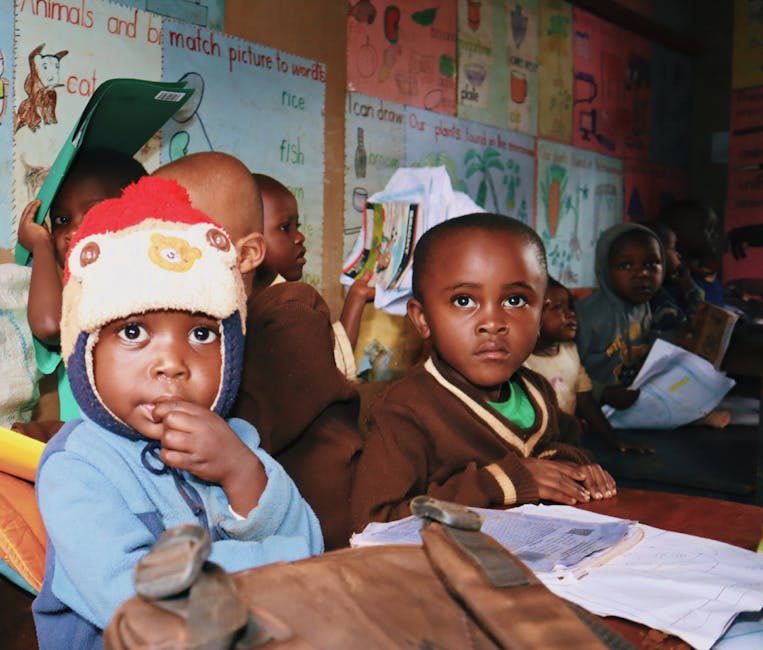
Kampala, Uganda – A new dawn is breaking in Uganda’s education sector, signaling a profound shift from rote learning to a more comprehensive and student-centered approach. This transformation prioritizes not just academic excellence, but the cultivation of well-rounded individuals equipped with essential life skills, emotional intelligence, and a strong sense of social responsibility.
Historically, the Ugandan education system has emphasized memorization and exam performance. While this approach has its merits in knowledge dissemination, it often neglects the development of crucial soft skills such as critical thinking, problem-solving, creativity, and effective communication. In today’s rapidly evolving global landscape, these skills are increasingly recognized as vital assets for success.
The Ministry of Education and Sports is spearheading efforts to integrate holistic learning principles into the national curriculum. This involves incorporating activities and programs that promote emotional well-being, civic engagement, and personal growth. For example, initiatives like peer mentoring programs, workshops on conflict resolution, and participation in community development projects are being encouraged to complement traditional classroom instruction. Furthermore, educators are being trained to foster a more interactive and inquiry-based learning environment that sparks curiosity, encourages exploration, and celebrates individual talents.
Holistic development in education is built upon a foundation of interconnected pillars, each contributing to the overall growth and preparedness of students. These pillars extend beyond traditional academic subjects to encompass a broader spectrum of skills and values.
The implementation of a holistic approach to education in Uganda presents both challenges and opportunities. Limited resources, inadequate infrastructure, and a shortage of qualified teachers pose significant obstacles. However, the growing recognition of the importance of holistic development, coupled with government support and international partnerships, provides a fertile ground for positive transformation.
One promising opportunity lies in leveraging technology to enhance learning experiences and expand access to quality education for students in underserved communities. Online learning platforms, digital libraries, and interactive simulations can supplement traditional classroom instruction and bridge the educational gap. Imagine students in rural areas accessing world-class educational resources through tablets and internet connectivity.
Extracurricular activities play a crucial role in promoting holistic development. Sports, arts, clubs, and community service initiatives provide students with platforms to explore their passions, hone their talents, and acquire valuable life skills.
These activities foster teamwork, leadership, time management, and problem-solving abilities. They also help students cultivate self-confidence, resilience, and a sense of belonging.
Several schools and organizations in Uganda have successfully implemented programs that promote holistic development. These programs often include:
These programs demonstrate the transformative potential of holistic education in empowering students and building a more prosperous and equitable society. Consider the story of a young girl from a disadvantaged background who, through a mentorship program, discovered her passion for science and went on to pursue a career in engineering.
Many students in Uganda face hurdles related to poverty and limited access to resources. A holistic approach seeks to address these challenges by providing students with the comprehensive support they need to thrive academically, emotionally, and socially, ensuring that every child has the opportunity to reach their full potential.
If you want a practical next step, you can also check out Heal your past, design your future.
If you want a practical next step, you can also check out Become an Ultimate Master of your life.
Uganda's Bold Leap into the Digital Age Imagine a classroom where textbooks are supplemented by…
Uganda Plugs Into the Digital Age: A Classroom Revolution Imagine Ugandan students learning about the…
Uganda's Education Transformation: From Pandemic Response to Long-Term Vision The COVID-19 pandemic presented unprecedented challenges…
The Nuances of Opinion: Rethinking Book Reviews We often think of book reviews as definitive…
Beyond the Basics: Mastering the Book Review In the sprawling world of literature, book reviews…
The Art of Book Reviewing: More Than Just a Summary Book reviews serve as vital…



Leave a Comment