Official Name: Carl Gustav Jung
Lifespan: 1875–1961
Origin: Switzerland
Areas of Expertise: Psychiatry, Psychology, Analytical Psychology
Global Impact: Carl Jung, a groundbreaking figure in psychiatry, established analytical psychology. His investigations into the human psyche led to the development of key concepts such as the collective unconscious, archetypes, and psychological types. These ideas have had a far-reaching impact on fields ranging from psychology and psychotherapy to religion, literature, and broader popular culture. Jung’s focus on individuation – the ongoing journey of self-discovery and psychological maturation – continues to inspire those in pursuit of personal fulfillment and deeper understanding.
Born on July 26, 1875, in Kesswil, Switzerland, Carl Gustav Jung’s upbringing was steeped in religious and spiritual influences. His father, Paul Achilles Jung, served as a pastor, while his mother, Emilie Preiswerk Jung, hailed from a family known for its engagement with spiritualism. Jung’s early years were characterized by a vibrant inner world, fueled by a keen interest in dreams and symbolic representation. Feeling distinct from his peers, he often sought solace in his imagination, creating elaborate fantasies and imaginary friends.
Jung pursued his formal education in Basel, initially focusing on medicine. Though drawn to fields like archaeology, he ultimately chose psychiatry, drawn by the prospect of unraveling the complexities of the human mind. He found himself profoundly influenced by…
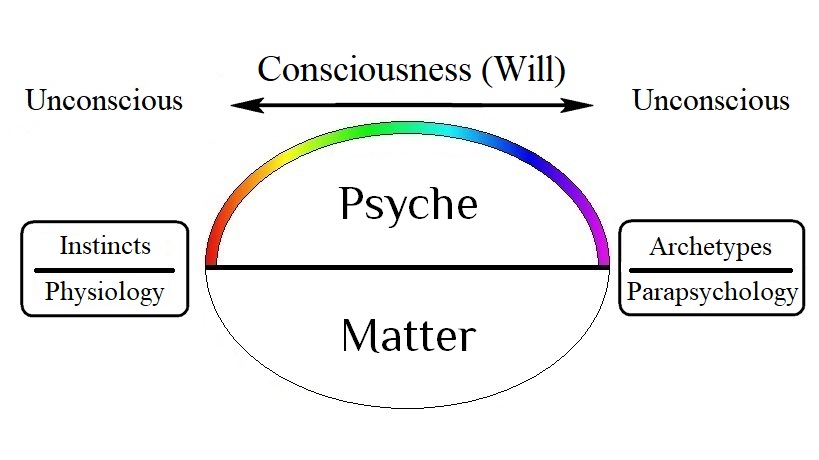
One of Jung’s most revolutionary ideas is the concept of the collective unconscious. Unlike the personal unconscious, which contains an individual’s repressed memories and experiences, the collective unconscious is a universal reservoir of ancestral memories and archetypes, shared by all humanity. These archetypes are primordial images and patterns of behavior that manifest in myths, dreams, and symbols across cultures.
Individuation is the central concept in Jungian psychology, representing the lifelong process of psychological differentiation and integration. It involves becoming aware of and integrating all aspects of the personality, including the conscious and unconscious, the personal and the collective. This journey leads to a greater sense of wholeness, authenticity, and meaning.
The process of individuation typically involves:
Carl Jung’s ideas have profoundly impacted various fields, including:
Carl Jung’s work continues to resonate with individuals seeking deeper self-understanding and meaning in their lives. His emphasis on the unconscious, archetypes, and the individuation process provides a framework for personal growth and psychological well-being. His contributions have left an indelible mark on the landscape of psychology and continue to inspire exploration and discovery in the realm of the human psyche.
If you want a practical next step, you can also check out Heal your past, design your future.
If you want a practical next step, you can also check out Become an Ultimate Master of your life.
Uganda's Bold Leap into the Digital Age Imagine a classroom where textbooks are supplemented by…
Uganda Plugs Into the Digital Age: A Classroom Revolution Imagine Ugandan students learning about the…
Uganda's Education Transformation: From Pandemic Response to Long-Term Vision The COVID-19 pandemic presented unprecedented challenges…
The Nuances of Opinion: Rethinking Book Reviews We often think of book reviews as definitive…
Beyond the Basics: Mastering the Book Review In the sprawling world of literature, book reviews…
The Art of Book Reviewing: More Than Just a Summary Book reviews serve as vital…



Leave a Comment