Carl Gustav Jung, a towering figure in 20th-century thought, revolutionized our understanding of the human psyche. This profile delves into his life, seminal ideas, and lasting global influence.
Name: Carl Gustav Jung
Lifespan: 1875–1961
Origin: Swiss
Core Disciplines: Psychiatry, psychology, depth psychology
Global Impact: Carl Jung, a Swiss psychiatrist and the founder of analytical psychology, profoundly impacted numerous fields. His theories continue to resonate in psychiatry, philosophy, anthropology, archaeology, literature, and religious studies. A pivotal thinker, Jung introduced groundbreaking concepts such as the collective unconscious, archetypes, and the process of individuation.
Born in Kesswil, Switzerland, on July 26, 1875, Carl Jung’s early life was marked by a strong religious background. His father, Paul Achilles Jung, was a pastor, and his mother, Emilie Preiswerk Jung, came from a family with deep spiritual connections. Jung experienced vivid dreams and visions during his childhood, which he interpreted as insights into his inner world, fostering a lifelong interest in the human psyche.
Jung’s academic pursuits began in Basel, where he studied medicine at the University of Basel. Initially drawn to archaeology and philosophy, he shifted his focus to psychiatry after encountering a compelling text on psychological medicine. He started his psychiatric career at the Burghölzli mental hospital in Zurich, under the mentorship of Eugen Bleuler, a pioneer in schizophrenia research. Bleuler’s work significantly influenced Jung’s early understanding of the unconscious mind.
One of the most pivotal moments in Jung’s career was his association with Sigmund Freud, the founder of psychoanalysis. Jung initially admired Freud’s work and became a devoted follower. Their collaboration was intense and productive, with Jung serving as the first president of the International Psychoanalytical Association. However, their relationship eventually fractured due to fundamental differences in their theoretical approaches.
Jung disagreed with Freud’s emphasis on the primacy of sexual instincts in shaping human behavior. He also rejected Freud’s concept of the Oedipus complex as a universal phenomenon. These disagreements led to a bitter split, with Jung developing his own distinct school of thought known as analytical psychology.
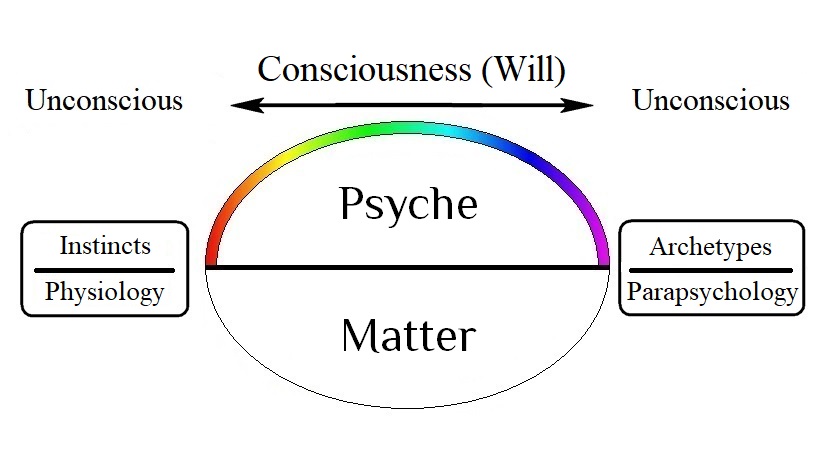
Jung’s analytical psychology is characterized by several key concepts:
Jung’s theories have had a profound influence on various fields beyond psychology:
Carl Jung’s legacy continues to inspire and influence scholars, therapists, and individuals seeking to understand themselves and the human condition. His work offers a rich and complex framework for exploring the depths of the unconscious mind and achieving psychological wholeness. He remains a pivotal figure in the history of psychology and a profound influence on contemporary thought.
Jung’s extensive writings offer a deep dive into his theories. Some of his most important works include:
| Concept | Description |
|---|---|
| Collective Unconscious | Universal reservoir of inherited experiences |
| Archetypes | Universal patterns of behavior and imagery |
| Individuation | Process of psychological integration |
| Persona | Social mask or public image |
| Shadow | Unconscious, repressed aspects of self |
| Anima/Animus | Unconscious feminine/masculine side |
If you want a practical next step, you can also check out Heal your past, design your future.
If you want a practical next step, you can also check out Become an Ultimate Master of your life.
Uganda's Bold Leap into the Digital Age Imagine a classroom where textbooks are supplemented by…
Uganda Plugs Into the Digital Age: A Classroom Revolution Imagine Ugandan students learning about the…
Uganda's Education Transformation: From Pandemic Response to Long-Term Vision The COVID-19 pandemic presented unprecedented challenges…
The Nuances of Opinion: Rethinking Book Reviews We often think of book reviews as definitive…
Beyond the Basics: Mastering the Book Review In the sprawling world of literature, book reviews…
The Art of Book Reviewing: More Than Just a Summary Book reviews serve as vital…



Leave a Comment