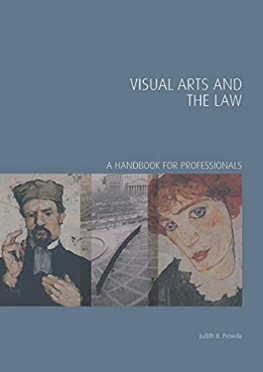
In the sprawling landscape of literature, book reviews act as essential guides, steering readers toward their next literary adventure. More than just plot summaries or personal opinions, a well-written review offers insightful analysis, places the work within a broader context, and provides a balanced assessment. This guide explores the core components of crafting engaging book reviews that inform, captivate, and empower readers to make informed choices.
The objective of a book review goes beyond a simple thumbs-up or thumbs-down. It aims to provide readers with a thorough understanding of the book’s substance, highlighting both its merits and flaws, and assessing its overall importance. An effective review serves as a conduit between the author’s creation and the prospective reader, cultivating a richer understanding of the literary work.
Creating an impactful book review demands careful attention to several crucial aspects:
Begin with a captivating introduction that immediately piques the reader’s interest. This could involve a stimulating question, a memorable excerpt from the book, or a concise story linked to the narrative or its underlying themes.
Present fundamental details about the book, encompassing the author’s identity, the title, the genre classification, and the year of publication. Briefly mention any relevant background information about the author or the circumstances surrounding the book’s creation.
Provide a concise summary of the book’s main plot points, refraining from revealing critical spoilers or plot twists. Focus on providing a general sense of the story’s trajectory and key events without divulging too much detail.
Evaluate the author’s writing style, including their use of language, tone, and narrative techniques. Consider how these elements contribute to the overall reading experience and the book’s effectiveness in conveying its message.
Identify and analyze the central themes and recurring motifs that permeate the book. Discuss how these elements contribute to the book’s deeper meaning and its relevance to broader social or cultural contexts.
Assess the development and believability of the characters within the story. Consider their motivations, relationships, and how they evolve throughout the narrative. Are the characters relatable and engaging, or do they fall flat?
Present a well-rounded assessment of the book’s strengths and weaknesses. Acknowledge the areas where the book excels, such as its compelling plot, well-developed characters, or insightful themes. Also, address any shortcomings, such as pacing issues, underdeveloped subplots, or inconsistencies in the narrative.
Conclude your review with a clear and concise recommendation. State whether you would recommend the book to others and, if so, to whom. Provide a brief justification for your recommendation, summarizing the key reasons why you believe the book is worth reading (or not).
When writing a book review, it’s vital to avoid biases and conflicts of interest. Disclose any relationships with the author or publisher. Maintain honesty and integrity in your assessment.
If you want a practical next step, you can also check out Heal your past, design your future.
If you want a practical next step, you can also check out Become an Ultimate Master of your life.
Uganda's Bold Leap into the Digital Age Imagine a classroom where textbooks are supplemented by…
Uganda Plugs Into the Digital Age: A Classroom Revolution Imagine Ugandan students learning about the…
Uganda's Education Transformation: From Pandemic Response to Long-Term Vision The COVID-19 pandemic presented unprecedented challenges…
The Nuances of Opinion: Rethinking Book Reviews We often think of book reviews as definitive…
Beyond the Basics: Mastering the Book Review In the sprawling world of literature, book reviews…
The Art of Book Reviewing: More Than Just a Summary Book reviews serve as vital…


Leave a Comment