Categories: General

Wildcrafting: A Beginner’s Guide to Ethical Foraging and the Power of Plant Medicine

Reconnecting with Nature’s Bounty Through Foraging

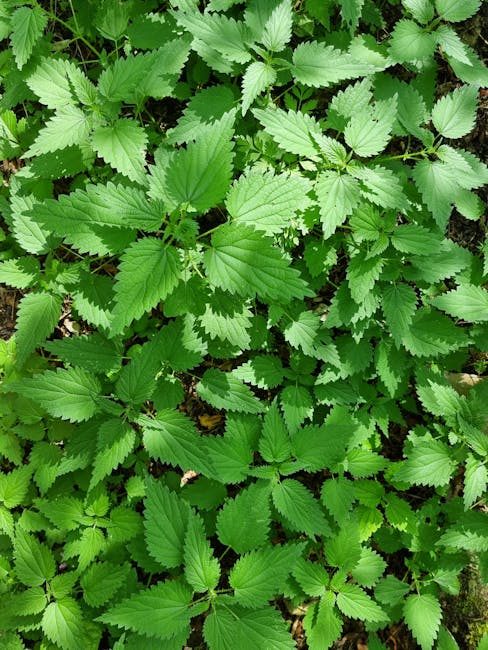
In an increasingly disconnected world, foraging offers a powerful way to reconnect with nature and tap into its wealth of resources. More than just a hobby, it’s a journey into understanding the intricate relationships within ecosystems and a path towards self-sufficiency. This guide explores the art of foraging, emphasizing its potential for enhancing well-being through access to natural medicines and nutritious foods.

The Holistic Benefits of Ethical Foraging

Foraging offers benefits that extend far beyond the simple acquisition of food and medicine. It encourages mindful awareness of our surroundings, sharpening our senses and deepening our appreciation for the natural world. The physical activity involved in searching for plants promotes exercise and reduces stress. Furthermore, the knowledge gained through foraging empowers us to become more self-reliant and resilient.

Consider the example of the common dandelion. Often dismissed as a weed, it’s a nutritional powerhouse, rich in vitamins A, C, and K, as well as calcium and potassium. Foragers can use the leaves in salads, the roots for a coffee substitute, and the flowers for making teas or even infused oils. This highlights how foraging can transform our perception of the natural world, revealing hidden treasures in unexpected places. However, always ensure proper identification and avoid harvesting from polluted areas.

Sustainable Practices: The Cornerstone of Responsible Foraging

The ethical dimension of foraging is paramount. It’s not about taking as much as possible, but about fostering a reciprocal relationship with the environment. Before venturing out, research local regulations regarding foraging. Many parks and protected areas have specific rules to ensure the preservation of plant life.

Key Principles for Ethical Harvesting

  • Confirm Identification: Utilize reliable field guides and, if possible, consult with experienced foragers to confirm the identity of any plant before consumption. Misidentification can have serious consequences.
  • Respectful Harvesting: Only harvest what you need and be mindful of the plant’s overall health. Avoid uprooting entire plants unless they are abundant and invasive.
  • Leave No Trace: Pack out everything you pack in and minimize your impact on the surrounding environment. Stay on designated trails and avoid disturbing wildlife.
  • Support Regeneration: Consider scattering seeds or helping to propagate plants in areas where they are struggling. This ensures the long-term sustainability of foraging resources.

Embarking on Your Foraging Adventure: Practical Tips

Starting your foraging journey requires patience, dedication, and a willingness to learn. Begin by focusing on a few easily identifiable plants and gradually expand your knowledge base.

Essential Tools and Resources for Beginners

  • Regional Field Guides: Invest in field guides that are specific to your geographic area. These guides should include detailed descriptions, photographs, and information on plant habitats and uses.
  • Harvesting Implements: A small knife, scissors, and a collection basket are essential for gathering plants. Consider using gloves to protect your hands from thorns and irritants.
  • First-Aid Supplies: Always carry a first-aid kit with remedies for insect bites, stings, and minor injuries.
  • Navigation Aids: A map, compass, or GPS device can be helpful for navigating unfamiliar areas.

Easy-to-Identify Plants for Novice Foragers

Here are a few beginner-friendly plants to get you started:

  • Chickweed (Stellaria media): A common, sprawling weed with small, oval leaves. It’s edible raw or cooked and has a mild, slightly grassy flavor.
  • Red Clover (Trifolium pratense): Easily identified by its distinctive red flower heads. The flowers can be used to make teas or added to salads.
  • Elderflower (Sambucus canadensis): The fragrant flowers of the elderberry bush can be used to make cordials, teas, and fritters. Be sure to only harvest the flowers, as other parts of the plant are toxic.

Prioritizing Safety: Avoiding Potential Hazards

Foraging involves inherent risks, so it’s crucial to prioritize safety and exercise caution at all times.

  • Toxic Plant Identification: Learn to identify common poisonous plants in your area, such as poison ivy, poison oak, and hemlock.
  • Allergic Reactions: Be aware of potential allergic reactions to plants. Start with small amounts and monitor for any adverse effects.
  • Environmental Dangers: Be mindful of ticks, snakes, and other wildlife. Wear appropriate clothing and take precautions to avoid contact.

Foraging in the 21st Century: A Sustainable Future

As we seek more sustainable and holistic ways of living, foraging offers a valuable pathway towards reconnecting with nature and enhancing our well-being. By embracing ethical practices and promoting responsible stewardship, we can ensure that this ancient tradition continues to thrive for generations to come, providing us with nourishment, healing, and a deeper understanding of the natural world.

If you want a practical next step, you can also check out Heal your past, design your future.

If you want a practical next step, you can also check out Become an Ultimate Master of your life.

umc

Ultimate Multimedia Consult provides value added news, information and knowledge products, services and training.

Leave a Comment
Share
Published by
umc

Recent Posts

Bridging the Digital Divide: Uganda’s Education Revolution Through Digital Literacy and Teacher Training

Uganda's Bold Leap into the Digital Age Imagine a classroom where textbooks are supplemented by…

1 week ago

Uganda’s Digital Leap: Transforming Primary Education Through Technology

Uganda Plugs Into the Digital Age: A Classroom Revolution Imagine Ugandan students learning about the…

1 week ago

Uganda’s Education Renaissance: Combating Learning Loss and Empowering Educators

Uganda's Education Transformation: From Pandemic Response to Long-Term Vision The COVID-19 pandemic presented unprecedented challenges…

1 week ago

The Art of the Subjective: Exploring the Nuances of Book Reviewing

The Nuances of Opinion: Rethinking Book Reviews We often think of book reviews as definitive…

1 week ago

Crafting the Perfect Book Review: A Guide for Aspiring Critics

Beyond the Basics: Mastering the Book Review In the sprawling world of literature, book reviews…

1 week ago

Unveiling the Layers: A Deep Dive into Book Reviewing Beyond Plot Summaries

The Art of Book Reviewing: More Than Just a Summary Book reviews serve as vital…

1 week ago