Categories: General

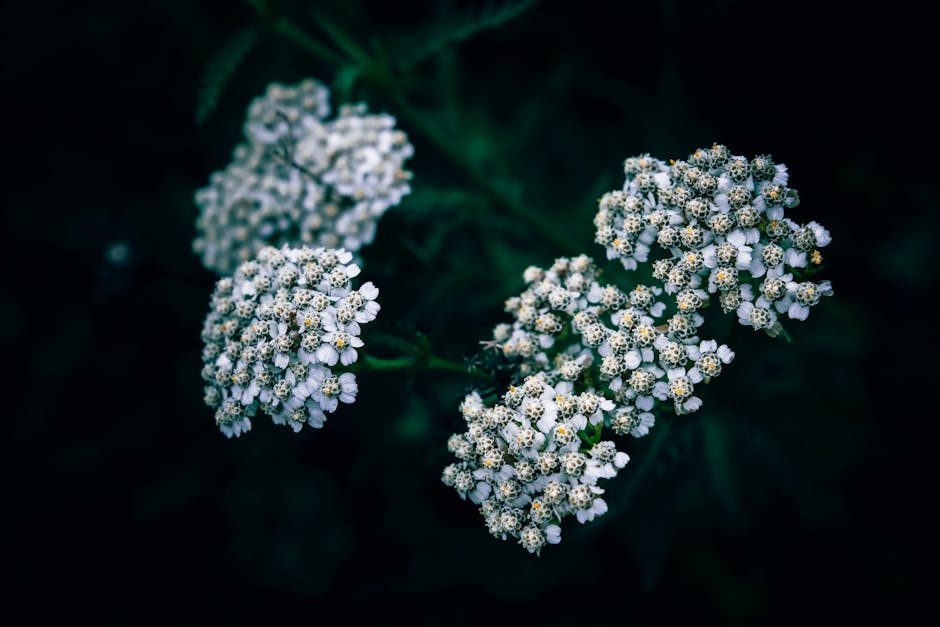
Yarrow: Nature’s Versatile Healer – Unveiling the Power of Achillea millefolium

Yarrow: From Ancient Remedies to Modern Wellness

Yarrow, scientifically known as Achillea millefolium, boasts a rich history steeped in traditional medicine. While tales of Achilles using it to treat wounded soldiers during the Trojan War are captivating, yarrow’s relevance extends far beyond ancient battlefields. Today, this resilient herb is gaining recognition for its diverse applications in modern wellness practices.

The name Achillea pays homage to the legendary warrior, while millefolium describes its finely divided, feathery leaves. Native to Europe and Asia, yarrow has naturalized across North America, thriving in diverse environments. But what makes this seemingly ordinary plant so extraordinary?

Unpacking Yarrow’s Healing Potential

Yarrow’s therapeutic properties stem from its complex chemical composition, a symphony of volatile oils (including anti-inflammatory chamazulene), flavonoids, alkaloids (like achilleine, which aids blood clotting), tannins, and resins. These components work synergistically to offer a range of benefits:

  • Skin Savior: Forget battlefield wounds; yarrow can be your go-to for everyday skin irritations. Its astringent properties help tighten skin and reduce bleeding from minor cuts, while its anti-inflammatory and antimicrobial actions promote healing and prevent infection. Think of it as nature’s first-aid kit for scrapes and blemishes.
  • Easing Aches and Pains: Yarrow’s anti-inflammatory prowess isn’t limited to skin deep. It can help soothe muscle aches, joint pain, and even headaches. Consider a yarrow-infused massage oil for post-workout recovery or a relaxing bath with yarrow flowers to ease tension.
  • Digestive Harmony: Feeling bloated or experiencing indigestion? Yarrow can lend a helping hand. It stimulates digestive enzymes and reduces inflammation in the gut, promoting healthy digestion. Try a cup of yarrow tea after a heavy meal to ease discomfort.
  • Supporting Women’s Well-being: Yarrow has been traditionally used to address various women’s health concerns, from regulating menstrual cycles to alleviating cramps. Its antispasmodic and anti-inflammatory effects can provide relief during menstruation.

Responsible Yarrow Use

While yarrow offers numerous potential benefits, it’s crucial to use it responsibly. Always consult with a healthcare professional or qualified herbalist before incorporating yarrow into your wellness routine, especially if you are pregnant, breastfeeding, taking medications, or have pre-existing health conditions. Allergic reactions are possible, so start with a small amount to assess your tolerance.

Exploring Yarrow’s Forms

Yarrow is available in various forms, each offering unique ways to experience its benefits:

  • Tea: A soothing and versatile option. Steep dried yarrow flowers and leaves in hot water for a digestive aid or a calming beverage.
  • Tincture: A concentrated extract for internal or topical use. Follow dosage instructions carefully.
  • Salve: Ideal for treating minor wounds, burns, and skin irritations. Apply topically as needed.
  • Essential Oil: Diffuse for its calming aroma or add a few drops to a carrier oil for topical application.

The Science Behind the Herb: Yarrow’s Active Compounds

Beyond the well-known volatile oils and flavonoids, yarrow’s efficacy is further attributed to:

  • Sesquiterpene Lactones: Contributing to yarrow’s analgesic (pain-relieving) properties.
  • Polyacetylenes: Providing antimicrobial and antifungal action, helping to prevent infection.
  • Coumarins: Offering mild anticoagulant effects, potentially improving circulation.

Growing Your Own Yarrow

Cultivating yarrow is a rewarding experience. It’s a relatively low-maintenance plant that thrives in full sun and well-drained soil. Consider these tips:

  • Soil: Amend with compost to improve drainage and fertility.
  • Watering: Water regularly, especially during dry spells, but avoid overwatering.
  • Harvesting: Gather flowers and leaves in summer when in full bloom. Cut back stems to encourage new growth.
  • Drying: Dry harvested yarrow in a cool, dark, well-ventilated area. Store in an airtight container once dry.

Yarrow’s journey from ancient battlefields to modern wellness cabinets highlights its enduring value. By understanding its properties and using it wisely, we can unlock the potential of this remarkable herb for a healthier, more balanced life.

If you want a practical next step, you can also check out Heal your past, design your future.

If you want a practical next step, you can also check out Become an Ultimate Master of your life.

umc

Ultimate Multimedia Consult provides value added news, information and knowledge products, services and training.

Leave a Comment
Share
Published by
umc

Recent Posts

Bridging the Digital Divide: Uganda’s Education Revolution Through Digital Literacy and Teacher Training

Uganda's Bold Leap into the Digital Age Imagine a classroom where textbooks are supplemented by…

4 days ago

Uganda’s Digital Leap: Transforming Primary Education Through Technology

Uganda Plugs Into the Digital Age: A Classroom Revolution Imagine Ugandan students learning about the…

4 days ago

Uganda’s Education Renaissance: Combating Learning Loss and Empowering Educators

Uganda's Education Transformation: From Pandemic Response to Long-Term Vision The COVID-19 pandemic presented unprecedented challenges…

4 days ago

The Art of the Subjective: Exploring the Nuances of Book Reviewing

The Nuances of Opinion: Rethinking Book Reviews We often think of book reviews as definitive…

4 days ago

Crafting the Perfect Book Review: A Guide for Aspiring Critics

Beyond the Basics: Mastering the Book Review In the sprawling world of literature, book reviews…

4 days ago

Unveiling the Layers: A Deep Dive into Book Reviewing Beyond Plot Summaries

The Art of Book Reviewing: More Than Just a Summary Book reviews serve as vital…

4 days ago