

Harnessing the Power of Information: From Overload to Opportunity
We live in an era of unprecedented access to information. Social media, online courses, and global news outlets bombard us daily. The key to success isn’t just accessing this information, but learning to filter, analyze, and utilize it effectively. Let’s explore strategies to navigate this complex landscape and turn information overload into a powerful advantage.
Career Navigation in a Dynamic World
The job market is constantly evolving, with new roles and industries emerging regularly. Instead of passively scrolling through job boards, take a proactive approach. For example, instead of just applying to jobs on LinkedIn, participate in industry-specific webinars and online conferences. Engage with speakers and other attendees to build your network and gain insights into emerging trends.
Remember the story of Sarah, a recent graduate who felt overwhelmed by the competitive job market? She started attending online workshops related to her field, even those outside her immediate skillset. Through these workshops, she not only gained new knowledge but also connected with a mentor who helped her tailor her resume and interview skills, ultimately landing her dream job. This proactive approach, coupled with genuine connection, proved far more effective than simply submitting countless applications. Always verify information from online sources. Check company reviews on multiple platforms like Glassdoor and Indeed. Don’t rely solely on information presented on the company’s website.
Education Reimagined: Mastering the Art of Online Learning
Online learning offers incredible flexibility and accessibility, but it requires a different approach than traditional classroom settings. Instead of passively watching video lectures, actively engage with the material. Take notes, participate in online discussions, and complete assignments promptly.

Maximizing Your Online Learning Experience
Consider the experience of David, who initially struggled with online learning. He realized he needed to create a dedicated study space, free from distractions. He also started using the Pomodoro Technique – breaking his study sessions into focused intervals with short breaks – to improve his concentration and retention. He also joined online study groups to collaborate with other students and reinforce his understanding of the material. Look for courses that provide transcripts of video lectures, allowing you to easily search for specific information and review key concepts.
Before enrolling in an online course, research the instructor’s background and experience. Look for instructors who have a proven track record of success and positive student reviews. Utilize free trial periods to test the course platform and teaching style before committing to a full subscription.
Cultivating Critical Thinking Skills
In the age of misinformation, critical thinking is paramount. Question everything, especially information that confirms your existing biases. Actively seek out opposing viewpoints and consider the source’s credibility. For instance, if you see a news article about a new scientific study, don’t just accept the headline at face value. Read the study itself, or at least a summary from a reputable scientific source, to understand the methodology and limitations.
Staying Informed, Staying Sane: Navigating the 24/7 News Cycle
Staying informed about global events is important, but it’s easy to become overwhelmed by the constant negativity and sensationalism. Set boundaries for your news consumption. Designate specific times of day to check the news, and avoid scrolling endlessly through social media feeds.

Strategies for Responsible News Consumption
- Diversify your news sources. Don’t rely solely on one outlet, which may have a particular bias.
- Fact-check information before sharing it. Use reputable fact-checking websites to verify claims and avoid spreading misinformation.
- Engage in constructive dialogue. Discuss news events with friends and family, but avoid heated arguments and personal attacks.
- Practice self-care. Take breaks from the news to engage in activities that promote relaxation and well-being, such as exercise, meditation, or spending time in nature.
Empowering Yourself Through Media Literacy
Understanding how media is created and consumed is crucial for navigating the information age. Learn about different types of media bias and how they can influence your perception of events. For example, understand the difference between opinion pieces and news reports, and be aware of the potential for clickbait headlines and sensationalized stories. By developing media literacy skills, you can become a more discerning consumer of information and a more informed citizen.
If you want a practical next step, you can also check out Heal your past, design your future.
If you want a practical next step, you can also check out Become an Ultimate Master of your life.


 A-LEVEL BIOLOGY, NEW CURRICULUM, SENIOR FIVEAdvanced Secondary,Biology
  Command Your Timeline: Heal the Past, Design Your FutureIntelligence,Skills Development
  SHAPTA MOCKS 2024
 Ultimate Me: Unlock Your Ultimate Potential & Energy HealingIntelligence,Skills Development
  NLSC: SENIOR THREE AGRICULTUREAgriculture,New Lower Secondary Curriculum,Ordinary Secondary
 What is ChatGPT?General
- Bridging the Digital Divide: Uganda’s Education Revolution Through Digital Literacy and Teacher TrainingGeneral
 Uganda’s Digital Leap: Transforming Primary Education Through TechnologyGeneral
- Uganda’s Education Renaissance: Combating Learning Loss and Empowering EducatorsGeneral
 The Art of the Subjective: Exploring the Nuances of Book ReviewingGeneral
 Crafting the Perfect Book Review: A Guide for Aspiring CriticsGeneral
 Unveiling the Layers: A Deep Dive into Book Reviewing Beyond Plot SummariesGeneral
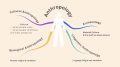 The Art of the Book Review: Beyond Summary, Towards Deeper ConnectionGeneral
 The Art of Crafting a Compelling Book Review: Beyond Summary and CritiqueGeneral
 Crafting Compelling Book Reviews: Beyond Summary, Towards InfluenceGeneral
- The Quintessential Watch Collection: A 30-Year Journey and Lessons for Ugandan LearnersGeneral
 KAKURU BENARDSample Activity of Integration on Forests, Forest resources and Forestry in Africa
- KAKURU BENARDSample Activity of Integration on Trade within and outside East Africa
 Babirye SandraO-LEVEL ENTREPRENUERSHIP,PETTY CASHBOOK ASSIGNMENT
- Babirye SandraO-LEVEL ENTREPRENUERSHIP,PETTY CASHBOOK ASSIGNMENT
- Babirye SandraO-LEVEL ENTREPRENUERSHIP,PETTY CASHBOOK ASSIGNMENT
0 responses on "Navigating the Noise: Decoding Job Trends, Education Shifts, and Global Headlines"