
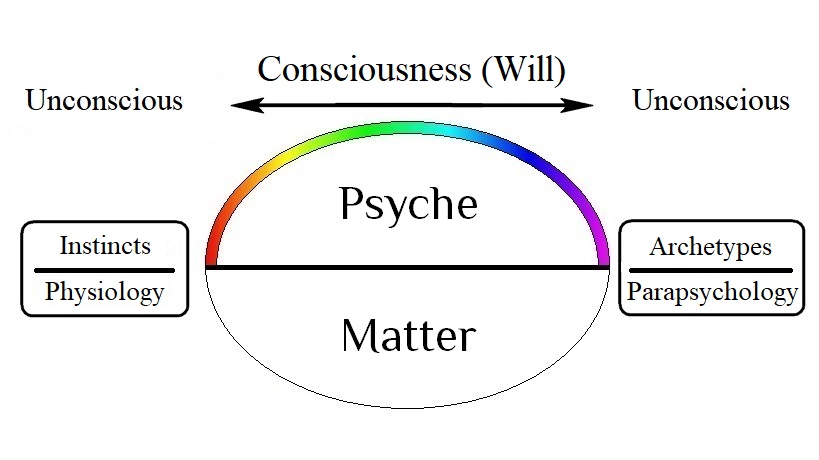
Carl Jung: A Comprehensive Overview
Full Name: Carl Gustav Jung
Lifespan: 1875 – 1961
Origin: Swiss
Core Disciplines: Psychiatry, Psychology, Analytical Psychology

Global Significance: Carl Jung, a groundbreaking psychiatrist, is celebrated as the architect of analytical psychology. His innovative ideas have left an indelible mark on diverse fields, including psychiatry, psychology, anthropology, literature, and religious studies. Key concepts such as the collective unconscious, archetypes, the process of individuation, and psychological types are now essential for grasping the complexities of the human psyche and have profoundly shaped global intellectual and cultural landscapes.
Early Life and Influences
Born in Kesswil, Switzerland, in 1875, Carl Gustav Jung’s formative years were steeped in a rich blend of religious and mystical influences. His father served as a pastor in the Swiss Reformed Church, while his mother’s lineage was characterized by a tradition of spiritual exploration. Jung’s childhood was punctuated by a multifaceted relationship with his parents, coupled with an intense curiosity about the enigmatic workings of the human mind. From an early age, he experienced powerful dreams and visions, which he later understood as expressions of the unconscious.
Education and Early Career
Jung pursued medical studies at the University of Basel, focusing on psychiatry. He found inspiration in the work of Eugen Bleuler, whom he assisted at the Burghölzli psychiatric hospital in Zurich. It was during this period that Jung began to formulate his distinctive theories concerning mental illness and the unconscious mind. His initial research delved into word association studies, which provided empirical support for his emerging concepts. He later became a senior physician at the hospital.
The Development of Analytical Psychology
Jung’s work diverged from traditional Freudian psychoanalysis, leading him to develop his own unique school of thought: analytical psychology. This approach emphasizes the importance of the individual’s personal history, as well as the collective unconscious, in shaping their psychological makeup.

Key Concepts in Jungian Psychology
- The Collective Unconscious: A shared, universal reservoir of experiences and archetypes inherited from our ancestors.
- Archetypes: Universal patterns or images that reside in the collective unconscious, such as the Mother, the Hero, and the Shadow.
- Individuation: The lifelong process of psychological development, aimed at integrating the conscious and unconscious aspects of the self.
- Psychological Types: Jung identified different personality types based on two primary attitudes (introversion and extraversion) and four functions (thinking, feeling, sensation, and intuition).
Jung’s Relationship with Freud
Initially a close colleague of Sigmund Freud, Jung’s independent thinking eventually led to a significant rift between the two pioneers of psychoanalysis. Jung’s rejection of Freud’s emphasis on sexuality as the primary motivator of human behavior was a major point of contention. Their differing views on the nature of the unconscious also contributed to their separation.
Later Life and Legacy
In his later years, Jung continued to refine and expand upon his theories, exploring topics such as alchemy, mythology, and religion. He traveled extensively, studying different cultures and their symbolic systems. Jung’s work has had a profound impact on various fields, including literature, art, and spirituality. His ideas continue to be relevant and influential in the 21st century.
Major Works by Carl Jung
- Psychology of the Unconscious (1912)
- Psychological Types (1921)
- Modern Man in Search of a Soul (1933)
- Answer to Job (1952)
- Memories, Dreams, Reflections (1961)
The Global Impact of Jungian Thought
Carl Jung’s influence extends far beyond the realm of psychology. His ideas have resonated with artists, writers, theologians, and individuals seeking personal growth and self-understanding. The concept of the archetype, in particular, has been widely adopted in literature and film to create compelling characters and narratives. Jungian therapy continues to be practiced around the world, helping individuals to explore their unconscious and achieve greater wholeness.
If you want a practical next step, you can also check out Heal your past, design your future.
If you want a practical next step, you can also check out Become an Ultimate Master of your life.


 ADVANCED LEVEL BIOLOGY, NEW CURRICULUM, SENIOR FIVEAdvanced Secondary,Biology
  Command Your Timeline: Heal the Past, Design Your FutureIntelligence,Skills Development
  SHAPTA MOCKS 2024
 Ultimate Me: Unlock Your Ultimate Potential & Energy HealingIntelligence,Skills Development
  NLSC: SENIOR THREE AGRICULTUREAgriculture,New Lower Secondary Curriculum,Ordinary Secondary
 What is ChatGPT?General
- Bridging the Digital Divide: Uganda’s Education Revolution Through Digital Literacy and Teacher TrainingGeneral
 Uganda’s Digital Leap: Transforming Primary Education Through TechnologyGeneral
- Uganda’s Education Renaissance: Combating Learning Loss and Empowering EducatorsGeneral
 The Art of the Subjective: Exploring the Nuances of Book ReviewingGeneral
 Crafting the Perfect Book Review: A Guide for Aspiring CriticsGeneral
 Unveiling the Layers: A Deep Dive into Book Reviewing Beyond Plot SummariesGeneral
 The Art of the Book Review: Beyond Summary, Towards Deeper ConnectionGeneral
 The Art of Crafting a Compelling Book Review: Beyond Summary and CritiqueGeneral
 Crafting Compelling Book Reviews: Beyond Summary, Towards InfluenceGeneral
- The Quintessential Watch Collection: A 30-Year Journey and Lessons for Ugandan LearnersGeneral
 KAKURU BENARDSample Activity of Integration on Forests, Forest resources and Forestry in Africa
- KAKURU BENARDSample Activity of Integration on Trade within and outside East Africa
 Babirye SandraO-LEVEL ENTREPRENUERSHIP,PETTY CASHBOOK ASSIGNMENT
- Babirye SandraO-LEVEL ENTREPRENUERSHIP,PETTY CASHBOOK ASSIGNMENT
- Babirye SandraO-LEVEL ENTREPRENUERSHIP,PETTY CASHBOOK ASSIGNMENT
0 responses on "Profile: Carl Jung — Life, Ideas, Teachings & Global Influence"