

Beyond the Classroom: Cultivating Future Leaders in Uganda
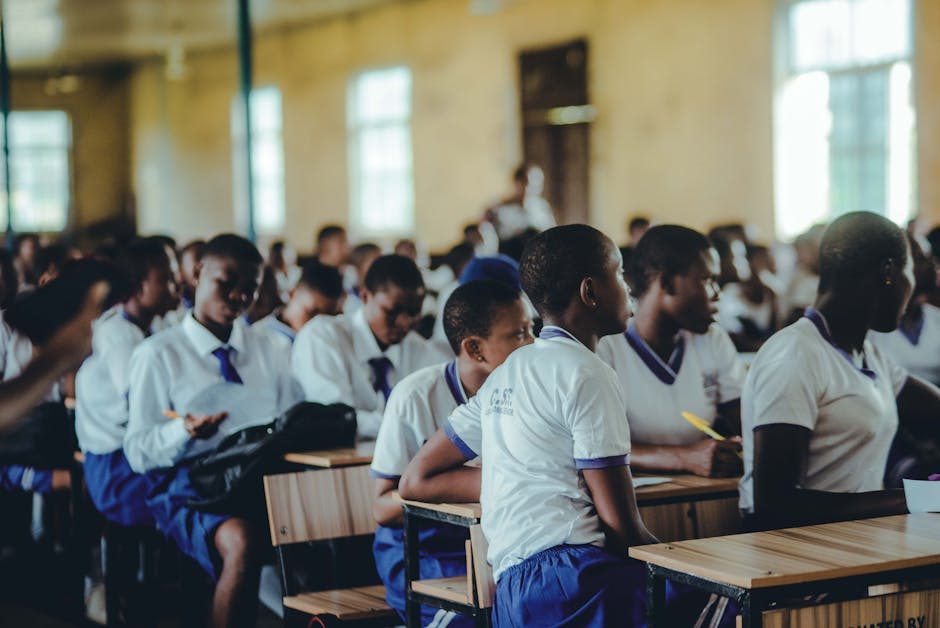
Uganda’s education system stands at a pivotal moment. The focus is shifting from rote memorization and exam-centric learning to a more comprehensive approach that nurtures well-rounded individuals. This new vision acknowledges that academic success is only one facet of a student’s potential. The goal is to develop critical thinking, creativity, emotional resilience, and practical skills, preparing students to become active and contributing members of society.
From Theory to Practice: Equipping Students for the Real World
One of the significant hurdles in Ugandan education is the gap between classroom learning and the demands of the workforce. Traditional curricula often emphasize theoretical knowledge, leaving graduates ill-equipped for the practical challenges of employment. A growing movement is advocating for integrating hands-on training and entrepreneurial skills into the education system. For example, students could participate in agricultural projects to learn about sustainable farming practices or engage in coding workshops to develop valuable tech skills. By providing opportunities for practical application, education can empower students to create their own economic opportunities and contribute to national development. Imagine a student in rural Uganda learning to repair solar panels, providing a valuable service to their community while earning a living.
The Power of Emotional Intelligence: Building Resilient Individuals
Beyond academic prowess, emotional intelligence is essential for navigating the complexities of life. This includes self-awareness, empathy, and the ability to manage emotions effectively. Schools are increasingly recognizing the importance of incorporating social-emotional learning (SEL) programs into the curriculum. These programs teach students how to communicate effectively, resolve conflicts peacefully, and build strong relationships. For instance, role-playing exercises can help students understand different perspectives and develop empathy. By nurturing emotional well-being, education can create a supportive environment where students feel empowered to take risks, express themselves, and reach their full potential. Consider a student who learns to manage their anxiety before an exam, allowing them to perform at their best.
Navigating the Challenges: Strengthening Uganda’s Education Foundation
While the emphasis on holistic development is commendable, the Ugandan education system faces persistent challenges that impede progress. These include:

- Resource Constraints: Limited funding results in overcrowded classrooms, inadequate learning materials, and underpaid teachers, impacting the quality of education.
- Teacher Development: Many teachers lack the necessary training and resources to implement innovative teaching methods and cater to the diverse learning needs of their students.
- Curriculum Relevance: The curriculum may not always align with the needs of the local economy or prepare students for the rapidly evolving demands of the 21st century.
- Unequal Access: Disparities in access to quality education persist between urban and rural areas, and among different socioeconomic groups, creating inequalities in opportunity.
Strategies for Progress: A Collaborative Approach
Addressing these challenges requires a collaborative effort involving the government, educators, parents, and the wider community. Key strategies include:
- Increased Investment: Allocating more resources to education is crucial for improving infrastructure, providing essential learning materials, and attracting and retaining qualified teachers.
- Enhanced Teacher Training: Providing ongoing professional development opportunities for teachers is essential for equipping them with the skills and knowledge to implement effective teaching practices.
- Curriculum Innovation: Revising the curriculum to align with the needs of the local economy and the demands of the 21st century is essential for preparing students for success.
- Promoting Equity: Implementing policies and programs that promote equal access to quality education for all students, regardless of their background or location, is crucial for fostering a more equitable society.
Harnessing Technology: Transforming the Learning Landscape
Technology has the potential to revolutionize education in Uganda, providing students with access to a wealth of information and resources. Online learning platforms, educational apps, and digital textbooks can complement traditional classroom instruction and enhance learning outcomes. Furthermore, technology can facilitate personalized learning, allowing students to learn at their own pace and focus on areas where they need the most support. For example, a student struggling with mathematics can use online tutorials and practice exercises to improve their understanding. However, it is crucial to bridge the digital divide and ensure that all students have access to technology and the internet.
Effective Technology Integration: A Strategic Approach
To effectively leverage technology in education, it is essential to:
- Empower Teachers: Provide teachers with comprehensive training on how to effectively integrate technology into their teaching practices, enabling them to create engaging and interactive learning experiences.
- Develop Relevant Content: Create high-quality digital content that is aligned with the curriculum and relevant to the local context, ensuring that students are learning material that is both engaging and meaningful.
- Expand Access: Ensure that all students have access to computers, tablets, and reliable internet connectivity, bridging the digital divide and creating equal opportunities for learning.
Conclusion: Investing in Uganda’s Future: A Call to Action
By embracing holistic approaches to student development, addressing key challenges, and harnessing the power of technology, Uganda can create an education system that empowers students to thrive in the 21st century. Investing in education is an investment in the future of Uganda, and it is essential for building a more prosperous, equitable, and sustainable society. This requires a collective commitment from the government, educators, parents, and the wider community to prioritize education and work together to create a brighter future for all Ugandan students.
If you want a practical next step, you can also check out Heal your past, design your future.
If you want a practical next step, you can also check out Become an Ultimate Master of your life.


 ADVANCED LEVEL BIOLOGY, NEW CURRICULUM, SENIOR FIVEAdvanced Secondary,Biology
  Command Your Timeline: Heal the Past, Design Your FutureIntelligence,Skills Development
  SHAPTA MOCKS 2024
 Ultimate Me: Unlock Your Ultimate Potential & Energy HealingIntelligence,Skills Development
  NLSC: SENIOR THREE AGRICULTUREAgriculture,New Lower Secondary Curriculum,Ordinary Secondary
 What is ChatGPT?General
- Bridging the Digital Divide: Uganda’s Education Revolution Through Digital Literacy and Teacher TrainingGeneral
 Uganda’s Digital Leap: Transforming Primary Education Through TechnologyGeneral
- Uganda’s Education Renaissance: Combating Learning Loss and Empowering EducatorsGeneral
 The Art of the Subjective: Exploring the Nuances of Book ReviewingGeneral
 Crafting the Perfect Book Review: A Guide for Aspiring CriticsGeneral
 Unveiling the Layers: A Deep Dive into Book Reviewing Beyond Plot SummariesGeneral
 The Art of the Book Review: Beyond Summary, Towards Deeper ConnectionGeneral
 The Art of Crafting a Compelling Book Review: Beyond Summary and CritiqueGeneral
 Crafting Compelling Book Reviews: Beyond Summary, Towards InfluenceGeneral
- The Quintessential Watch Collection: A 30-Year Journey and Lessons for Ugandan LearnersGeneral
 KAKURU BENARDSample Activity of Integration on Forests, Forest resources and Forestry in Africa
- KAKURU BENARDSample Activity of Integration on Trade within and outside East Africa
 Babirye SandraO-LEVEL ENTREPRENUERSHIP,PETTY CASHBOOK ASSIGNMENT
- Babirye SandraO-LEVEL ENTREPRENUERSHIP,PETTY CASHBOOK ASSIGNMENT
- Babirye SandraO-LEVEL ENTREPRENUERSHIP,PETTY CASHBOOK ASSIGNMENT
0 responses on "Bridging the Gap: Holistic Approaches to Student Success in Uganda's Education System"