
Uganda’s Education: A New Era Dawns (2026)
The year is 2026. Uganda’s education system, once grappling with significant hurdles, stands at a pivotal juncture. Years of targeted reforms, buttressed by strong global partnerships, are beginning to yield tangible results, showcasing a nation dedicated to empowering its youth through quality education. What specific advancements have materialized, and how have international alliances catalyzed this progress?
Reforms in Action: Shaping the Future of Education
Uganda’s educational transformation is a multifaceted, ongoing process. A cornerstone has been the modernization of the curriculum, moving away from rote memorization towards skills-based learning, equipping students with abilities relevant to the evolving job market. For example, coding is now a required subject from primary level 4. Teacher development programs have undergone a significant overhaul, emphasizing continuous professional development and integrating innovative teaching methodologies, such as project-based learning and the flipped classroom model. Substantial resources have also been channeled into improving infrastructure, especially in marginalized communities, ensuring equitable access to educational opportunities for all children, irrespective of their background or location. This commitment extends to providing solar power to rural schools, enabling access to digital resources even without grid electricity. Challenges remain, but the dedication to progress persists.
The Power of Partnerships: Global Support for Education
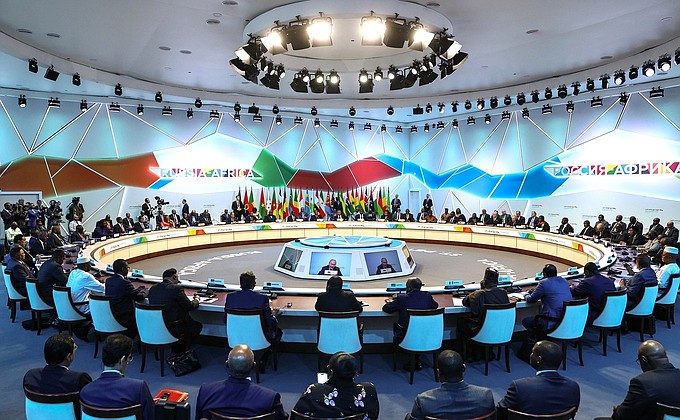
The impact of international collaborations on Uganda’s educational advancement is undeniable. Organizations like the Global Partnership for Education (GPE), the United Nations Children’s Fund (UNICEF), and bilateral donors from countries like Canada and the UK have provided crucial financial and technical assistance, facilitating the implementation of key reforms. These partnerships have fostered the exchange of best practices, for instance, adapting successful vocational training models from Germany to the Ugandan context. The collaboration has also ensured that Uganda is up-to-date with current best practices and research into education.
Transformative Initiatives: Key Focus Areas
Uganda’s educational reforms have prioritized key areas to build a more effective and equitable system. These include enhancing early childhood education, promoting inclusive education, and strengthening vocational training. Each area presents unique challenges and opportunities, and progress in each contributes to the overall transformation.

Early Childhood Education: Building a Strong Foundation
Recognizing the importance of early childhood development, Uganda has expanded access to quality pre-primary education programs. These programs focus on play-based learning, social-emotional development, and early literacy and numeracy skills. For instance, community-based kindergartens have been established in rural areas to reach children who would otherwise not have access to early education. These kindergartens offer a nurturing environment where children can develop essential skills and prepare for primary school.
Inclusive Education: Leaving No Child Behind
Uganda is committed to providing education for all children, including those with disabilities and other special needs. Inclusive education programs are being implemented to ensure that all children have access to quality education in mainstream schools. Teachers are being trained to support students with diverse learning needs, and schools are being adapted to be more accessible. For example, ramps and accessible toilets are being installed in schools to accommodate students with physical disabilities.
Vocational Training: Equipping Students for the Workforce
To address the skills gap and prepare students for the workforce, Uganda has expanded vocational training programs. These programs offer practical skills in areas such as agriculture, construction, and tourism. Students are learning skills that are in demand in the local economy, increasing their chances of finding employment after graduation. For example, vocational schools are partnering with local businesses to provide students with internships and apprenticeships.
Navigating Challenges, Seizing Opportunities
Despite significant progress, Uganda’s education system continues to face challenges. These include teacher shortages, inadequate infrastructure, and persistent inequalities. However, there are also opportunities for further improvement. By addressing these challenges and capitalizing on these opportunities, Uganda can continue to build a world-class education system that empowers its young people and drives economic growth.
- Recruiting and retaining qualified teachers through competitive salaries and professional development opportunities.
- Investing in infrastructure improvements, particularly in rural areas.
- Promoting gender equality in education to ensure that girls have equal access to opportunities.
- Strengthening partnerships with the private sector to provide internships and apprenticeships for students.
Looking Ahead: A Brighter Future for Ugandan Education
Uganda’s education transformation is a journey of continuous improvement. By continuing to invest in reforms, foster global alliances, and address the challenges that remain, Uganda can achieve its vision of providing high-quality education for all its children. The future of Uganda depends on the education of its young people, and the country is committed to ensuring that they have the opportunity to reach their full potential. By 2030, Uganda aims to have one of the highest literacy rates in Africa, a testament to its commitment to education.
If you want a practical next step, you can also check out Heal your past, design your future.
If you want a practical next step, you can also check out Become an Ultimate Master of your life.


 ADVANCED LEVEL BIOLOGY, NEW CURRICULUM, SENIOR FIVEAdvanced Secondary,Biology
  Command Your Timeline: Heal the Past, Design Your FutureIntelligence,Skills Development
  SHAPTA MOCKS 2024
 Ultimate Me: Unlock Your Ultimate Potential & Energy HealingIntelligence,Skills Development
  NLSC: SENIOR THREE AGRICULTUREAgriculture,New Lower Secondary Curriculum,Ordinary Secondary
 What is ChatGPT?General
- Bridging the Digital Divide: Uganda’s Education Revolution Through Digital Literacy and Teacher TrainingGeneral
 Uganda’s Digital Leap: Transforming Primary Education Through TechnologyGeneral
- Uganda’s Education Renaissance: Combating Learning Loss and Empowering EducatorsGeneral
 The Art of the Subjective: Exploring the Nuances of Book ReviewingGeneral
 Crafting the Perfect Book Review: A Guide for Aspiring CriticsGeneral
 Unveiling the Layers: A Deep Dive into Book Reviewing Beyond Plot SummariesGeneral
 The Art of the Book Review: Beyond Summary, Towards Deeper ConnectionGeneral
 The Art of Crafting a Compelling Book Review: Beyond Summary and CritiqueGeneral
 Crafting Compelling Book Reviews: Beyond Summary, Towards InfluenceGeneral
- The Quintessential Watch Collection: A 30-Year Journey and Lessons for Ugandan LearnersGeneral
 KAKURU BENARDSample Activity of Integration on Forests, Forest resources and Forestry in Africa
- KAKURU BENARDSample Activity of Integration on Trade within and outside East Africa
 Babirye SandraO-LEVEL ENTREPRENUERSHIP,PETTY CASHBOOK ASSIGNMENT
- Babirye SandraO-LEVEL ENTREPRENUERSHIP,PETTY CASHBOOK ASSIGNMENT
- Babirye SandraO-LEVEL ENTREPRENUERSHIP,PETTY CASHBOOK ASSIGNMENT

0 responses on "Uganda's Education Transformation: A 2026 Impact Analysis of Reforms and Global Alliances"