Full Name: Carl Gustav Jung
Life Span: 1875–1961
Origin: Swiss
Areas of Expertise: Psychiatry, Psychology, Philosophy, Spirituality
Global Impact: Carl Jung, a groundbreaking figure in psychiatry and psychoanalysis, established analytical psychology. His influential work extends beyond psychology, impacting fields like philosophy, anthropology, literature, and religious thought. Jung’s ideas, including the collective unconscious, archetypes, and the process of individuation, remain relevant for those exploring self-discovery and purpose.
Born in Kesswil, Switzerland, Carl Jung’s upbringing was steeped in religious tradition. His father served as a pastor in the Swiss Reformed Church, and his mother’s family had deep roots in theology. Jung’s formative years were characterized by a vibrant inner world and a deep curiosity about dreams, visions, and the enigmatic aspects of the human psyche.
He pursued medical studies at the University of Basel, with a focus on psychiatry. Early influences included Pierre Janet, a prominent French psychologist, and Eugen Bleuler, the director of the Burghölzli mental hospital in Zurich, where Jung commenced his psychiatric practice. These experiences played a crucial role in shaping his initial perspectives on mental illnesses and the workings of the unconscious mind.
A defining moment in Jung’s intellectual journey was his exchange of ideas and subsequent partnership with Sigmund Freud. This collaboration had a significant influence on Jung’s theoretical framework.
Jung’s association with Sigmund Freud marked a pivotal period in his career. Initially, he was a fervent supporter of Freud’s psychoanalytic theories and played a key role in promoting psychoanalysis. He became the first president of the International Psychoanalytic Association. However, as Jung delved deeper into his research and personal experiences, fundamental differences in their perspectives began to emerge.
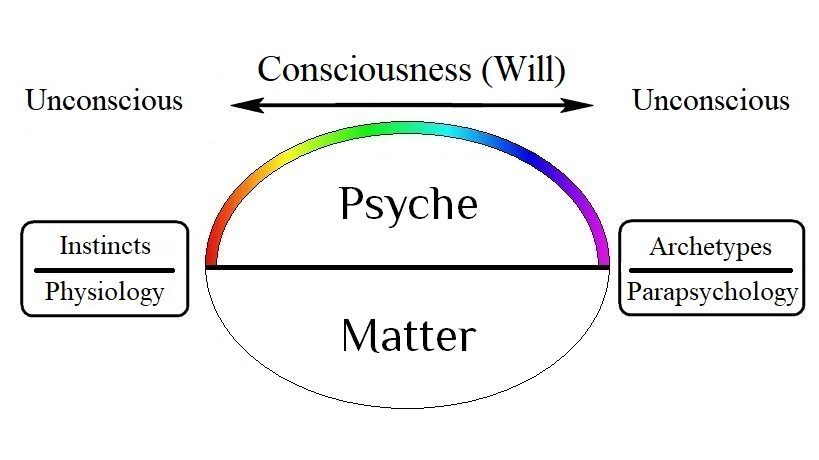
The primary point of contention revolved around the nature of the unconscious. While Freud emphasized the personal unconscious, rooted in repressed experiences, Jung proposed the concept of the collective unconscious, a universal reservoir of archetypes and primordial images inherited from our ancestors. This divergence, along with other theoretical disagreements, eventually led to a painful but necessary separation between Jung and Freud, marking the birth of Jung’s own school of thought: Analytical Psychology.
Jung’s Analytical Psychology is characterized by several core concepts that distinguish it from Freudian psychoanalysis:
Carl Jung’s influence extends far beyond the realm of psychology. His ideas have permeated various disciplines, including:
Jung’s legacy continues to inspire and challenge individuals to explore the depths of their own psyches and to embrace the journey of becoming whole.
To delve deeper into the works of Carl Jung, consider exploring the following resources:
If you want a practical next step, you can also check out Heal your past, design your future.
If you want a practical next step, you can also check out Become an Ultimate Master of your life.
Long before pharmaceutical companies began bottling stress relief, healers across South Asia were grinding a…
Most people chasing AI literacy are solving the wrong problem — and that mistake could…
What if you could build a thriving social media channel without showing your face, spending…
The landscape of free AI voice generation has shifted dramatically — and those who haven't…
Ashwagandha is one of those rare botanical remedies that has survived millennia of scrutiny —…
While many traditional remedies have faded from relevance as modern medicine advanced, ashwagandha has taken…



Leave a Comment