

A Brighter Future: Reimagining Special Education in Uganda
For too long, special education in Uganda has faced significant hurdles: limited funding, inadequate infrastructure, and a shortage of qualified teachers. However, a wave of innovation is sweeping across the nation, offering new hope and opportunities for children with disabilities to access quality education and reach their full potential. This article explores the transformative efforts and strategies being implemented to strengthen special education throughout Uganda.
Addressing the Need: Supporting a Vulnerable Population
Like many developing countries, Uganda’s education system has historically struggled to effectively integrate students with special needs. Insufficient resources, societal biases, and a lack of awareness have contributed to a system where many children with disabilities are either excluded from mainstream schools or receive inadequate support. The challenges are multifaceted:
- Financial Constraints: Specialized equipment, assistive technologies, and tailored learning materials are often scarce.
- Teacher Training Gaps: There is a critical need for more teachers trained to effectively address the diverse needs of students with disabilities.
- Accessibility Barriers: Many school buildings lack essential accessibility features, such as ramps and accessible restrooms, hindering the participation of students with mobility impairments.
- Social Stigma: Negative attitudes and misconceptions about disability can lead to isolation and discrimination.
Pioneering Approaches and Programs
Despite these obstacles, a surge of pioneering approaches and programs is emerging in Uganda, bringing renewed hope and improved outcomes for children with special needs. These initiatives are focused on several key areas:
Community-Based Inclusive Development (CBID)
CBID programs are playing a vital role in connecting children with disabilities to their communities and promoting inclusion. These programs prioritize:

- Early Intervention: Identifying children with special needs early on to ensure timely access to support services.
- Family Empowerment: Providing families with the knowledge and resources to advocate for their children’s rights and support their development at home.
- Community Awareness: Educating communities about disability and promoting inclusive attitudes and practices.
Adaptive Technologies and Personalized Learning
The use of adaptive technologies and personalized learning approaches is revolutionizing the learning experience for many students. Examples include:
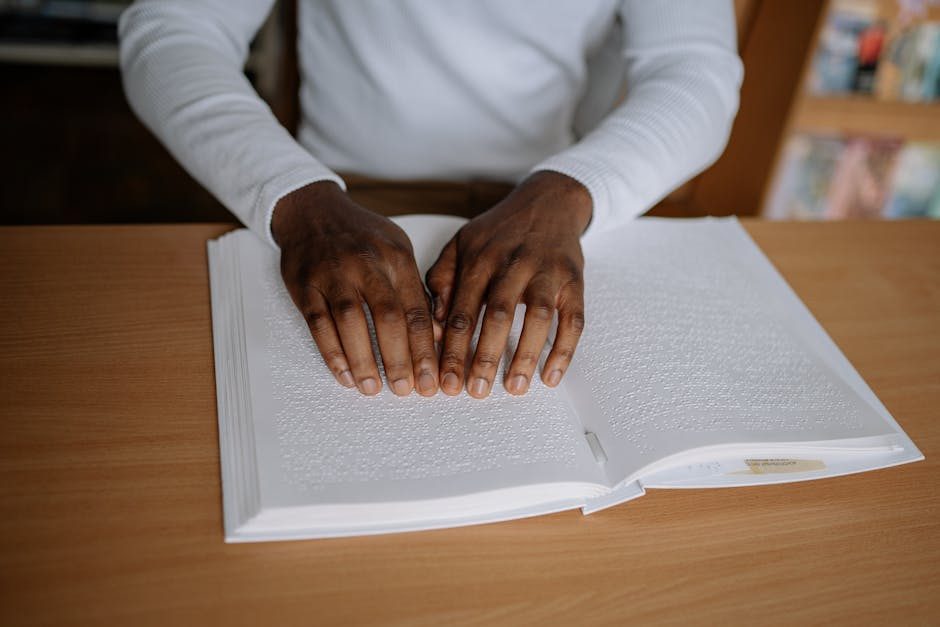
- Accessible Learning Materials: Providing materials in alternative formats, such as Braille, large print, and audio, to meet the diverse needs of learners.
- Communication Aids: Utilizing communication boards, speech-generating devices, and other assistive technologies to support students with communication difficulties.
- Personalized Learning Plans: Developing individualized learning plans that address each student’s unique strengths, needs, and goals.
Inclusive Education Policies and Practices
The Ugandan government is increasingly committed to fostering inclusive education policies and practices, with the goal of:
- Mainstreaming Students with Disabilities: Integrating students with disabilities into mainstream classrooms whenever appropriate, while providing necessary supports.
- Providing Ongoing Professional Development: Offering continuous training and support to teachers on inclusive teaching strategies and accommodations.
- Investing in Resources: Allocating additional funding and resources to support special education programs and services.
Harnessing the Power of Technology in Special Education
Technology is transforming special education by providing tools and platforms that cater to diverse learning needs. From interactive learning games to assistive devices, technology is empowering students and teachers alike. Consider the example of a student with dyslexia using text-to-speech software to access reading materials and improve comprehension.
Illustrative Examples of Technological Support
Several technological interventions are making a real difference:
| Technology | Functionality | Benefit |
|---|---|---|
| Eye-Tracking Technology | Allows users to control computers and other devices with their eye movements. | Enables individuals with motor impairments to access technology and communicate more effectively. |
| Gamified Learning Apps | Use game-like elements to engage students and make learning more fun. | Motivate students to learn and improve their skills in a variety of areas. |
| Augmented Reality (AR) | Overlays digital information onto the real world. | Provides students with visual and interactive learning experiences, such as virtual field trips. |
Remaining Challenges and Future Priorities
While significant strides have been made, several challenges persist. These include:
- Securing Long-Term Funding: Ensuring sustainable and reliable funding for special education programs and initiatives.
- Replicating Successful Models: Scaling up effective pilot programs to benefit more children throughout the country.
- Eliminating Stigma and Discrimination: Continuing to challenge negative attitudes and promote acceptance and inclusion of individuals with disabilities.
Looking ahead, Uganda’s commitment to special education must prioritize collaboration among government agencies, non-governmental organizations, educators, families, and communities. By working together, we can create a more inclusive and equitable education system for all children, regardless of their abilities. Continued investment in teacher training, accessible infrastructure, and innovative technologies is crucial to unlocking the full potential of Uganda’s children with special needs and building a brighter, more inclusive future for all. Imagine a Uganda where every child, regardless of their ability, has the opportunity to thrive and contribute to society.
If you want a practical next step, you can also check out Heal your past, design your future.
If you want a practical next step, you can also check out Become an Ultimate Master of your life.


 ADVANCED LEVEL BIOLOGY, NEW CURRICULUM, SENIOR FIVEAdvanced Secondary,Biology
  Command Your Timeline: Heal the Past, Design Your FutureIntelligence,Skills Development
  SHAPTA MOCKS 2024
 Ultimate Me: Unlock Your Ultimate Potential & Energy HealingIntelligence,Skills Development
  NLSC: SENIOR THREE AGRICULTUREAgriculture,New Lower Secondary Curriculum,Ordinary Secondary
 What is ChatGPT?General
- Bridging the Digital Divide: Uganda’s Education Revolution Through Digital Literacy and Teacher TrainingGeneral
 Uganda’s Digital Leap: Transforming Primary Education Through TechnologyGeneral
- Uganda’s Education Renaissance: Combating Learning Loss and Empowering EducatorsGeneral
 The Art of the Subjective: Exploring the Nuances of Book ReviewingGeneral
 Crafting the Perfect Book Review: A Guide for Aspiring CriticsGeneral
 Unveiling the Layers: A Deep Dive into Book Reviewing Beyond Plot SummariesGeneral
 The Art of the Book Review: Beyond Summary, Towards Deeper ConnectionGeneral
 The Art of Crafting a Compelling Book Review: Beyond Summary and CritiqueGeneral
 Crafting Compelling Book Reviews: Beyond Summary, Towards InfluenceGeneral
- The Quintessential Watch Collection: A 30-Year Journey and Lessons for Ugandan LearnersGeneral
 KAKURU BENARDSample Activity of Integration on Forests, Forest resources and Forestry in Africa
- KAKURU BENARDSample Activity of Integration on Trade within and outside East Africa
 Babirye SandraO-LEVEL ENTREPRENUERSHIP,PETTY CASHBOOK ASSIGNMENT
- Babirye SandraO-LEVEL ENTREPRENUERSHIP,PETTY CASHBOOK ASSIGNMENT
- Babirye SandraO-LEVEL ENTREPRENUERSHIP,PETTY CASHBOOK ASSIGNMENT
0 responses on "Innovations in Special Needs Education: A Ugandan Perspective"