
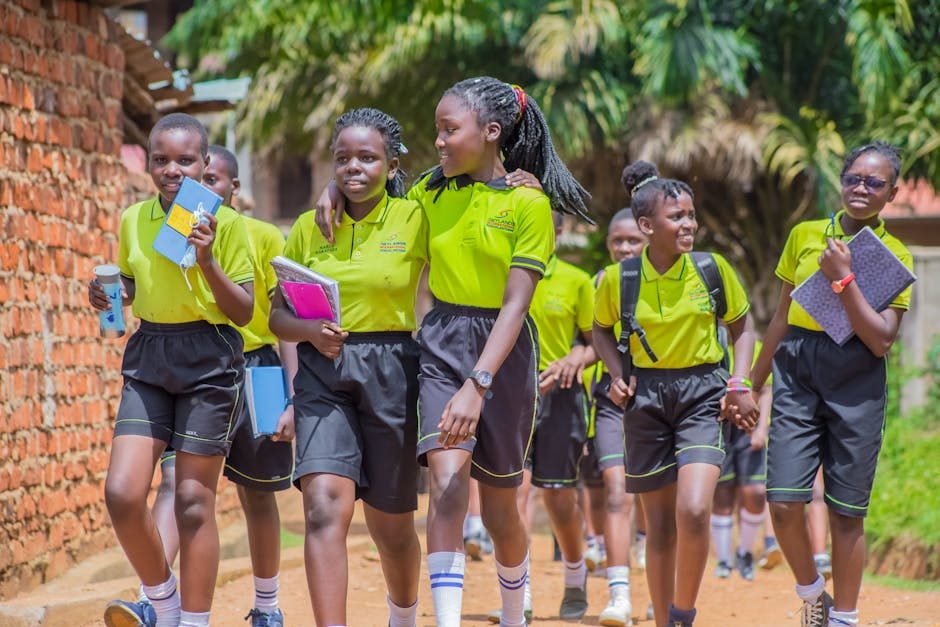
Beyond the Classroom Walls: Transforming Rural Education in Uganda
While Uganda strives for educational advancement, a significant disparity persists between urban and rural learning environments. Children in rural areas face unique challenges that hinder their academic progress and limit their future prospects. This article explores these obstacles and highlights innovative strategies designed to bridge the educational divide, fostering a brighter future for rural Ugandan students.
Building Blocks: Addressing Infrastructure Deficiencies
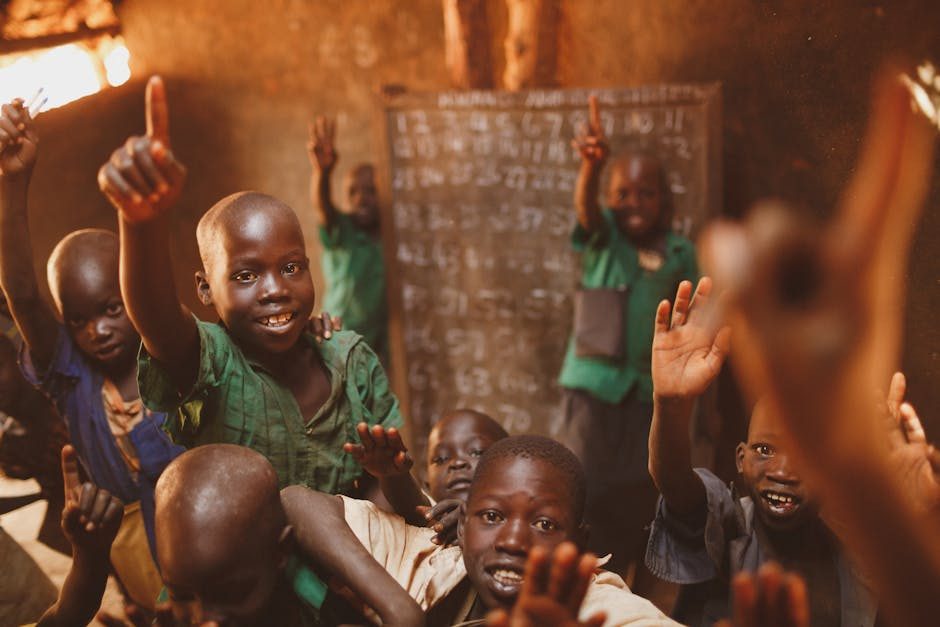
A fundamental challenge in rural Ugandan education is the lack of adequate infrastructure. Many schools struggle with insufficient classrooms, inadequate seating, and limited sanitation facilities. Overcrowding makes it difficult for teachers to provide individualized attention. The absence of reliable electricity restricts learning opportunities, especially after school hours. Consider Nabukalu Primary School, where students often share textbooks due to limited resources, highlighting the urgent need for improved infrastructure. Furthermore, the lack of clean water sources impacts hygiene and attendance. Addressing these basic needs is crucial for creating a conducive learning environment.
Harnessing Technology: Opportunities and Limitations
Technology holds immense potential for transforming education, but its implementation in rural Uganda faces significant hurdles. Limited electricity and internet access pose major challenges. Even when technology is available, teachers may lack the necessary training to integrate it effectively into their lessons. The digital divide extends to students’ homes, where access to devices and internet connectivity is often nonexistent. However, initiatives like solar-powered learning hubs and offline educational apps are emerging to mitigate these challenges. For instance, the use of RACHEL-Plus servers provides offline access to educational resources, empowering students even without internet connectivity.
Investing in Educators: Training and Support Systems
The quality of teaching is paramount to student success. Rural schools often struggle to attract and retain qualified teachers, who face inadequate training, limited resources, and a lack of ongoing professional development. Isolation and inadequate support systems further compound these challenges. Investing in comprehensive teacher training programs, providing ongoing mentorship, and offering competitive salaries and benefits are essential steps. Organizations like Teach For Uganda are working to address this issue by placing talented graduates in underserved schools and providing them with ongoing support. Creating opportunities for teachers to collaborate and share best practices can also foster a more supportive and effective teaching environment.

Community as Cornerstone: Fostering Local Engagement
Engaging local communities is vital for the success of any educational initiative. When parents, community leaders, and local organizations actively support schools, student outcomes improve significantly. Community involvement can take many forms, from volunteering time to providing financial support. By fostering a sense of ownership and shared responsibility, communities can play a crucial role in bridging the educational gap. For example, community members can participate in school governance, contribute to school maintenance, and support students’ learning at home. The “Schools for Africa” program exemplifies this approach by empowering communities to take ownership of their schools.
Relevant Learning: Tailoring Curriculum to Local Contexts
Ensuring that the curriculum is relevant to the local context and the needs of students is critical. A curriculum focused solely on theoretical knowledge without real-world applications can be disengaging. Integrating vocational training, agricultural education, and entrepreneurship skills can equip students with practical skills relevant to the local economy, increasing their opportunities for employment and self-sufficiency. Consider a curriculum that teaches sustainable farming practices, enabling students to contribute to their families’ livelihoods while gaining valuable skills.
Beacons of Progress: Examples of Innovation
Despite the challenges, numerous innovative solutions are being implemented to improve education in rural Uganda. These include:
- Mobile learning programs delivering educational content via smartphones and tablets, such as the Kolibri platform.
- Community-based libraries providing access to books and learning resources, often powered by solar energy.
- Teacher training programs focusing on practical, hands-on skills, like the Kyambogo University Primary Teacher Education program.
- Partnerships between schools and local businesses providing students with real-world learning opportunities, fostering entrepreneurship.
- The use of radio programs to deliver educational content to remote communities, overcoming geographical barriers.
- Mentorship programs pairing students with successful professionals from their communities, providing guidance and inspiration.
Investing in Potential: A Vision for Uganda’s Future
Addressing educational disparities in rural Uganda requires a multi-faceted approach addressing infrastructure deficits, improving teacher quality, fostering community involvement, ensuring curriculum relevance, and leveraging technology effectively. This necessitates strong government commitment, increased funding for rural schools, and effective monitoring and evaluation of educational programs. By investing in education, Uganda can unlock the potential of its rural communities and build a brighter future for all its citizens. A focus on equitable resource allocation and targeted interventions for the most vulnerable populations is essential to ensure that no child is left behind, transforming rural schools from places of challenge to centers of opportunity.
If you want a practical next step, you can also check out Heal your past, design your future.
If you want a practical next step, you can also check out Become an Ultimate Master of your life.


 ADVANCED LEVEL BIOLOGY, NEW CURRICULUM, SENIOR FIVEAdvanced Secondary,Biology
  Command Your Timeline: Heal the Past, Design Your FutureIntelligence,Skills Development
  SHAPTA MOCKS 2024
 Ultimate Me: Unlock Your Ultimate Potential & Energy HealingIntelligence,Skills Development
  NLSC: SENIOR THREE AGRICULTUREAgriculture,New Lower Secondary Curriculum,Ordinary Secondary
 What is ChatGPT?General
- Bridging the Digital Divide: Uganda’s Education Revolution Through Digital Literacy and Teacher TrainingGeneral
 Uganda’s Digital Leap: Transforming Primary Education Through TechnologyGeneral
- Uganda’s Education Renaissance: Combating Learning Loss and Empowering EducatorsGeneral
 The Art of the Subjective: Exploring the Nuances of Book ReviewingGeneral
 Crafting the Perfect Book Review: A Guide for Aspiring CriticsGeneral
 Unveiling the Layers: A Deep Dive into Book Reviewing Beyond Plot SummariesGeneral
 The Art of the Book Review: Beyond Summary, Towards Deeper ConnectionGeneral
 The Art of Crafting a Compelling Book Review: Beyond Summary and CritiqueGeneral
 Crafting Compelling Book Reviews: Beyond Summary, Towards InfluenceGeneral
- The Quintessential Watch Collection: A 30-Year Journey and Lessons for Ugandan LearnersGeneral
 KAKURU BENARDSample Activity of Integration on Forests, Forest resources and Forestry in Africa
- KAKURU BENARDSample Activity of Integration on Trade within and outside East Africa
 Babirye SandraO-LEVEL ENTREPRENUERSHIP,PETTY CASHBOOK ASSIGNMENT
- Babirye SandraO-LEVEL ENTREPRENUERSHIP,PETTY CASHBOOK ASSIGNMENT
- Babirye SandraO-LEVEL ENTREPRENUERSHIP,PETTY CASHBOOK ASSIGNMENT

0 responses on "Bridging the Gap: Addressing Educational Disparities in Rural Uganda Through Innovation"