
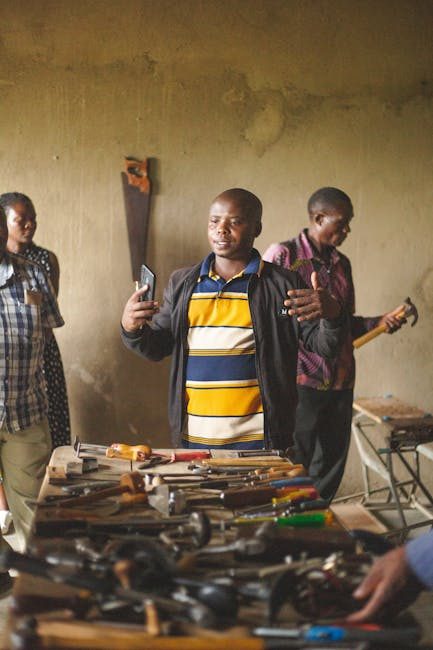
From Classrooms to Careers: Uganda’s New Focus on Practical Skills
Kampala, Uganda – A significant shift is underway in Uganda’s education system, moving beyond traditional academic learning to prioritize practical skills and vocational training. This transformation aims to equip young Ugandans with the tools they need to thrive in a rapidly changing job market and contribute to the nation’s economic growth.
For years, Uganda’s education system has been criticized for producing graduates who lacked the practical skills demanded by employers. This disconnect has contributed to high youth unemployment rates, despite increasing numbers of graduates. Now, the government and educational institutions are working together to bridge this gap by integrating vocational training into the mainstream curriculum and strengthening technical and vocational education and training (TVET) programs.
TVET: The Engine of Uganda’s Skilled Workforce
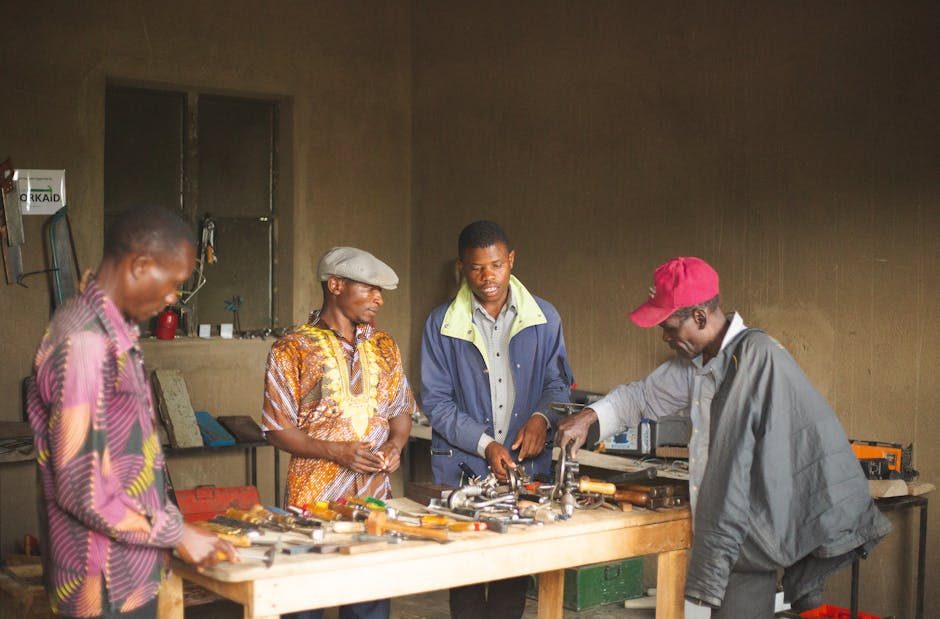
TVET institutions are becoming the cornerstone of Uganda’s efforts to build a skilled workforce. These schools offer specialized training in diverse fields such as agriculture, construction, manufacturing, and tourism, aligning their curricula with the specific needs of various industries. The government is investing heavily in upgrading TVET facilities with modern equipment, recruiting qualified instructors, and fostering partnerships with private companies to ensure that training programs are relevant and up-to-date.
One example of a successful TVET initiative is the “Youth Skills for Employment” program, which provides young people with hands-on training in high-demand sectors like renewable energy and information technology. This program not only equips participants with valuable skills but also helps them secure internships and job placements after graduation.

Pillars of the Skills Development Strategy
Uganda’s vocational training revolution is built on several key pillars, including curriculum reform, infrastructure investment, and strategic partnerships.
- Curriculum Overhaul: The National Curriculum Development Centre (NCDC) is leading the charge in revising curricula to emphasize practical skills, problem-solving, and critical thinking. The goal is to ensure that graduates are not just knowledgeable but also capable of applying their knowledge in real-world settings.
- Investing in Infrastructure: The government is making substantial investments in upgrading existing TVET institutions and establishing new centers of excellence. These centers are equipped with cutting-edge technology and simulate real-world work environments, providing students with a high-quality learning experience. For example, the Nakawa Vocational Training Institute recently underwent a major renovation, transforming it into a state-of-the-art training facility.
- Forging Strategic Alliances: Collaborations between the government, private sector, and development partners are essential for aligning training programs with industry needs and creating pathways to employment for TVET graduates. These partnerships facilitate internships, apprenticeships, and mentorship programs, providing students with valuable work experience and networking opportunities.
Navigating Challenges, Seizing Opportunities
While significant progress has been made, challenges remain in ensuring the long-term success of Uganda’s vocational training programs. These include:
- Securing Sustainable Funding: Consistent and adequate funding is crucial for maintaining and expanding TVET infrastructure, attracting and retaining qualified instructors, and providing scholarships and financial aid to deserving students.
- Empowering Educators: Ongoing professional development for TVET instructors is essential for keeping them up-to-date with the latest industry trends, technologies, and teaching methodologies.
- Strengthening Industry Connections: Ensuring that training programs are aligned with the evolving needs of the labor market requires continuous dialogue and collaboration between educational institutions and industry stakeholders.
However, these challenges also present opportunities for innovation and growth. By addressing these challenges strategically, Uganda can unlock the full potential of its vocational training system and empower its youth to become productive and prosperous members of society.
A Brighter Future Through Skills Development
The future of skills development in Uganda depends on sustained investment in vocational training, close collaboration between education and industry, and a commitment to lifelong learning. As Uganda’s economy continues to diversify and grow, the demand for skilled workers will only increase. By prioritizing vocational training and skills development, Uganda can create a more inclusive and prosperous society for all its citizens, ensuring that young people have the opportunities they need to build successful careers and contribute to the nation’s development.
| Initiative | Description | Example |
|---|---|---|
| Curriculum Overhaul | Revising curricula to emphasize practical skills | Integrating hands-on projects and simulations into engineering courses |
| Investing in Infrastructure | Upgrading TVET institutions with modern equipment | Equipping carpentry workshops with advanced woodworking machinery |
| Forging Strategic Alliances | Collaborations between government, private sector, and NGOs | Partnering with local businesses to provide internships for hospitality students |
If you want a practical next step, you can also check out Heal your past, design your future.
If you want a practical next step, you can also check out Become an Ultimate Master of your life.


 ADVANCED LEVEL BIOLOGY, NEW CURRICULUM, SENIOR FIVEAdvanced Secondary,Biology
  Command Your Timeline: Heal the Past, Design Your FutureIntelligence,Skills Development
  SHAPTA MOCKS 2024
 Ultimate Me: Unlock Your Ultimate Potential & Energy HealingIntelligence,Skills Development
  NLSC: SENIOR THREE AGRICULTUREAgriculture,New Lower Secondary Curriculum,Ordinary Secondary
 What is ChatGPT?General
- Bridging the Digital Divide: Uganda’s Education Revolution Through Digital Literacy and Teacher TrainingGeneral
 Uganda’s Digital Leap: Transforming Primary Education Through TechnologyGeneral
- Uganda’s Education Renaissance: Combating Learning Loss and Empowering EducatorsGeneral
 The Art of the Subjective: Exploring the Nuances of Book ReviewingGeneral
 Crafting the Perfect Book Review: A Guide for Aspiring CriticsGeneral
 Unveiling the Layers: A Deep Dive into Book Reviewing Beyond Plot SummariesGeneral
 The Art of the Book Review: Beyond Summary, Towards Deeper ConnectionGeneral
 The Art of Crafting a Compelling Book Review: Beyond Summary and CritiqueGeneral
 Crafting Compelling Book Reviews: Beyond Summary, Towards InfluenceGeneral
- The Quintessential Watch Collection: A 30-Year Journey and Lessons for Ugandan LearnersGeneral
 KAKURU BENARDSample Activity of Integration on Forests, Forest resources and Forestry in Africa
- KAKURU BENARDSample Activity of Integration on Trade within and outside East Africa
 Babirye SandraO-LEVEL ENTREPRENUERSHIP,PETTY CASHBOOK ASSIGNMENT
- Babirye SandraO-LEVEL ENTREPRENUERSHIP,PETTY CASHBOOK ASSIGNMENT
- Babirye SandraO-LEVEL ENTREPRENUERSHIP,PETTY CASHBOOK ASSIGNMENT

0 responses on "Bridging the Gap: Innovations in Vocational Training and Skills Development in Uganda's Education System"