
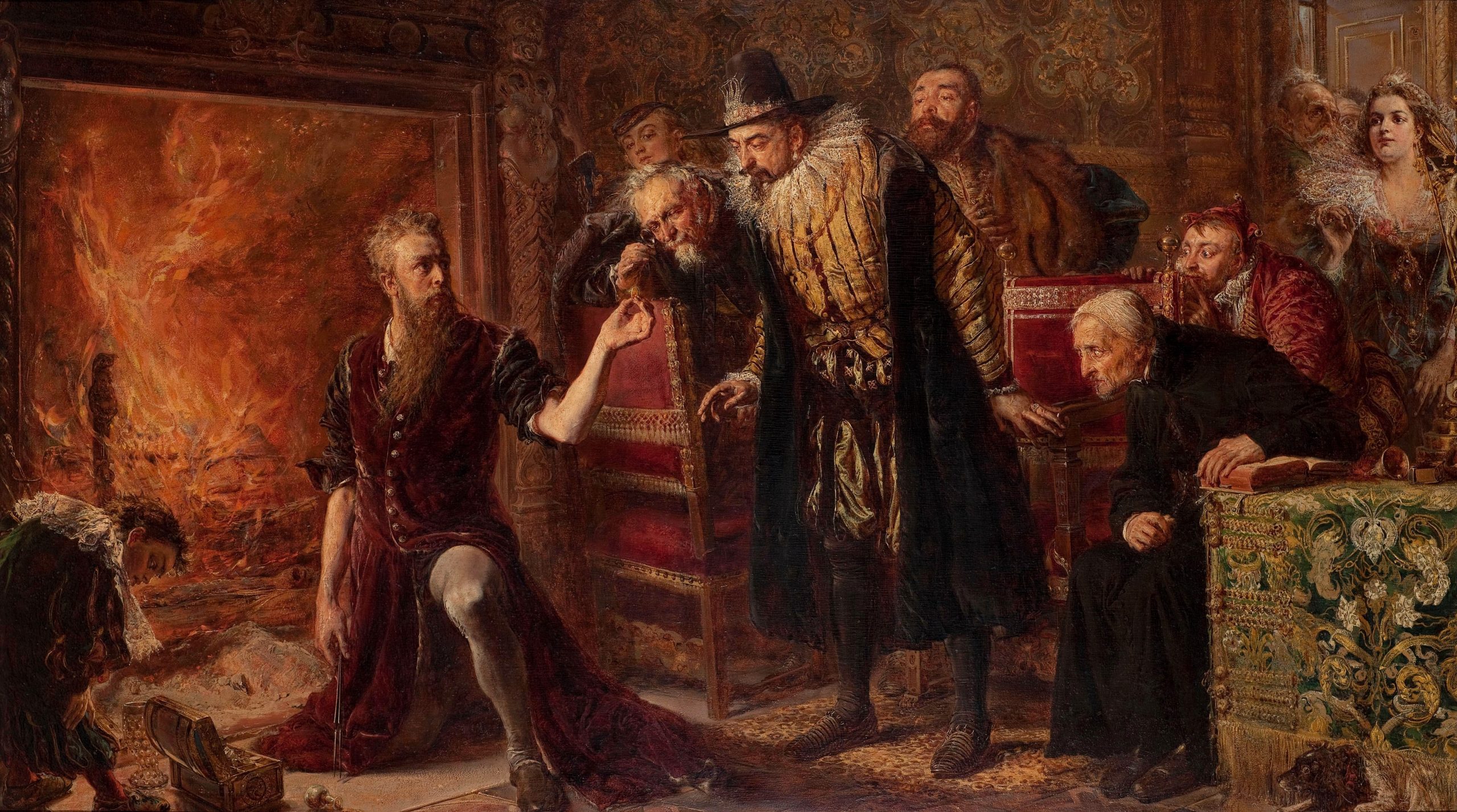

Carl Jung: A Portrait
Name: Carl Gustav Jung
Lifespan: July 26, 1875 – June 6, 1961
Origin: Switzerland
Area of Expertise: Psychiatry, psychology, with a focus on analytical psychology

Global Impact: Jung’s contributions as a psychiatrist and the architect of analytical psychology resonate across diverse disciplines. His revolutionary ideas—the collective unconscious, archetypes, and the journey of individuation—have permeated psychology, literature, the arts, religious studies, and even popular culture, shaping perspectives and inspiring ongoing exploration.
The Genesis of a Mind: Early Years and Influences
Born in Kesswil, Switzerland, Carl Jung’s upbringing was steeped in intellectual and spiritual curiosity. As the son of a pastor, he was immersed in a family with deep roots in religious and academic life. Jung’s childhood was marked by solitude and introspection, fueling his imagination with intense dreams and visions that would later inform his psychological theories.
Jung’s academic journey began in Basel, where he pursued medicine, specializing in the field of psychiatry. He developed a keen interest in understanding mental illnesses and the complexities of the human psyche. During this pivotal period, he was guided by influential figures such as Pierre Janet, a French psychologist whose research on dissociation profoundly impacted Jung’s understanding of the unconscious. Another key mentor was Eugen Bleuler, a Swiss psychiatrist renowned for introducing the term “schizophrenia.”
Early Career and Association with Freud
Jung’s career took a significant turn when he began corresponding with Sigmund Freud, the founder of psychoanalysis. This marked the beginning of a close, yet eventually tumultuous, relationship. Jung became a devoted follower of Freud’s theories, contributing significantly to the development and promotion of psychoanalysis. He was even appointed as the president of the International Psychoanalytic Association.

However, as Jung delved deeper into his own research and experiences, his views began to diverge from Freud’s. These differences ultimately led to a major schism between the two giants of psychology, marking a pivotal moment in the history of the field.
The Divergence from Freudian Theory
The core of the disagreement lay in their differing views on the unconscious. While Freud emphasized the personal unconscious, driven by repressed desires and experiences, Jung proposed the concept of the collective unconscious. This, according to Jung, is a universal reservoir of archetypes and inherited predispositions shared by all humanity.
Another key point of divergence was their understanding of libido. Freud viewed libido primarily as sexual energy, while Jung saw it as a more generalized psychic energy, driving creativity, growth, and individuation.
Analytical Psychology: Core Concepts
Following his break with Freud, Jung developed his own distinct school of thought, known as analytical psychology. This approach emphasizes the importance of understanding the individual’s unique journey of self-discovery and integration.
The Collective Unconscious and Archetypes
The collective unconscious is a cornerstone of Jungian psychology. It contains universal patterns of behavior and imagery known as archetypes. These archetypes, such as the Hero, the Shadow, the Anima/Animus, and the Self, represent fundamental aspects of the human experience.
- The Hero: Represents the drive for achievement, overcoming obstacles, and defending against evil.
- The Shadow: Embodies the repressed and unconscious aspects of the personality, including negative traits and instincts.
- The Anima/Animus: Represents the feminine side of the male psyche (Anima) and the masculine side of the female psyche (Animus).
- The Self: The archetype of wholeness and integration, representing the ultimate goal of individuation.
Individuation: The Journey to Wholeness
Individuation is the central process in Jungian psychology. It involves becoming aware of and integrating the conscious and unconscious aspects of the personality, leading to a more complete and authentic sense of self. This is a lifelong journey of self-discovery, requiring introspection, self-reflection, and a willingness to confront one’s own shadow.
Jung’s Legacy and Influence
Carl Jung’s ideas have had a profound and lasting impact on psychology, literature, art, and popular culture. His concepts of the collective unconscious, archetypes, and individuation continue to inspire and inform diverse fields of study.
His work has influenced writers, artists, filmmakers, and spiritual seekers around the world. Jungian psychology offers a rich and complex understanding of the human psyche, providing a framework for personal growth, self-discovery, and the exploration of the deeper meaning of life.
If you want a practical next step, you can also check out Heal your past, design your future.
If you want a practical next step, you can also check out Become an Ultimate Master of your life.


 UACE UNEB SAMPLE PAPERS 2026Advanced Secondary
  ADVANCED LEVEL BIOLOGY, NEW CURRICULUM, SENIOR FIVEAdvanced Secondary,Biology
  Command Your Timeline: Heal the Past, Design Your FutureIntelligence,Skills Development
  SHAPTA MOCKS 2024
 Ultimate Me: Unlock Your Ultimate Potential & Energy HealingIntelligence,Skills Development
 What is ChatGPT?General
 Digital Literacy in Uganda: Why Schools Are Falling BehindGeneral
 Elderberry: The Wildcrafted Herb That Heals NaturallyGeneral
 Turmeric: The Golden Herb That Heals From the Inside OutGeneral
 Turmeric: The Golden Herb That Heals From the Inside OutGeneral
 Closing the Skills Gap: How Industry-Led Skilling Shapes Your FutureGeneral
 Turmeric: The Golden Herb That Heals From the Inside OutGeneral
 Turmeric: The Golden Herb That Heals From the Inside OutGeneral
- BookTok’s Hidden Power: How Readers Are Rewriting Their LivesGeneral
 Susan Grau: Trapped in a Freezer at 4 — Her NDE Changed EverythingGeneral
 How Uganda Students Can Master Exams & Transform Their LearningGeneral
 KAKURU BENARDSample Activity of Integration on Forests, Forest resources and Forestry in Africa
- KAKURU BENARDSample Activity of Integration on Trade within and outside East Africa
 Babirye SandraO-LEVEL ENTREPRENUERSHIP,PETTY CASHBOOK ASSIGNMENT
- Babirye SandraO-LEVEL ENTREPRENUERSHIP,PETTY CASHBOOK ASSIGNMENT
- Babirye SandraO-LEVEL ENTREPRENUERSHIP,PETTY CASHBOOK ASSIGNMENT
0 responses on "Carl Jung — Life, Ideas, Teachings & Global Influence"