

Hidden along fence lines, riverbanks, and the forgotten edges of parks and woodland paths grows one of the most historically significant medicinal plants in the Northern Hemisphere. Most people walk past it daily without recognition. Those who do know it, however, have access to a remarkable natural pharmacy that has served human communities across continents for millennia.
- Sambucus nigra, commonly called elder or elderberry, has documented medicinal use spanning over 2,000 years across multiple independent cultures.
- Peer-reviewed clinical trials show elderberry preparations can cut influenza duration by up to half when compared with untreated patients.
- Different parts of the plant — berries, blossoms, bark, and leaves — offer distinctly different therapeutic applications.
- The plant can be responsibly foraged from wild habitats or grown domestically with minimal horticultural expertise.
- Raw plant material carries specific safety concerns that every user should understand before preparation or consumption.
- For many everyday ailments, elderberry offers a food-based, low-intervention alternative to conventional pharmaceutical approaches.
What Exactly Is the Elder Tree and Why Do Foragers Prize It So Highly?
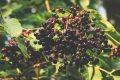
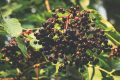
Classified scientifically as Sambucus nigra, the elder is a fast-growing deciduous shrub or small tree indigenous to Europe, North Africa, and western Asia, now firmly established across vast stretches of North America. The plant thrives in disturbed ground — roadsides, hedgerows, stream margins, and the transitional zones between woodland and open land. Under ideal conditions it can reach heights of ten meters, though it more commonly presents as a dense, multi-stemmed shrub. In early summer it produces distinctive flat-topped flower heads of creamy white blossoms with a sweet, slightly musky fragrance. By late August these transform into heavy pendant clusters of deep purple-black berries that persist into October.
The practice of wildcrafting — deliberately harvesting medicinal and edible plants from their natural environment rather than purchasing cultivated or processed versions — has seen significant growth in recent years. A 2022 survey documented increasing numbers of people returning to this tradition for practical, ecological, and personal reasons. Among wildcrafters, elder holds exceptional status. It is abundant, relatively straightforward to identify correctly, and nearly every part of the plant yields something of value to those with the knowledge to use it safely and thoughtfully.
How Cultures Across History Independently Discovered Elder’s Healing Potential
The depth of elder’s relationship with human medicine is genuinely striking. Ancient Egyptian texts describe the use of elderflower preparations for skin healing and complexion improvement. Hippocrates, practicing in fifth-century BCE Greece, reportedly described the elder as a complete medicine chest in a single plant — an indication of how broadly and routinely it featured in classical medical practice. Medieval European communities planted elder trees near their homes, believing the plant carried protective spiritual properties, and considered cutting one down an act that invited misfortune.

Across the Atlantic, numerous Native American nations had arrived at comparable conclusions about the plant’s utility entirely independently of European influence. Tribal communities used elderberries as both food and medicine, applying flowers to bring down fevers and employing bark preparations as purgatives. Traditional Chinese Medicine incorporated elder root and bark into treatments for conditions ranging from rheumatism and fractures to fluid retention. The fact that geographically and culturally isolated societies converged on similar therapeutic applications for the same plant is a compelling argument that its benefits reflect genuine, observable biological activity rather than inherited superstition.
The Elder’s Complicated Place in British and European Folk Culture
In Britain and across the European continent, attitudes toward elder were notably ambivalent — the plant was simultaneously held sacred and regarded with a degree of wariness. Elderflower cordial and elderberry wine became annual household traditions, prepared each season as both pleasurable drinks and practical remedies. Seventeenth-century herbalist Nicholas Culpeper catalogued elder’s applications extensively, listing uses from joint inflammation to various skin complaints. The preparation known as elderberry rob — a dense, heat-reduced syrup of the cooked berries — remained a standard British household cold remedy well into the twentieth century and is currently experiencing a meaningful revival among home herbalists and foragers.
The Phytochemistry That Explains How Elderberry Works
To understand why elderberry produces the effects it does, it helps to examine what the plant actually contains at a chemical level. The characteristic deep purple-black coloring of ripe elderberries derives from a group of flavonoid pigments called anthocyanins — principally cyanidin-3-glucoside and cyanidin-3-sambubioside. These molecules function as powerful antioxidants, scavenging damaging free radicals and reducing oxidative stress in tissues. Crucially, laboratory research has demonstrated that elderberry anthocyanins can physically bind to surface proteins on influenza virus particles, interfering with the virus’s ability to dock with and penetrate host cells.
Taking the next step becomes straightforward when you have the right support — Heal your past, design your future is worth exploring.
Taking the next step becomes straightforward when you have the right support — Become an Ultimate Master of your life is worth exploring.
Elderberries also supply meaningful amounts of vitamin C, vitamin A, vitamin B6, potassium, and iron. The flavonoids quercetin, rutin, and kaempferol are present in significant quantities and carry well-established anti-inflammatory properties. Elderflowers possess a distinct chemical profile from the berries, containing flavonoids, triterpenes, and volatile aromatic oils. These compounds contribute to the flower’s diaphoretic properties — meaning they encourage perspiration — and support mucus clearance, making elderflower preparations particularly relevant during the early stages of colds and feverish illness.
Principal Bioactive Compounds in Elderberry and Their Functions
| Compound | Classification | Documented Action |
|---|---|---|
| Cyanidin-3-glucoside | Anthocyanin flavonoid | Antiviral activity, antioxidant protection |
| Cyanidin-3-sambubioside | Anthocyanin flavonoid | Antioxidant, anti-inflammatory |
| Quercetin | Polyphenol flavonoid | Reduces inflammation, supports immune regulation |
| Rutin | Flavonoid glycoside | Strengthens capillary walls, antioxidant |
| Vitamin C | Essential micronutrient | Immune function, collagen production |
| Sambunigrin | Cyanogenic glycoside | Potentially toxic raw — destroyed by adequate cooking |
Reviewing the Clinical Evidence: What Trials Actually Demonstrate
Scientific interest in elderberry has grown substantially over the past two decades, producing a body of evidence that, while still expanding, is considerably more robust than casual observers might expect. A frequently referenced randomized controlled trial published in Nutrients in 2016 enrolled 312 air passengers — a population with documented elevated infection risk — and found that participants taking standardized elderberry extract experienced both shorter duration and reduced severity of cold symptoms relative to those receiving a placebo. A 2004 study published in the Journal of International Medical Research examined patients with confirmed influenza and reported that those given elderberry syrup recovered on average four days faster than the control group.
A 2019 meta-analysis published in Complementary Therapies in Medicine consolidated data from multiple trials and concluded that elderberry supplementation substantially reduced upper respiratory symptom duration and severity. The authors noted that the effect size was particularly notable in influenza cases compared with the common cold. Mechanistic research has further shown that elderberry extracts stimulate cytokine production — signaling proteins that coordinate immune response — suggesting the plant acts not merely as a passive antioxidant source but as an active modulator of immune system activity. Researchers have also identified preliminary evidence suggesting potential benefit in reducing blood pressure and improving cardiovascular markers, though these areas require further investigation before firm conclusions can be drawn.
Safe and Responsible Preparation: What You Must Know Before Using Elderberry
One of the most important practical considerations surrounding elderberry is that raw, unripe berries — and to a greater degree the bark, roots, and leaves — contain sambunigrin, a cyanogenic glycoside capable of causing nausea, vomiting, and in significant quantities more serious symptoms. This is not a reason to avoid the plant, but it is an unambiguous reason to always cook elderberries before consuming them. Heat effectively neutralizes sambunigrin, rendering the cooked berries safe. This is why traditional preparations — syrups, wines, jams, and the elderberry rob of British folk medicine — all involve prolonged heating of the fruit.
Elderflowers are generally considered safe to use without cooking and are commonly prepared as a cold infusion or cordial. The standard approach to elderberry syrup involves simmering fresh or dried berries with water, often combined with honey, ginger, cinnamon, and cloves, for approximately forty-five minutes before straining and bottling. Typical therapeutic doses in clinical trials have ranged from one to four tablespoons of syrup daily for adults during active illness, with lower doses used as a preventive measure during cold and flu season. Individuals taking immunosuppressant medications should consult a qualified healthcare provider before using elderberry regularly, as its immune-stimulating properties could theoretically interact with these drugs.
A Practical Home Elderberry Syrup Method
- Combine 150 grams of dried elderberries or 300 grams of fresh ripe berries with 750 milliliters of cold water in a saucepan.
- Add one cinnamon stick, five whole cloves, and a thumb-sized piece of fresh ginger, peeled and sliced.
- Bring to a gentle boil, then reduce heat and simmer uncovered for 45 minutes until the liquid has reduced by roughly half.
- Allow to cool slightly, then strain through a fine mesh sieve or cheesecloth, pressing the berries firmly to extract all juice.
- Once cooled to below 40 degrees Celsius, stir in 200 grams of raw honey to preserve and sweeten.
- Transfer to sterilized glass bottles and refrigerate. Use within two to three months.
Wildcrafting Elder Ethically and Identifying It Correctly
For those interested in foraging their own elderberries, accurate identification is the essential first step. Sambucus nigra has several characteristics that make it recognizable with practice: pinnate leaves with five to seven leaflets arranged in opposing pairs along the stem, a distinctive unpleasant smell when the leaves are crushed, and hollow or pithy stems with a spongy white interior. The flat-topped flower clusters, called corymbs, are unmistakable in early summer. The ripe berries form in heavy, drooping clusters and are a very deep purple-black — almost appearing black in direct sunlight.
Ethical wildcrafting requires harvesting no more than one third of any given plant’s yield, leaving the remainder for wildlife and for the plant’s own regeneration. Foragers should avoid collecting from sites adjacent to busy roads, industrial areas, or land known to have been treated with pesticides or herbicides. Landowner permission should always be obtained where applicable. Berries should be harvested when fully ripe — unripe green or red berries contain higher concentrations of sambunigrin and should not be used. Those new to plant identification are strongly advised to learn from an experienced forager in person before harvesting independently.
Growing Elder at Home: A Surprisingly Accessible Garden Plant
For those without access to suitable wild sites, elder is a genuinely rewarding garden plant that requires far less maintenance than most people assume. Nurseries and specialist herb suppliers stock both the standard Sambucus nigra and ornamental cultivars such as Black Beauty and Black Lace, which offer the same medicinal berries alongside striking dark foliage. Elder tolerates a wide range of soil types and conditions, though it performs best in moist, reasonably fertile ground with good light. It grows quickly — often producing its first harvestable berry crop within two to three years of planting — and responds well to hard pruning if it outgrows its allotted space.
A single established elder shrub can yield several kilograms of berries in a productive season, sufficient to make a year’s supply of syrup with plenty left over for wine, jam, or dried storage. Flowers harvested in early summer can be used fresh for cordial or dried for later use as a tea or tincture ingredient. Growing your own also removes any uncertainty about identification and ensures the plant has not been exposed to chemical treatments.
Elderberry Within a Broader Approach to Seasonal Wellness
It would be misleading to present elderberry as a standalone cure or a replacement for medical care when serious illness is present. What the evidence supports is a more modest but genuinely meaningful role: as a food-based, low-risk intervention that may meaningfully reduce the duration and severity of common respiratory infections, support antioxidant status, and contribute to a broader seasonal wellness strategy. Used alongside adequate sleep, hydration, nutritious diet, and appropriate rest, elderberry syrup or tincture represents the kind of practical, evidence-informed home remedy that bridges the gap between folk tradition and contemporary nutritional science.
The elder tree’s enduring presence in the medicine traditions of cultures as geographically distant as ancient Egypt, the Cherokee Nation, and rural England is not coincidental. It reflects a convergent recognition, arrived at through generations of careful observation, that this common hedgerow plant contains something genuinely valuable. Modern phytochemistry and clinical research have now begun to explain precisely why that recognition was well-founded — and in doing so, have given contemporary foragers and home herbalists a more complete picture of a plant that has been quietly healing people for a very long time.


 UACE UNEB SAMPLE PAPERS 2026Advanced Secondary
  ADVANCED LEVEL BIOLOGY, NEW CURRICULUM, SENIOR FIVEAdvanced Secondary,Biology
  Command Your Timeline: Heal the Past, Design Your FutureIntelligence,Skills Development
  SHAPTA MOCKS 2024
 Ultimate Me: Unlock Your Ultimate Potential & Energy HealingIntelligence,Skills Development
 What is ChatGPT?General
 Elderberry: The Wildcrafted Herb That Fights Illness NaturallyGeneral
 Elderberry: The Wildcrafted Herb That Heals NaturallyGeneral
 Friday Shutdown Routine That Replaced My Sunday Reset for GoodGeneral
 Turmeric: The Golden Herb That Heals From the Inside OutGeneral
 Turmeric: The Golden Herb That Heals From the Inside OutGeneral
 Best Free AI Voice Tools Available Right Now in 2025General
 Minecraft Quests & Ugandan Curriculum: Learn Through GamingGeneral
- Uganda Schools on the Brink: The Human Cost of Aid Cuts 2026General
 CapCut AI Ad Test: Is It Fast or Just Flashy?General
 Turmeric: The Golden Herb That Heals From the Inside OutGeneral
 KAKURU BENARDSample Activity of Integration on Forests, Forest resources and Forestry in Africa
- KAKURU BENARDSample Activity of Integration on Trade within and outside East Africa
 Babirye SandraO-LEVEL ENTREPRENUERSHIP,PETTY CASHBOOK ASSIGNMENT
- Babirye SandraO-LEVEL ENTREPRENUERSHIP,PETTY CASHBOOK ASSIGNMENT
- Babirye SandraO-LEVEL ENTREPRENUERSHIP,PETTY CASHBOOK ASSIGNMENT

0 responses on "Elderberry: The Wildcrafted Herb That Heals Naturally"