

1. Overview
Full name: Carl Gustav Jung
Birth–death: July 26, 1875 – June 6, 1961
Nationality / cultural background: Swiss
Primary field or spiritual tradition: Psychology, Analytical Psychology

Global significance: Carl Jung stands as a monumental figure in the realm of psychology. His concepts regarding the collective unconscious, archetypes, and various personality types have left a lasting impact not only on psychology but also on literature, art, and spirituality. Jung’s groundbreaking methods in understanding the psyche intertwine scientific exploration with spiritual inquiry, offering a rich framework for comprehending human behavior and creativity.
2. Early Life & Formation
Born into a Swiss Protestant family in Kesswil, Switzerland, Carl Jung was shaped by a religious upbringing. His father served as a pastor, and his mother hailed from a lineage of theologians. This environment fostered in Jung a deep inquisitiveness about the human spirit and the essence of spirituality. As a child, he often found solace in solitude, engaging deeply with his imagination, which later fueled his inquiries into the complexities of the human psyche.
Jung attended the University of Basel, where he focused his studies on medicine and specialized in psychiatry. His initial professional experiences included working alongside the esteemed psychiatrist Eugen Bleuler at the Burghölzli Psychiatric Hospital. There, he gleaned valuable insights into the human mind that would later inform his theoretical developments. Key influences in his life included his collaboration with Sigmund Freud, which eventually led to a divergence as Jung forged his distinct theoretical path.
3. Major Works, Teachings, or Contributions
3.1 The Concept of the Collective Unconscious
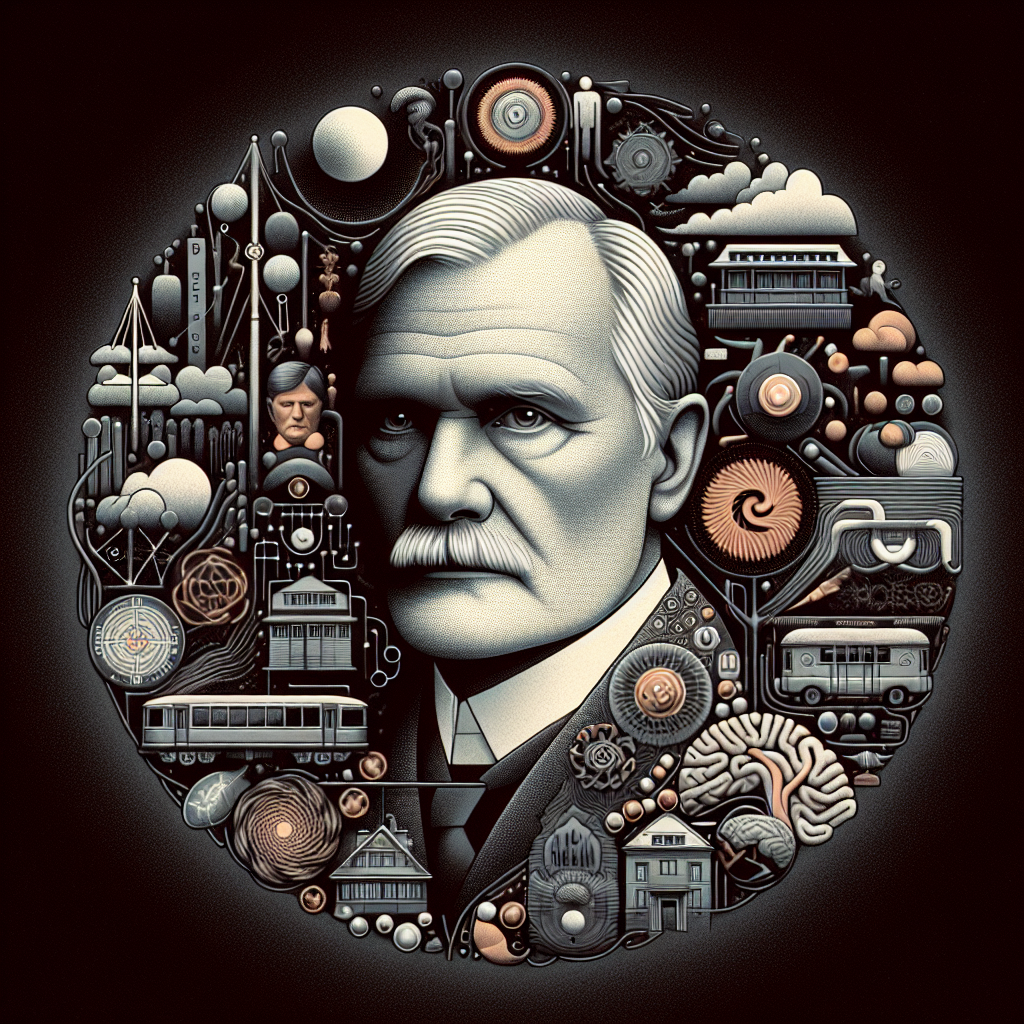
One of Jung’s most significant contributions to psychology is his theory of the collective unconscious. This idea posits that all humans share a set of memories and ideas inherited from our ancestors, which shapes our experiences and perceptions. Jung believed that these shared memories manifest in universal symbols, known as archetypes, which appear in dreams, myths, and art across cultures.
3.2 Archetypes and Their Role in Psychology
Jung identified several archetypes, including the Hero, the Mother, and the Shadow, each representing different aspects of the human experience. Understanding these archetypes allows individuals to explore their inner selves, leading to greater self-awareness and personal growth. Jung’s exploration of archetypes has influenced not only psychology but also fields such as literature, theater, and religious studies.
3.3 Personality Types and the Myers-Briggs Type Indicator
Jung’s theories on personality types laid the groundwork for the development of the Myers-Briggs Type Indicator (MBTI), a popular psychological assessment tool. Jung categorized personalities into four dichotomies: Introversion vs. Extraversion, Sensing vs. Intuition, Thinking vs. Feeling, and Judging vs. Perceiving. This framework has become a valuable resource for understanding individual differences in behavior, communication, and decision-making.
4. Influence on Modern Psychology
Jung’s impact extends beyond his lifetime, continuing to shape contemporary psychological practices and theories. His emphasis on the importance of the unconscious mind, along with his recognition of the spiritual dimension of human experience, has paved the way for various therapeutic approaches, including depth psychology and transpersonal psychology.
5. Conclusion
Carl Jung’s legacy is profound and multifaceted, influencing not only the field of psychology but also art, philosophy, and spirituality. His exploration of the human psyche, combined with his innovative theories and concepts, continue to resonate with individuals seeking to understand themselves and the world around them. Jung’s work serves as a bridge between science and spirituality, inviting us to delve deeper into the mysteries of our existence.
If you want a practical next step, you can also check out Heal your past, design your future.
If you want a practical next step, you can also check out Become an Ultimate Master of your life.


 UACE UNEB SAMPLE PAPERS 2026Advanced Secondary
  ADVANCED LEVEL BIOLOGY, NEW CURRICULUM, SENIOR FIVEAdvanced Secondary,Biology
  Command Your Timeline: Heal the Past, Design Your FutureIntelligence,Skills Development
  SHAPTA MOCKS 2024
 Ultimate Me: Unlock Your Ultimate Potential & Energy HealingIntelligence,Skills Development
 What is ChatGPT?General
 Digital Literacy in Uganda: Why Schools Are Falling BehindGeneral
 Elderberry: The Wildcrafted Herb That Heals NaturallyGeneral
 Turmeric: The Golden Herb That Heals From the Inside OutGeneral
 Turmeric: The Golden Herb That Heals From the Inside OutGeneral
 Closing the Skills Gap: How Industry-Led Skilling Shapes Your FutureGeneral
 Turmeric: The Golden Herb That Heals From the Inside OutGeneral
 Turmeric: The Golden Herb That Heals From the Inside OutGeneral
- BookTok’s Hidden Power: How Readers Are Rewriting Their LivesGeneral
 Susan Grau: Trapped in a Freezer at 4 — Her NDE Changed EverythingGeneral
 How Uganda Students Can Master Exams & Transform Their LearningGeneral
 KAKURU BENARDSample Activity of Integration on Forests, Forest resources and Forestry in Africa
- KAKURU BENARDSample Activity of Integration on Trade within and outside East Africa
 Babirye SandraO-LEVEL ENTREPRENUERSHIP,PETTY CASHBOOK ASSIGNMENT
- Babirye SandraO-LEVEL ENTREPRENUERSHIP,PETTY CASHBOOK ASSIGNMENT
- Babirye SandraO-LEVEL ENTREPRENUERSHIP,PETTY CASHBOOK ASSIGNMENT
0 responses on "Profile: Carl Jung — Life, Ideas, Teachings & Global Influence"