
Carl Jung: An Introduction
Full Name: Carl Gustav Jung
Lifespan: 1875 – 1961
Origin: Swiss
Core Disciplines: Psychiatry, psychology, analytical psychology

Global Impact: Carl Jung stands as a transformative figure in psychiatry, the architect of analytical psychology. His insights have resonated far beyond the clinical realm, leaving an indelible mark on literature, art, religious studies, and our understanding of culture. Concepts like the collective unconscious, archetypes, and the process of individuation remain cornerstones in deciphering the human psyche and its complex interaction with the world around us.
The Genesis of a Mind: Early Life and Influences
Family Heritage: Born in Kesswil, Switzerland, Carl Jung’s roots were deeply embedded in a family tradition of religious vocation and scholarly pursuit. His father served as a pastor within the Swiss Reformed Church, continuing a lineage of clergy members. His mother’s side, however, harbored a profound fascination with mysticism and the esoteric.
Education and Mentorship: Jung’s academic journey led him to the University of Basel, where he initially studied medicine but soon gravitated towards the burgeoning field of psychiatry. He honed his skills at the Burghölzli psychiatric hospital in Zurich, mentored by Eugen Bleuler, a leading psychiatrist celebrated for his conceptualization of “schizophrenia.” Jung’s early research centered on word association experiments, a crucial foundation for his evolving theories of the unconscious mind.
Formative Experiences: The dynamic and ultimately fractured relationship with Sigmund Freud proved to be a watershed moment in Jung’s intellectual trajectory. Initially, Jung was a staunch supporter of Freud’s psychoanalytic theories, even being considered his protégé and heir apparent. However, as Jung delved deeper into his own research and personal experiences, he began to develop his own distinct perspectives, particularly regarding the nature of the unconscious.
The Development of Analytical Psychology
Jung’s departure from Freudian psychoanalysis marked the birth of analytical psychology, a distinct school of thought that emphasized the importance of the individual’s unique journey toward wholeness. This journey, known as individuation, involves integrating conscious and unconscious aspects of the self to achieve psychological maturity.
Key Concepts in Jungian Psychology
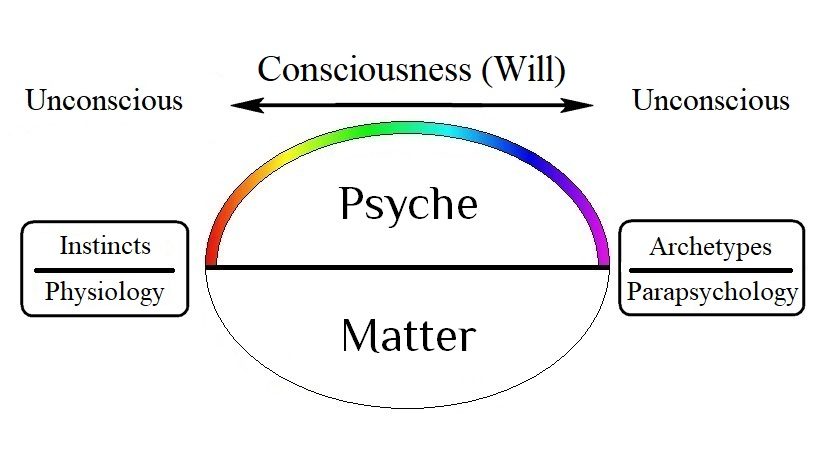
- The Collective Unconscious: Unlike Freud’s concept of a personal unconscious filled with repressed memories and desires, Jung proposed a collective unconscious, a universal reservoir of ancestral memories and archetypes shared by all humanity.
- Archetypes: These are universal, primordial images and patterns of behavior that reside in the collective unconscious. Common archetypes include the Mother, the Father, the Hero, and the Shadow.
- Individuation: The lifelong process of psychological development, where the individual integrates conscious and unconscious aspects of their personality to achieve wholeness and self-realization.
- The Persona: The social mask we present to the world, often concealing our true selves.
- The Shadow: The dark, repressed aspects of our personality, containing our negative emotions and instincts. Integrating the shadow is crucial for psychological growth.
- The Anima and Animus: The anima is the feminine aspect of the male psyche, while the animus is the masculine aspect of the female psyche. These archetypes represent the unconscious, contrasexual side of each individual.
Jung’s Influence and Legacy
Carl Jung’s impact extends far beyond the realm of psychology. His ideas have influenced literature, art, religion, and popular culture. His work continues to inspire artists, writers, and thinkers to explore the depths of the human psyche and the mysteries of the unconscious mind.
Influence on Literature and Art
Jungian archetypes and concepts have found their way into countless works of literature and art. Authors and artists have drawn inspiration from the Hero’s Journey, the Shadow, and other archetypal figures to create compelling narratives and explore universal themes of human experience.
Influence on Religious Studies
Jung’s exploration of the collective unconscious and archetypes shed new light on religious symbols and myths. He argued that these symbols reflect fundamental psychological realities and provide a framework for understanding the human search for meaning and purpose.
Conclusion
Carl Jung’s contributions to psychology and our understanding of the human condition are undeniable. His theories continue to be studied and debated, and his influence can be seen in various fields, solidifying his place as one of the most important thinkers of the 20th century. His work encourages us to embark on our own journey of individuation, to explore the depths of our unconscious, and to strive for wholeness and self-realization.
If you want a practical next step, you can also check out Heal your past, design your future.
If you want a practical next step, you can also check out Become an Ultimate Master of your life.


 ADVANCED LEVEL BIOLOGY, NEW CURRICULUM, SENIOR FIVEAdvanced Secondary,Biology
  Command Your Timeline: Heal the Past, Design Your FutureIntelligence,Skills Development
  SHAPTA MOCKS 2024
 Ultimate Me: Unlock Your Ultimate Potential & Energy HealingIntelligence,Skills Development
  NLSC: SENIOR THREE AGRICULTUREAgriculture,New Lower Secondary Curriculum,Ordinary Secondary
 What is ChatGPT?General
- Bridging the Digital Divide: Uganda’s Education Revolution Through Digital Literacy and Teacher TrainingGeneral
 Uganda’s Digital Leap: Transforming Primary Education Through TechnologyGeneral
- Uganda’s Education Renaissance: Combating Learning Loss and Empowering EducatorsGeneral
 The Art of the Subjective: Exploring the Nuances of Book ReviewingGeneral
 Crafting the Perfect Book Review: A Guide for Aspiring CriticsGeneral
 Unveiling the Layers: A Deep Dive into Book Reviewing Beyond Plot SummariesGeneral
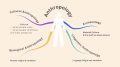 The Art of the Book Review: Beyond Summary, Towards Deeper ConnectionGeneral
 The Art of Crafting a Compelling Book Review: Beyond Summary and CritiqueGeneral
 Crafting Compelling Book Reviews: Beyond Summary, Towards InfluenceGeneral
- The Quintessential Watch Collection: A 30-Year Journey and Lessons for Ugandan LearnersGeneral
 KAKURU BENARDSample Activity of Integration on Forests, Forest resources and Forestry in Africa
- KAKURU BENARDSample Activity of Integration on Trade within and outside East Africa
 Babirye SandraO-LEVEL ENTREPRENUERSHIP,PETTY CASHBOOK ASSIGNMENT
- Babirye SandraO-LEVEL ENTREPRENUERSHIP,PETTY CASHBOOK ASSIGNMENT
- Babirye SandraO-LEVEL ENTREPRENUERSHIP,PETTY CASHBOOK ASSIGNMENT
0 responses on "Profile: Carl Jung — Life, Ideas, Teachings & Global Influence"