
Exploring the Depths: Carl Jung’s Life, Ideas, and Enduring Legacy
Carl Jung, a towering figure in the realm of psychology, remains a pivotal influence on our understanding of the human psyche. His groundbreaking theories, including the collective unconscious, archetypes, and the process of individuation, have resonated far beyond the boundaries of psychology, impacting literature, art, religious thought, and the broader landscape of cultural studies.
1. Key Details
- Full Name: Carl Gustav Jung
- Lifespan: 1875–1961
- Origin: Swiss
- Core Disciplines: Psychiatry, psychology, psychoanalysis
- Global Significance: Jung’s profound insights into the human mind, most notably his concepts surrounding the collective unconscious and archetypes, have left an indelible mark on psychology, spirituality, and popular culture globally. He presented a unique perspective that diverged from Freudian psychoanalysis, highlighting the significance of spiritual and symbolic elements in human experience.
2. The Formative Years
Born in Kesswil, Switzerland, in 1875, Carl Jung’s upbringing was steeped in religious tradition and intellectual curiosity. His father served as a pastor within the Swiss Reformed Church, while his mother’s lineage was intertwined with a history of mysticism. Jung’s early years were characterized by a vibrant inner world, populated by vivid dreams, visions, and a deep-seated interest in the supernatural. He often felt like an outsider, tending towards withdrawal, and cultivated a complex relationship with both his parents, influencing his later psychological theories.
The Development of Analytical Psychology
Jung’s intellectual journey led him to medicine, specializing in psychiatry. He began his career at the Burghölzli Mental Hospital in Zurich, where he worked under Eugen Bleuler, a pioneer in the study of schizophrenia. During this period, Jung’s research focused on word association tests, which provided insights into the unconscious processes of the mind. His work caught the attention of Sigmund Freud, and the two formed a close professional relationship, marking a significant chapter in Jung’s life.
The Freud-Jung Partnership and Divergence
The relationship between Jung and Freud was initially one of mutual admiration and collaboration. Jung became a prominent figure in the psychoanalytic movement, even serving as the first president of the International Psychoanalytic Association. However, their views on the nature of the unconscious and the role of sexuality in psychological development gradually diverged. Jung increasingly emphasized the importance of the collective unconscious, a shared reservoir of universal experiences and archetypes inherited from our ancestors. This concept, along with his broader perspective on symbolism and spirituality, led to an eventual break with Freud, marking the birth of Jung’s own school of analytical psychology.

Core Concepts in Jungian Psychology
Analytical psychology, as developed by Jung, encompasses several key concepts that distinguish it from Freudian psychoanalysis.
The Collective Unconscious and Archetypes
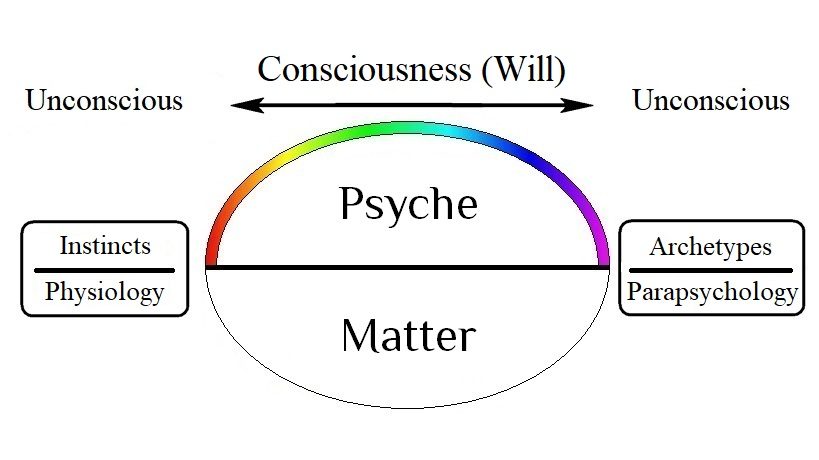
The collective unconscious is perhaps Jung’s most famous contribution. It is a universal and inherited layer of the unconscious mind, containing archetypes, which are primordial images and patterns of behavior that shape our experiences and perceptions. Common archetypes include the Mother, the Father, the Hero, and the Shadow. These archetypes manifest in myths, dreams, and cultural symbols across different societies and time periods.
Individuation: The Journey to Wholeness
Individuation is the central process in Jungian psychology, representing the lifelong journey of becoming a whole and integrated individual. It involves confronting and integrating the various aspects of the self, including the conscious and unconscious, the personal and collective. This process often involves exploring one’s shadow, the repressed and disowned aspects of the personality, and integrating them into the conscious self. Through individuation, individuals strive to realize their unique potential and live authentically.
Psychological Types: Introversion and Extraversion
Jung also developed a theory of psychological types, based on the concepts of introversion and extraversion. Introverts are oriented towards the inner world of thoughts and feelings, while extraverts are oriented towards the external world of people and events. Jung further elaborated on these basic attitudes by identifying four psychological functions: thinking, feeling, sensation, and intuition. These functions, combined with introversion and extraversion, form the basis of Jung’s typology, which has influenced personality assessments such as the Myers-Briggs Type Indicator (MBTI).
Jung’s Influence and Legacy
Carl Jung’s ideas have had a profound and lasting impact on various fields, including psychology, literature, art, religion, and popular culture. His work continues to inspire and challenge our understanding of the human psyche, offering valuable insights into the complexities of the human experience.
Impact on Psychology and Psychotherapy
Jungian psychology has influenced various approaches to psychotherapy, emphasizing the importance of exploring the unconscious, working with dreams, and fostering the process of individuation. Jungian therapists often use techniques such as active imagination and sandplay therapy to help clients access and integrate unconscious material.
Influence on Art, Literature, and Religion
Jung’s concepts of archetypes and the collective unconscious have resonated deeply with artists, writers, and religious scholars. His ideas have been used to interpret myths, symbols, and religious experiences, providing a framework for understanding the underlying patterns and meanings that connect human cultures across time and space. Many artists and writers have explicitly drawn inspiration from Jungian psychology in their works, exploring themes of the unconscious, the shadow, and the quest for wholeness.
If you want a practical next step, you can also check out Heal your past, design your future.
If you want a practical next step, you can also check out Become an Ultimate Master of your life.


 ADVANCED LEVEL BIOLOGY, NEW CURRICULUM, SENIOR FIVEAdvanced Secondary,Biology
  Command Your Timeline: Heal the Past, Design Your FutureIntelligence,Skills Development
  SHAPTA MOCKS 2024
 Ultimate Me: Unlock Your Ultimate Potential & Energy HealingIntelligence,Skills Development
  NLSC: SENIOR THREE AGRICULTUREAgriculture,New Lower Secondary Curriculum,Ordinary Secondary
 What is ChatGPT?General
- Bridging the Digital Divide: Uganda’s Education Revolution Through Digital Literacy and Teacher TrainingGeneral
 Uganda’s Digital Leap: Transforming Primary Education Through TechnologyGeneral
- Uganda’s Education Renaissance: Combating Learning Loss and Empowering EducatorsGeneral
 The Art of the Subjective: Exploring the Nuances of Book ReviewingGeneral
 Crafting the Perfect Book Review: A Guide for Aspiring CriticsGeneral
 Unveiling the Layers: A Deep Dive into Book Reviewing Beyond Plot SummariesGeneral
 The Art of the Book Review: Beyond Summary, Towards Deeper ConnectionGeneral
 The Art of Crafting a Compelling Book Review: Beyond Summary and CritiqueGeneral
 Crafting Compelling Book Reviews: Beyond Summary, Towards InfluenceGeneral
- The Quintessential Watch Collection: A 30-Year Journey and Lessons for Ugandan LearnersGeneral
 KAKURU BENARDSample Activity of Integration on Forests, Forest resources and Forestry in Africa
- KAKURU BENARDSample Activity of Integration on Trade within and outside East Africa
 Babirye SandraO-LEVEL ENTREPRENUERSHIP,PETTY CASHBOOK ASSIGNMENT
- Babirye SandraO-LEVEL ENTREPRENUERSHIP,PETTY CASHBOOK ASSIGNMENT
- Babirye SandraO-LEVEL ENTREPRENUERSHIP,PETTY CASHBOOK ASSIGNMENT
0 responses on "Profile: Carl Jung — Life, Ideas, Teachings & Global Influence"