
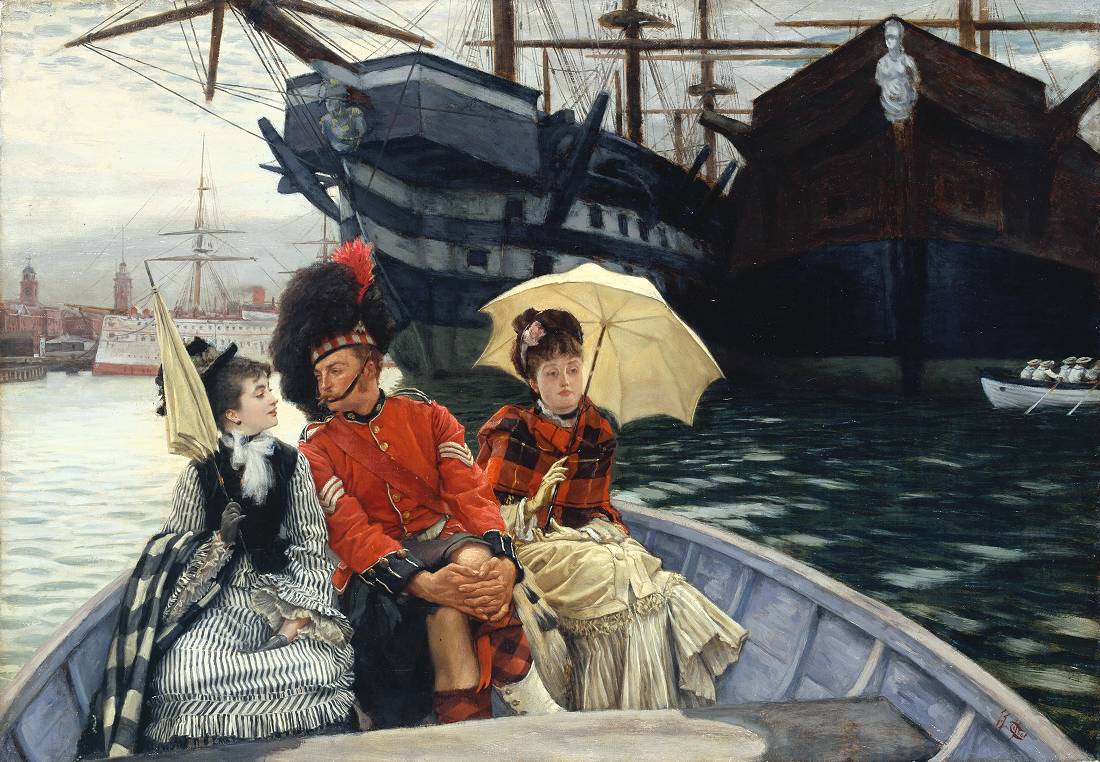

Delving into the World of Carl Jung
1. Jung in Brief
Official Name: Carl Gustav Jung
Life Span: 1875–1961
Origin: Swiss
Area of Expertise: Psychiatry, psychology, with a focus on analytical psychology
Global Impact: Carl Jung, a groundbreaking figure in psychiatry, established analytical psychology, leaving an indelible mark on various disciplines, including psychiatry, psychology, religious studies, literature, and the arts. His innovative ideas, such as the collective unconscious, archetypes, the process of individuation, and psychological types (introversion and extroversion), have become fundamental concepts in understanding the human psyche and have permeated popular culture. Jung provided a distinctive viewpoint on the human experience, underscoring the significance of self-exploration and the unification of conscious and unconscious elements within the personality.
2. The Genesis of a Mind: Early Years
Born in Kesswil, Switzerland, in 1875, Carl Jung’s upbringing was deeply rooted in religious and intellectual heritage. His father, Paul Achilles Jung, served as a pastor in the Swiss Reformed Church, while his mother, Emilie Preiswerk Jung, contributed to a family lineage rich with clergymen and academics. From a young age, Jung exhibited a tendency toward introspection and vivid dream experiences, fostering a solitary nature. This inclination nurtured a vibrant inner realm that would later serve as a foundation for his psychological theories.
Jung’s formal education commenced in Basel, where he pursued medicine at the University of Basel. Initially contemplating a career in surgery, he was drawn to psychiatry after encountering the work of Richard von Krafft-Ebing. This marked a pivotal moment, steering him towards the exploration of the human mind and its complexities.
Key Concepts in Jungian Psychology
The Collective Unconscious
One of Jung’s most significant contributions is the concept of the collective unconscious. Unlike the personal unconscious, which contains an individual’s repressed memories and experiences, the collective unconscious is a universal reservoir of ancestral memories and experiences shared by all humanity. It manifests through archetypes, universal patterns and symbols that shape our thoughts, feelings, and behaviors.
- Archetypes: These include the Mother, the Father, the Hero, the Shadow, and the Self. They are not fixed entities but rather dynamic potentials that influence our perceptions and interactions with the world.
- Examples: The hero archetype often appears in myths and legends, representing the struggle against adversity and the pursuit of self-discovery. The shadow archetype embodies the darker, repressed aspects of our personality.
Individuation: The Path to Wholeness
Individuation is the central process in Jungian psychology, representing the journey towards psychological wholeness and self-realization. It involves integrating the conscious and unconscious aspects of the personality, confronting the shadow, and developing a balanced sense of self. This process is not about achieving perfection but rather about embracing one’s unique individuality and potential.
Psychological Types: Introversion and Extroversion
Jung identified two fundamental psychological attitudes: introversion and extroversion. Introverts are primarily oriented towards their inner world of thoughts and feelings, while extroverts are drawn to the external world of people and events. These attitudes influence how individuals perceive and interact with the world, shaping their personality and behavior.
| Characteristic | Introvert | Extrovert |
|---|---|---|
| Focus | Inner world | Outer world |
| Energy Source | Solitude | Social interaction |
| Decision Making | Reflective | Action-oriented |
Jung’s Influence and Legacy
Carl Jung’s ideas have had a profound impact on various fields, including psychology, literature, art, and religious studies. His work continues to inspire and inform our understanding of the human psyche, self-discovery, and the search for meaning in life.
His theories are applied in psychotherapy, offering tools for self-exploration and personal growth. His influence extends to literary analysis, where archetypal patterns are used to interpret narratives and characters. Moreover, his insights into symbolism and mythology have enriched our understanding of religious and cultural traditions.
If you want a practical next step, you can also check out Heal your past, design your future.
If you want a practical next step, you can also check out Become an Ultimate Master of your life.


 ADVANCED LEVEL BIOLOGY, NEW CURRICULUM, SENIOR FIVEAdvanced Secondary,Biology
  Command Your Timeline: Heal the Past, Design Your FutureIntelligence,Skills Development
  SHAPTA MOCKS 2024
 Ultimate Me: Unlock Your Ultimate Potential & Energy HealingIntelligence,Skills Development
  NLSC: SENIOR THREE AGRICULTUREAgriculture,New Lower Secondary Curriculum,Ordinary Secondary
 What is ChatGPT?General
- Bridging the Digital Divide: Uganda’s Education Revolution Through Digital Literacy and Teacher TrainingGeneral
 Uganda’s Digital Leap: Transforming Primary Education Through TechnologyGeneral
- Uganda’s Education Renaissance: Combating Learning Loss and Empowering EducatorsGeneral
 The Art of the Subjective: Exploring the Nuances of Book ReviewingGeneral
 Crafting the Perfect Book Review: A Guide for Aspiring CriticsGeneral
 Unveiling the Layers: A Deep Dive into Book Reviewing Beyond Plot SummariesGeneral
 The Art of the Book Review: Beyond Summary, Towards Deeper ConnectionGeneral
 The Art of Crafting a Compelling Book Review: Beyond Summary and CritiqueGeneral
 Crafting Compelling Book Reviews: Beyond Summary, Towards InfluenceGeneral
- The Quintessential Watch Collection: A 30-Year Journey and Lessons for Ugandan LearnersGeneral
 KAKURU BENARDSample Activity of Integration on Forests, Forest resources and Forestry in Africa
- KAKURU BENARDSample Activity of Integration on Trade within and outside East Africa
 Babirye SandraO-LEVEL ENTREPRENUERSHIP,PETTY CASHBOOK ASSIGNMENT
- Babirye SandraO-LEVEL ENTREPRENUERSHIP,PETTY CASHBOOK ASSIGNMENT
- Babirye SandraO-LEVEL ENTREPRENUERSHIP,PETTY CASHBOOK ASSIGNMENT
0 responses on "Profile: Carl Jung — Life, Ideas, Teachings & Global Influence"