
Exploring the Life, Ideas, and Enduring Legacy of Carl Jung
1. Biographical Sketch
Official Name: Carl Gustav Jung
Lifespan: 1875–1961
Origin: Switzerland
Main Disciplines: Psychiatry, psychology, analytical psychology
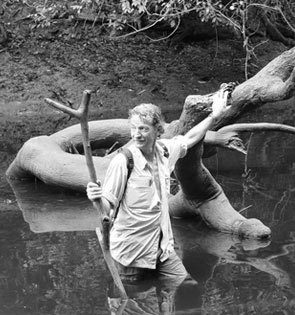
Global Significance: Carl Jung, a pioneering Swiss psychiatrist and the architect of analytical psychology, left an indelible mark on numerous disciplines. Beyond his contributions to psychiatry, his ideas have profoundly influenced philosophy, anthropology, archaeology, literature, and religious thought. Key Jungian concepts – the collective unconscious, archetypes, and the process of individuation – have revolutionized our understanding of the human psyche and maintain their relevance across a wide spectrum of fields.
2. Childhood and Intellectual Development
Born in 1875 in Kesswil, Switzerland, Carl Jung was the offspring of a Protestant clergyman. His upbringing was deeply rooted in both religious observance and intellectual pursuits. With numerous relatives involved in the clergy and a grandfather (also named Carl Gustav Jung) who was a physician and rector at the University of Basel, Jung was immersed in theological discussions and philosophical explorations from a young age.
As a child, Jung was introspective and often alone, experiencing intense dreams and developing a fascination with symbolism and the unconscious realm. A notable childhood event involved carving a small figure into a ruler, which he then concealed in the attic. He later saw this act as a symbolic representation of the creation of a hidden, inner self. These formative experiences played a crucial role in shaping his future intellectual trajectory.
3. The Development of Analytical Psychology
Jung’s early career was significantly influenced by Sigmund Freud and psychoanalysis. He became a prominent figure in the psychoanalytic movement, serving as the first president of the International Psychoanalytical Association. However, Jung’s independent thinking and differing views on key concepts, particularly the nature of the unconscious, led to a divergence from Freud. This split culminated in Jung developing his own school of thought, known as analytical psychology.

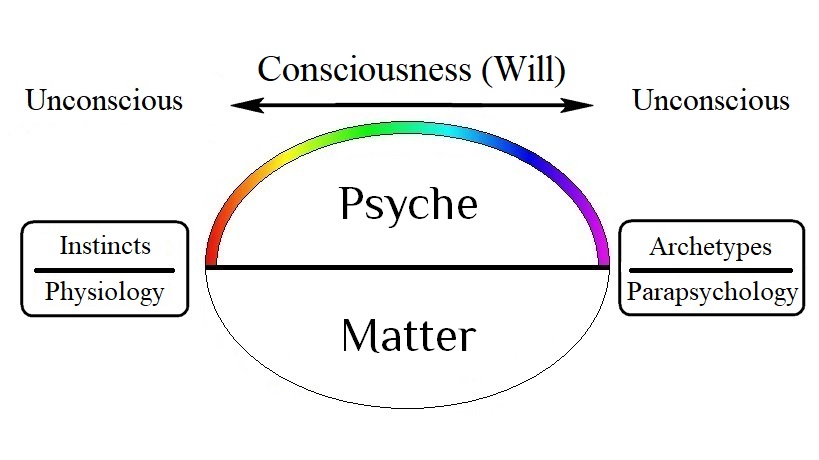
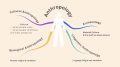
Central to analytical psychology is the concept of the collective unconscious, a universal layer of the unconscious shared by all humans, containing archetypes – universal, symbolic patterns of behavior and imagery. These archetypes, such as the Mother, the Hero, and the Shadow, manifest in dreams, myths, and cultural symbols, influencing individual behavior and experience. Jung also emphasized the process of individuation, a lifelong journey of self-discovery and integration of conscious and unconscious aspects of the personality.
4. Key Concepts in Jungian Psychology
- The Collective Unconscious: A shared, universal layer of the unconscious containing archetypes.
- Archetypes: Universal, symbolic patterns of behavior and imagery, such as the Mother, the Hero, and the Shadow.
- Individuation: A lifelong journey of self-discovery and integration of conscious and unconscious aspects of the personality.
- The Persona: The social mask or role we present to the world.
- The Shadow: The unconscious aspect of the personality that embodies repressed or disowned qualities.
- Anima and Animus: The unconscious feminine side of a man (anima) and the unconscious masculine side of a woman (animus).
5. Jung’s Influence on Other Fields
Jung’s influence extends far beyond the realm of psychology. His ideas have had a profound impact on:
- Literature: Jungian archetypes and symbolism are frequently employed in literary analysis and interpretation.
- Art: Artists have drawn inspiration from Jung’s concepts of the unconscious and archetypes.
- Religion: Jung explored the psychological significance of religious symbols and myths.
- Anthropology: His theories have been used to understand cultural patterns and myths across different societies.
6. Jung’s Later Life and Legacy
In his later years, Jung continued to develop and refine his theories, writing extensively on a wide range of topics, including alchemy, mythology, and religion. He traveled extensively, studying different cultures and seeking to understand the universal patterns of the human psyche. Jung died in 1961, leaving behind a vast body of work that continues to inspire and challenge scholars and practitioners across numerous disciplines.
Carl Jung’s legacy is one of profound intellectual curiosity and a deep commitment to understanding the complexities of the human experience. His ideas continue to resonate with those seeking to explore the depths of their own psyches and to understand the universal patterns that shape our lives.
If you want a practical next step, you can also check out Heal your past, design your future.
If you want a practical next step, you can also check out Become an Ultimate Master of your life.


 ADVANCED LEVEL BIOLOGY, NEW CURRICULUM, SENIOR FIVEAdvanced Secondary,Biology
  Command Your Timeline: Heal the Past, Design Your FutureIntelligence,Skills Development
  SHAPTA MOCKS 2024
 Ultimate Me: Unlock Your Ultimate Potential & Energy HealingIntelligence,Skills Development
  NLSC: SENIOR THREE AGRICULTUREAgriculture,New Lower Secondary Curriculum,Ordinary Secondary
 What is ChatGPT?General
- Bridging the Digital Divide: Uganda’s Education Revolution Through Digital Literacy and Teacher TrainingGeneral
 Uganda’s Digital Leap: Transforming Primary Education Through TechnologyGeneral
- Uganda’s Education Renaissance: Combating Learning Loss and Empowering EducatorsGeneral
 The Art of the Subjective: Exploring the Nuances of Book ReviewingGeneral
 Crafting the Perfect Book Review: A Guide for Aspiring CriticsGeneral
 Unveiling the Layers: A Deep Dive into Book Reviewing Beyond Plot SummariesGeneral
 The Art of the Book Review: Beyond Summary, Towards Deeper ConnectionGeneral
 The Art of Crafting a Compelling Book Review: Beyond Summary and CritiqueGeneral
 Crafting Compelling Book Reviews: Beyond Summary, Towards InfluenceGeneral
- The Quintessential Watch Collection: A 30-Year Journey and Lessons for Ugandan LearnersGeneral
 KAKURU BENARDSample Activity of Integration on Forests, Forest resources and Forestry in Africa
- KAKURU BENARDSample Activity of Integration on Trade within and outside East Africa
 Babirye SandraO-LEVEL ENTREPRENUERSHIP,PETTY CASHBOOK ASSIGNMENT
- Babirye SandraO-LEVEL ENTREPRENUERSHIP,PETTY CASHBOOK ASSIGNMENT
- Babirye SandraO-LEVEL ENTREPRENUERSHIP,PETTY CASHBOOK ASSIGNMENT
0 responses on "Profile: Carl Jung — Life, Ideas, Teachings & Global Influence"