
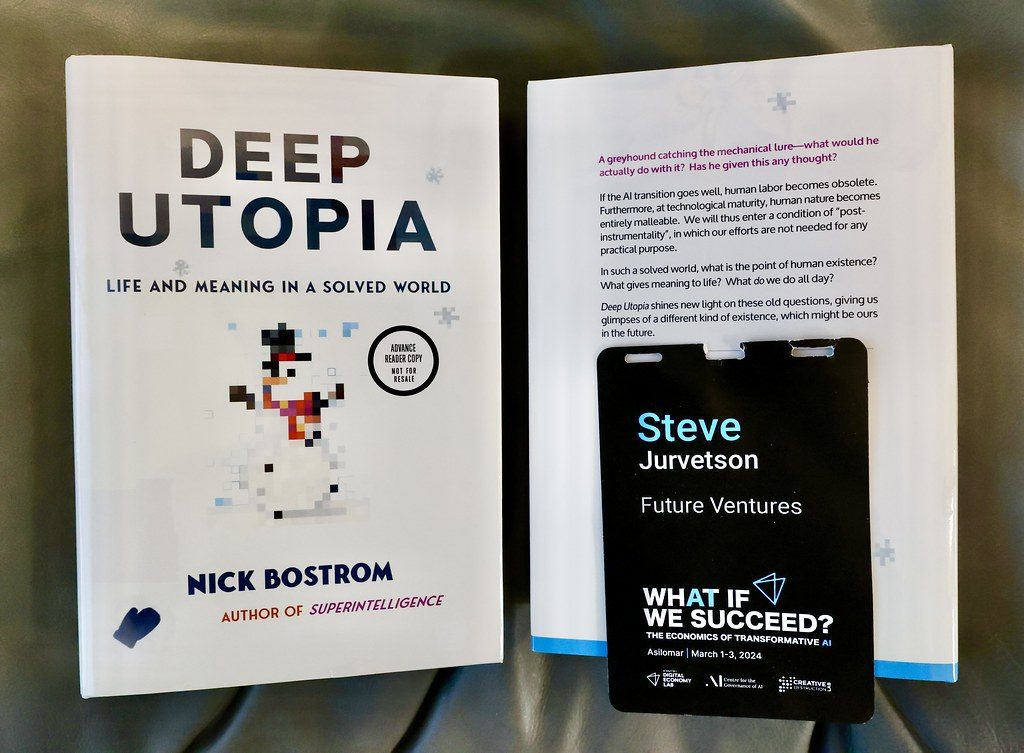
Book reviews are essential guides in today’s literary landscape. But what distinguishes a truly great review from a mere synopsis? It’s the capacity to transcend the storyline, analyze the author’s purpose, and relate the book to wider intellectual and cultural conversations. This exploration delves into the art of writing book reviews, emphasizing the importance of moving beyond superficial observations to uncover the text’s underlying significance.
The Significance of Book Reviews: Beyond Simple Endorsement
In our information-rich world, thoughtful recommendations are invaluable. Book reviews go beyond simple endorsements, offering context, critical evaluation, and helping readers choose wisely. They serve as a conduit between the author’s vision and the reader, highlighting the work’s themes, writing style, and overall effect. A compelling review can ignite intellectual interest, encouraging deeper engagement with literature. Furthermore, well-composed book reviews are vital for online visibility, influencing search results and directing readers to worthwhile books.
Deconstructing the Effective Book Review
Writing a review that connects with readers requires more than just plot recitation. It necessitates a subtle grasp of the text, as well as the ability to clearly express its merits and flaws. Here’s a look at essential components:
- Contextualization: Locate the book within its appropriate literary, historical, or cultural context.
- Theme Analysis: Identify and explore the book’s central themes, providing insight into their development.
- Style Assessment: Evaluate the author’s writing style, considering its effectiveness in conveying the narrative and themes.
- Critical Judgment: Offer a balanced assessment of the book’s strengths and weaknesses, supported by evidence from the text.
- Reader Recommendation: Clearly state who would appreciate the book and why.
Essential Elements of a Compelling Book Review
Beyond the core components, several elements contribute to a compelling and insightful book review:
Understanding the Author’s Intent
Delving into the author’s background, influences, and previous works can provide valuable context for understanding their intent. Consider the author’s motivations for writing the book and how their personal experiences or perspectives might have shaped the narrative.
Analyzing Literary Devices
Explore the author’s use of literary devices such as metaphor, symbolism, and imagery. How do these devices contribute to the overall meaning and impact of the book? Providing specific examples can strengthen your analysis.
Connecting with Contemporary Issues
A great book review often connects the book’s themes and ideas to contemporary issues and debates. How does the book resonate with current events or social trends? Exploring these connections can make the review more relevant and engaging for readers.
The Ethical Considerations of Book Reviewing
Book reviewing also involves ethical considerations. Objectivity, transparency, and fairness are paramount. Reviewers should avoid conflicts of interest and disclose any relationships with the author or publisher. It’s crucial to provide honest and unbiased assessments, even if it means offering constructive criticism.
Avoiding Spoilers
One of the most important ethical considerations is avoiding spoilers. A book review should pique the reader’s interest without revealing key plot points or surprises that could diminish their reading experience.
Fairness and Objectivity
Strive for fairness and objectivity in your assessment. Acknowledge the book’s strengths and weaknesses, and support your opinions with evidence from the text. Avoid personal attacks or biased judgments.
Conclusion
The art of the book review lies in its ability to go beyond surface-level observations and delve into the deeper meaning and significance of a literary work. By contextualizing the book, analyzing its themes and style, and offering a balanced critical judgment, reviewers can provide valuable insights for readers and contribute to a richer understanding of literature. Furthermore, adhering to ethical guidelines ensures that reviews are fair, objective, and respectful of both the author and the reader.
If you want a practical next step, you can also check out Heal your past, design your future.
If you want a practical next step, you can also check out Become an Ultimate Master of your life.


 ADVANCED LEVEL BIOLOGY, NEW CURRICULUM, SENIOR FIVEAdvanced Secondary,Biology
  Command Your Timeline: Heal the Past, Design Your FutureIntelligence,Skills Development
  SHAPTA MOCKS 2024
 Ultimate Me: Unlock Your Ultimate Potential & Energy HealingIntelligence,Skills Development
  NLSC: SENIOR THREE AGRICULTUREAgriculture,New Lower Secondary Curriculum,Ordinary Secondary
 What is ChatGPT?General
- Bridging the Digital Divide: Uganda’s Education Revolution Through Digital Literacy and Teacher TrainingGeneral
 Uganda’s Digital Leap: Transforming Primary Education Through TechnologyGeneral
- Uganda’s Education Renaissance: Combating Learning Loss and Empowering EducatorsGeneral
 The Art of the Subjective: Exploring the Nuances of Book ReviewingGeneral
 Crafting the Perfect Book Review: A Guide for Aspiring CriticsGeneral
 Unveiling the Layers: A Deep Dive into Book Reviewing Beyond Plot SummariesGeneral
 The Art of the Book Review: Beyond Summary, Towards Deeper ConnectionGeneral
 The Art of Crafting a Compelling Book Review: Beyond Summary and CritiqueGeneral
 Crafting Compelling Book Reviews: Beyond Summary, Towards InfluenceGeneral
- The Quintessential Watch Collection: A 30-Year Journey and Lessons for Ugandan LearnersGeneral
 KAKURU BENARDSample Activity of Integration on Forests, Forest resources and Forestry in Africa
- KAKURU BENARDSample Activity of Integration on Trade within and outside East Africa
 Babirye SandraO-LEVEL ENTREPRENUERSHIP,PETTY CASHBOOK ASSIGNMENT
- Babirye SandraO-LEVEL ENTREPRENUERSHIP,PETTY CASHBOOK ASSIGNMENT
- Babirye SandraO-LEVEL ENTREPRENUERSHIP,PETTY CASHBOOK ASSIGNMENT

0 responses on "The Art of the Book Review: Beyond Plot Summary, Exploring Deeper Meaning"