
Crafting Exceptional Book Reviews: More Than Just a Retelling
The Enduring Relevance of Book Reviews
Despite the prevalence of algorithms and instant content, book reviews maintain a vital role. Why do they continue to matter in our digitally saturated world? Because they offer crucial context, informed analysis, and valuable direction for readers facing an abundance of literary choices. Today’s book reviews transcend simple summaries; they’re carefully crafted explorations providing insights beyond the storyline.
Beyond the Plot: Achieving a Higher Level of Reviewing
Traditional book reviews often emphasize plot outlines, character portrayals, and a brief commentary on the author’s writing style. Although these aspects are relevant, a truly insightful review digs deeper, exploring fundamental themes, considering the book’s cultural or historical relevance, and evaluating its effect on the reader. It’s about progressing from a basic overview to a more comprehensive integration of ideas.
Think about the power of appreciating how a book aligns with your personal experiences. Are you on a quest for self-improvement? Sometimes, examining the journeys of fictional characters can provide insights to unlock your potential.
Adopting a Critical Perspective: Examining Themes and Context
A critical perspective is essential for a high-quality book review. This involves more than just liking or disliking the book; it requires a thoughtful examination of the underlying themes, the author’s intent, and the book’s place within a broader literary or cultural context. Consider these questions:

- What are the central themes explored in the book?
- How does the author use literary devices to convey these themes?
- What is the book’s historical or cultural significance?
- How does the book compare to other works in the same genre?
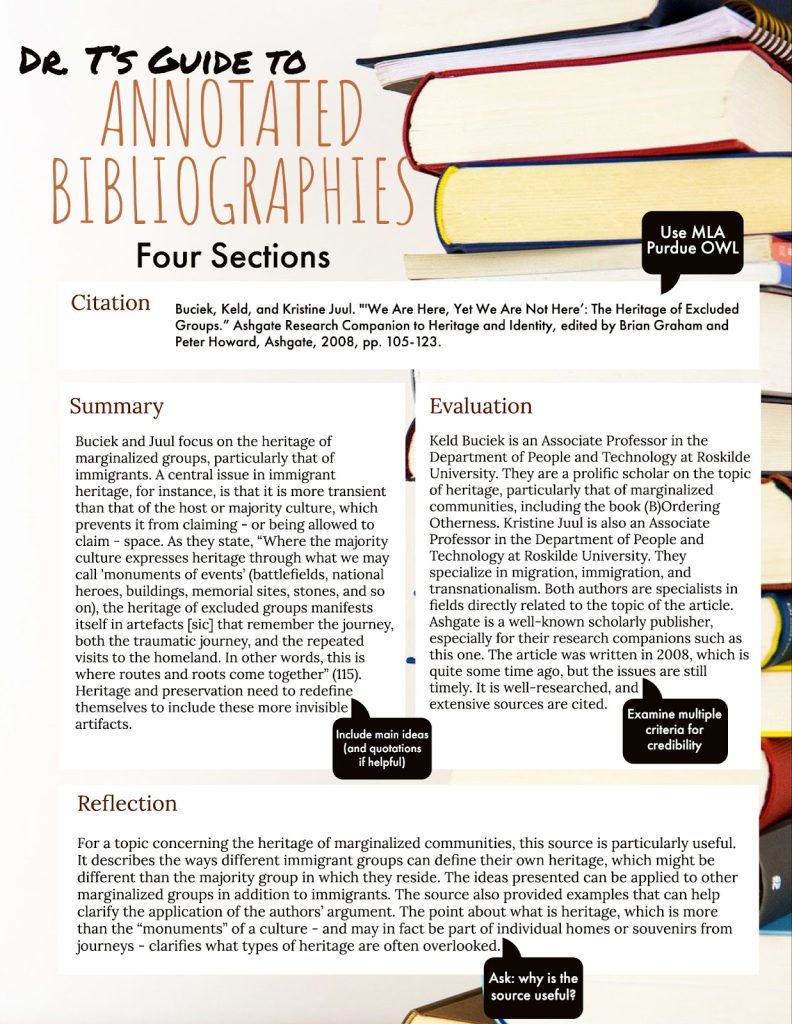
Structuring Your Review: A Practical Guide
While there’s no one-size-fits-all approach, a well-structured review typically includes the following elements:
- Introduction: Briefly introduce the book and author, and state your overall impression.
- Summary (Brief): Provide a concise overview of the plot, avoiding spoilers.
- Analysis: Discuss the key themes, characters, and writing style.
- Critical Evaluation: Offer your informed opinion, supported by evidence from the text.
- Conclusion: Summarize your thoughts and provide a recommendation.
The Importance of Evidence and Examples
A strong review is always supported by evidence from the book itself. When discussing a particular theme or character, provide specific examples or quotes to illustrate your points. This adds credibility to your analysis and allows readers to see how you arrived at your conclusions.
Avoiding Common Pitfalls
Several common pitfalls can detract from the quality of a book review. These include:
- Spoilers: Avoid revealing key plot points that could ruin the reading experience for others.
- Personal Bias: Strive for objectivity, even if you have strong feelings about the author or subject matter.
- Lack of Evidence: Support your claims with specific examples from the text.
- Poor Writing: Use clear, concise language and avoid grammatical errors.
The Ethical Considerations of Book Reviewing
Book reviewers have a responsibility to be fair, honest, and transparent in their assessments. Avoid conflicts of interest, such as reviewing a book by a friend or family member. Disclose any relationships you may have with the author or publisher. Always strive to provide an unbiased and well-reasoned opinion.
The Future of Book Reviews
As the publishing landscape continues to evolve, book reviews will likely adapt and change. However, the core principles of thoughtful analysis, informed opinion, and clear communication will remain essential. Whether you’re a seasoned reviewer or just starting out, remember that your voice matters. Your insights can help readers discover new books, engage with important ideas, and deepen their appreciation for the art of storytelling.
If you want a practical next step, you can also check out Heal your past, design your future.
If you want a practical next step, you can also check out Become an Ultimate Master of your life.


 ADVANCED LEVEL BIOLOGY, NEW CURRICULUM, SENIOR FIVEAdvanced Secondary,Biology
  Command Your Timeline: Heal the Past, Design Your FutureIntelligence,Skills Development
  SHAPTA MOCKS 2024
 Ultimate Me: Unlock Your Ultimate Potential & Energy HealingIntelligence,Skills Development
  NLSC: SENIOR THREE AGRICULTUREAgriculture,New Lower Secondary Curriculum,Ordinary Secondary
 What is ChatGPT?General
- Bridging the Digital Divide: Uganda’s Education Revolution Through Digital Literacy and Teacher TrainingGeneral
 Uganda’s Digital Leap: Transforming Primary Education Through TechnologyGeneral
- Uganda’s Education Renaissance: Combating Learning Loss and Empowering EducatorsGeneral
 The Art of the Subjective: Exploring the Nuances of Book ReviewingGeneral
 Crafting the Perfect Book Review: A Guide for Aspiring CriticsGeneral
 Unveiling the Layers: A Deep Dive into Book Reviewing Beyond Plot SummariesGeneral
 The Art of the Book Review: Beyond Summary, Towards Deeper ConnectionGeneral
 The Art of Crafting a Compelling Book Review: Beyond Summary and CritiqueGeneral
 Crafting Compelling Book Reviews: Beyond Summary, Towards InfluenceGeneral
- The Quintessential Watch Collection: A 30-Year Journey and Lessons for Ugandan LearnersGeneral
 KAKURU BENARDSample Activity of Integration on Forests, Forest resources and Forestry in Africa
- KAKURU BENARDSample Activity of Integration on Trade within and outside East Africa
 Babirye SandraO-LEVEL ENTREPRENUERSHIP,PETTY CASHBOOK ASSIGNMENT
- Babirye SandraO-LEVEL ENTREPRENUERSHIP,PETTY CASHBOOK ASSIGNMENT
- Babirye SandraO-LEVEL ENTREPRENUERSHIP,PETTY CASHBOOK ASSIGNMENT

0 responses on "The Art of the Book Review: Beyond Summary, Towards Deeper Understanding"