

Yarrow: More Than Just a Pretty Flower
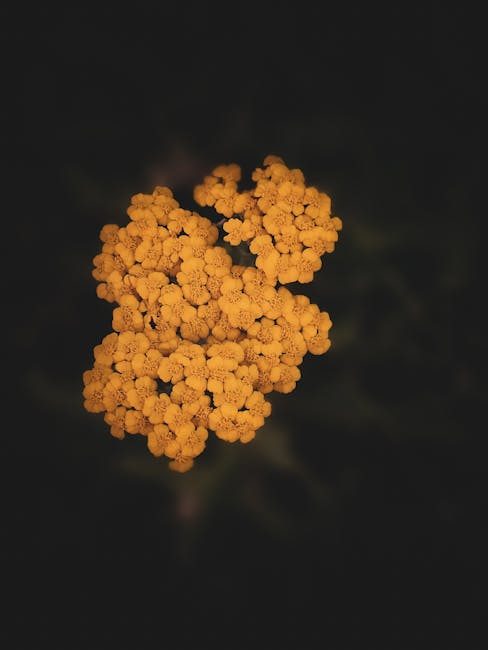
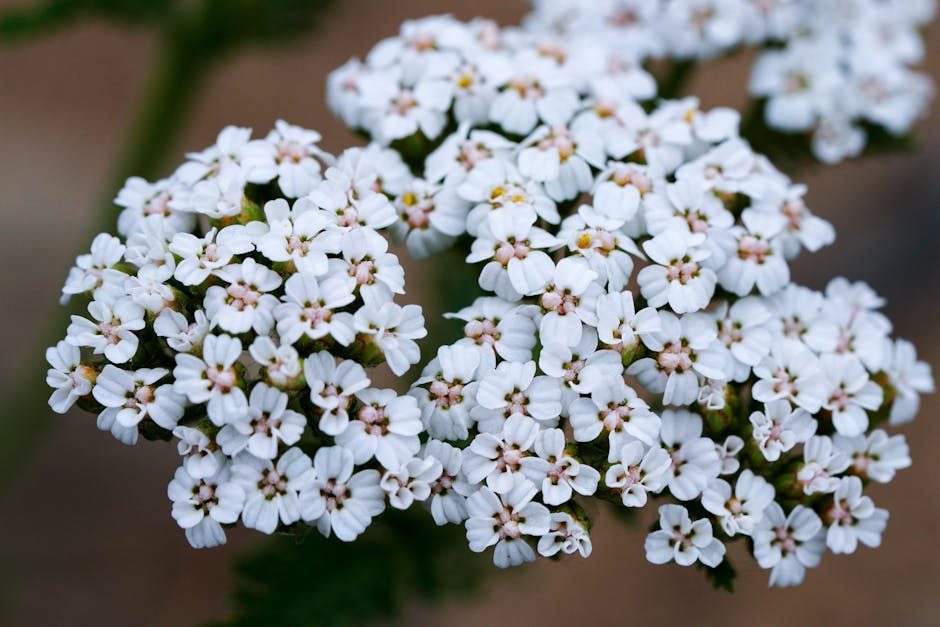
Walk through a meadow, and you might spot Achillea millefolium, or yarrow, displaying its delicate, feathery leaves and clusters of tiny flowers. But don’t let its beauty fool you. This unassuming plant is a powerhouse of medicinal properties, a natural first-aid kit packed into a single herb. Forget complicated remedies; yarrow offers a simple, effective approach to wellness, backed by centuries of use and increasingly supported by modern science.
The Chemistry Behind the Cure: Yarrow’s Active Ingredients
What makes yarrow so effective? It’s all about the unique blend of compounds it contains:
- Achilleine: The key to yarrow’s fame as a styptic, quickly stopping bleeding. Think of it as nature’s bandage.
- Chamazulene: An essential oil known for its vibrant blue color and potent anti-inflammatory action, like a natural ibuprofen.
- Flavonoids & Rutin: Powerful antioxidants that protect cells from damage, acting as tiny bodyguards against environmental stressors.
- Tannins: Astringents that tighten tissues and reduce swelling, like a natural compress for minor injuries.
- Volatile oils: contribute to yarrow’s antimicrobial and pain-relieving properties
Beyond the Battlefield: Everyday Uses for Yarrow
While famously used on battlefields to staunch wounds, yarrow’s benefits extend far beyond emergency situations. Here are some practical applications for modern life:
Scrapes and Scratches: Nature’s Antiseptic Bandage
Got a minor cut or scrape? Skip the harsh chemicals and reach for yarrow. Its achilleine content stops bleeding, while its antiseptic properties prevent infection. Simply crush a few fresh leaves and apply them to the wound. Think of it as a natural, plant-based Band-Aid.
Tummy Troubles: Soothing Digestive Relief
Feeling bloated or gassy after a meal? Yarrow can help. Its bitter compounds stimulate digestion, helping your body break down food more efficiently. A cup of yarrow tea after dinner can ease digestive discomfort. It’s like a gentle nudge for your digestive system.
Fever Fighter: A Natural Cooling System
Fighting a fever? Yarrow is a diaphoretic, meaning it promotes sweating, which helps cool the body and eliminate toxins. Brew a warm cup of yarrow tea and let it work its magic. It’s like a natural thermostat, helping to regulate your body temperature.
Gentle Period Support: Easing Monthly Discomfort
Yarrow has a long history of use in women’s health. Its astringent properties can help regulate menstrual flow, while its anti-inflammatory action can ease cramps. However, always consult a healthcare professional before using yarrow for menstrual issues. Think of it as a natural support system, but always with professional guidance.
The Science is In: Research Backs Yarrow’s Power
Modern research is catching up to traditional knowledge, confirming yarrow’s therapeutic potential:
- Inflammation Reduction: Studies show that chamazulene, a key component of yarrow, has significant anti-inflammatory effects, potentially benefiting conditions like arthritis.
- Antioxidant Protection: Yarrow’s flavonoids act as antioxidants, protecting cells from damage and potentially reducing the risk of chronic diseases like heart disease and cancer.
- Wound Healing Acceleration: Research confirms yarrow’s ability to speed up wound closure and promote tissue regeneration, validating its traditional use in wound care.
Yarrow in Your Life: Simple Ways to Use It
Ready to experience the benefits of yarrow? Here are a few easy ways to incorporate it into your routine:
- Yarrow Tea: Steep dried yarrow flowers and leaves in hot water for a soothing, slightly bitter tea.
- Yarrow Compress: Soak a cloth in yarrow tea and apply it to inflamed skin for relief.
- Yarrow Salve: Find a commercially prepared yarrow salve for easy application to minor cuts and scrapes.
- Yarrow Bath: Add yarrow tea to your bath for a relaxing and skin-soothing experience.
Important Considerations: Safety First
While generally safe, yarrow does have some potential side effects:
- Allergies: If you’re allergic to ragweed, chrysanthemums, or marigolds, you may also be allergic to yarrow.
- Pregnancy and Breastfeeding: Avoid using yarrow during pregnancy and breastfeeding due to lack of safety data.
- Sun Sensitivity: Yarrow may increase sensitivity to sunlight. Wear sunscreen when using it topically.
- Drug Interactions: Yarrow may interact with blood thinners. Consult your doctor before use if you’re on medication.
Embrace the Simplicity: Yarrow as Your Natural Ally
Yarrow offers a simple, effective, and time-tested approach to wellness. From minor cuts and scrapes to digestive discomfort and fever relief, this versatile herb can be a valuable addition to your natural first-aid kit. By understanding its benefits and precautions, you can unlock the healing power of yarrow and experience its transformative effects.
If you want a practical next step, you can also check out Heal your past, design your future.
If you want a practical next step, you can also check out Become an Ultimate Master of your life.


 ADVANCED LEVEL BIOLOGY, NEW CURRICULUM, SENIOR FIVEAdvanced Secondary,Biology
  Command Your Timeline: Heal the Past, Design Your FutureIntelligence,Skills Development
  SHAPTA MOCKS 2024
 Ultimate Me: Unlock Your Ultimate Potential & Energy HealingIntelligence,Skills Development
  NLSC: SENIOR THREE AGRICULTUREAgriculture,New Lower Secondary Curriculum,Ordinary Secondary
 What is ChatGPT?General
- Bridging the Digital Divide: Uganda’s Education Revolution Through Digital Literacy and Teacher TrainingGeneral
 Uganda’s Digital Leap: Transforming Primary Education Through TechnologyGeneral
- Uganda’s Education Renaissance: Combating Learning Loss and Empowering EducatorsGeneral
 The Art of the Subjective: Exploring the Nuances of Book ReviewingGeneral
 Crafting the Perfect Book Review: A Guide for Aspiring CriticsGeneral
 Unveiling the Layers: A Deep Dive into Book Reviewing Beyond Plot SummariesGeneral
 The Art of the Book Review: Beyond Summary, Towards Deeper ConnectionGeneral
 The Art of Crafting a Compelling Book Review: Beyond Summary and CritiqueGeneral
 Crafting Compelling Book Reviews: Beyond Summary, Towards InfluenceGeneral
- The Quintessential Watch Collection: A 30-Year Journey and Lessons for Ugandan LearnersGeneral
 KAKURU BENARDSample Activity of Integration on Forests, Forest resources and Forestry in Africa
- KAKURU BENARDSample Activity of Integration on Trade within and outside East Africa
 Babirye SandraO-LEVEL ENTREPRENUERSHIP,PETTY CASHBOOK ASSIGNMENT
- Babirye SandraO-LEVEL ENTREPRENUERSHIP,PETTY CASHBOOK ASSIGNMENT
- Babirye SandraO-LEVEL ENTREPRENUERSHIP,PETTY CASHBOOK ASSIGNMENT

0 responses on "The Healing Power of Yarrow: A Comprehensive Guide to Uses, Benefits, and Precautions"