
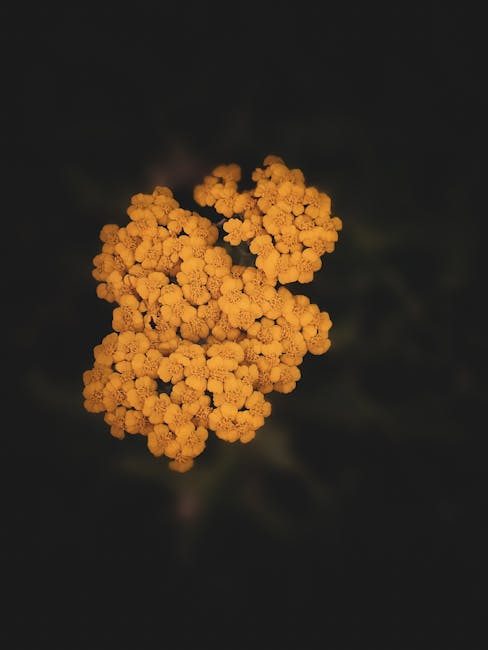
Yarrow: More Than Just a Pretty Wildflower
Often overlooked in meadows and along roadsides, yarrow (Achillea millefolium) is far more than a common wildflower. This unassuming plant boasts a remarkable array of therapeutic properties, earning it a place in traditional medicine systems worldwide. Let’s move beyond the superficial and explore the science-backed benefits of yarrow, understanding how it can contribute to holistic health and well-being.
Beyond Achilles: Exploring Yarrow’s Global Heritage
While the legend of Achilles using yarrow to treat his soldiers’ wounds is captivating, yarrow’s story extends far beyond ancient Greece. Indigenous cultures across the globe have independently discovered and utilized yarrow for centuries. For example, Native American tribes have traditionally used yarrow to staunch bleeding, treat skin conditions, and alleviate pain. In traditional Chinese medicine, yarrow stalks are used in I Ching divination. This widespread and independent adoption underscores the plant’s potent and readily observable effects.
Decoding Yarrow: Identifying the Right Plant
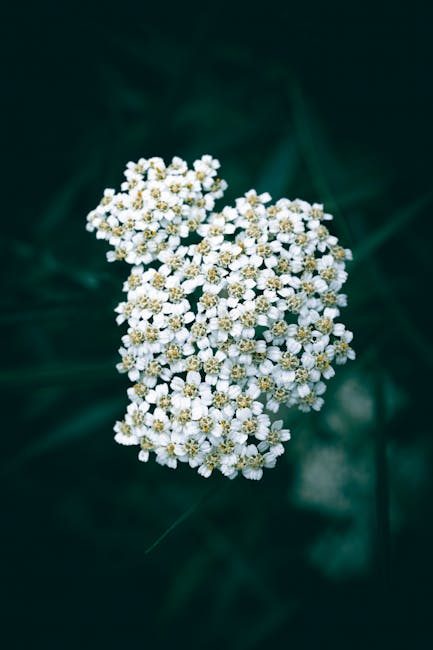
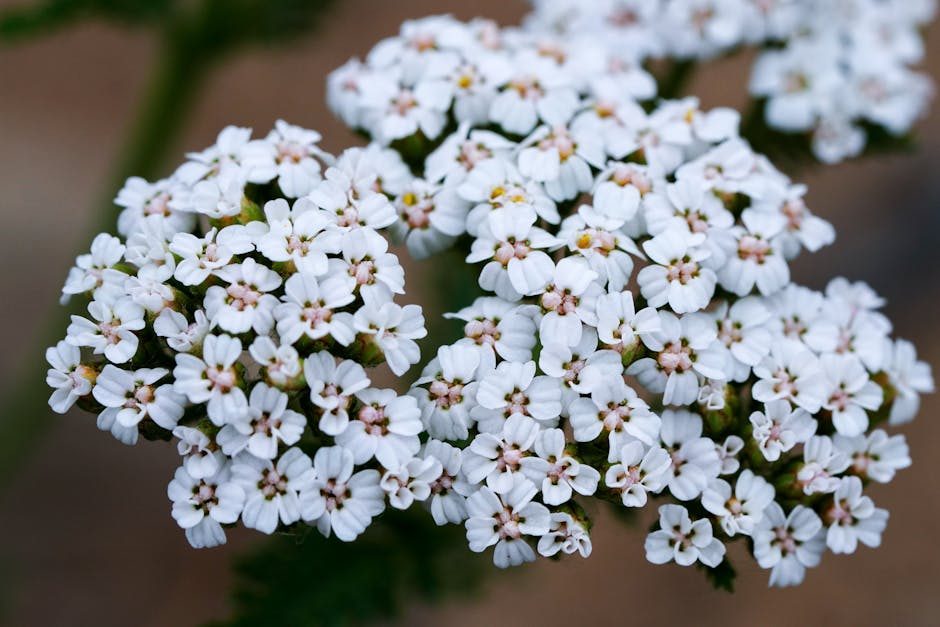
Before incorporating yarrow into your wellness routine, accurate identification is crucial. Look for feathery, almost fern-like leaves and clusters of small, densely packed flowers, typically white but sometimes pink or yellow. Yarrow thrives in sunny, well-drained locations. A practical tip: crush a leaf and smell it. Yarrow has a distinct, aromatic scent that is quite different from other plants.
Avoiding Misidentification: A Matter of Safety
Mistaking yarrow for a toxic look-alike can have serious consequences. Water hemlock, for instance, is deadly poisonous and can resemble yarrow to the untrained eye. The key difference lies in the stem: yarrow has a fuzzy stem, while water hemlock has a smooth stem often marked with purple. When in doubt, consult with an experienced herbalist or botanist before harvesting any wild plant.
The Science Behind the Healing: Yarrow’s Active Compounds
Yarrow’s therapeutic effects stem from its complex chemical composition. Key active compounds include:
- Achilleine: Contributes to yarrow’s ability to stop bleeding.
- Chamazulene: A potent anti-inflammatory agent, giving yarrow its characteristic blue color when distilled.
- Flavonoids: Antioxidants that protect cells from damage.
- Volatile Oils (e.g., cineole, borneol): Contribute to yarrow’s antiseptic and antimicrobial properties.
Harnessing Yarrow’s Power: Practical Applications
These compounds work synergistically to provide a range of benefits:
- First Aid: A yarrow poultice can be applied to minor cuts and scrapes to disinfect and promote healing. Imagine using it on a child’s scraped knee after a playground adventure.
- Immune Support: Yarrow tea can help support the immune system during cold and flu season. Think of it as a comforting and effective way to fight off those winter bugs.
- Skin Care: Yarrow-infused oil can soothe irritated skin and reduce inflammation. Consider using it on eczema or psoriasis flare-ups.
- Digestive Aid: Yarrow’s bitter compounds can stimulate digestion and relieve bloating.
Integrating Yarrow into Your Life: Methods of Consumption
Yarrow’s versatility allows for various methods of preparation and consumption:
- Infusion (Tea): A gentle and effective way to extract yarrow’s beneficial compounds.
- Tincture: A concentrated liquid extract that can be taken internally or applied topically.
- Salve/Ointment: Ideal for treating skin conditions and promoting wound healing.
- Essential Oil: Used in aromatherapy and topical applications (always diluted).
Crafting Your Own Yarrow-Infused Oil
Here’s a simple recipe for making yarrow-infused oil:
- Gather fresh or dried yarrow flowers and leaves.
- Place the yarrow in a clean glass jar.
- Cover the yarrow with a carrier oil, such as olive oil or almond oil.
- Seal the jar and let it sit in a warm, sunny place for 4-6 weeks, shaking it occasionally.
- Strain the oil through cheesecloth and store it in a dark glass bottle.
Responsible Use: Precautions and Contraindications
While generally safe, yarrow is not for everyone:
- Allergic Reactions: Those with allergies to the Asteraceae family should exercise caution.
- Pregnancy: Avoid yarrow during pregnancy as it may stimulate uterine contractions.
- Photosensitivity: Yarrow can increase sensitivity to sunlight; use sunscreen when using it topically.
- Drug Interactions: Yarrow may interact with blood-thinning medications.
Always consult with a qualified healthcare professional before using yarrow, especially if you have any pre-existing health conditions or are taking medications.
Conclusion: Embracing Yarrow as a Partner in Wellness
Yarrow offers a compelling example of nature’s power to support health and well-being. By understanding its properties, uses, and precautions, we can responsibly incorporate this remarkable herb into our lives, unlocking its potential for healing and vitality. It’s a reminder that sometimes, the most potent remedies are found right under our feet.
If you want a practical next step, you can also check out Heal your past, design your future.
If you want a practical next step, you can also check out Become an Ultimate Master of your life.


 ADVANCED LEVEL BIOLOGY, NEW CURRICULUM, SENIOR FIVEAdvanced Secondary,Biology
  Command Your Timeline: Heal the Past, Design Your FutureIntelligence,Skills Development
  SHAPTA MOCKS 2024
 Ultimate Me: Unlock Your Ultimate Potential & Energy HealingIntelligence,Skills Development
  NLSC: SENIOR THREE AGRICULTUREAgriculture,New Lower Secondary Curriculum,Ordinary Secondary
 What is ChatGPT?General
- Bridging the Digital Divide: Uganda’s Education Revolution Through Digital Literacy and Teacher TrainingGeneral
 Uganda’s Digital Leap: Transforming Primary Education Through TechnologyGeneral
- Uganda’s Education Renaissance: Combating Learning Loss and Empowering EducatorsGeneral
 The Art of the Subjective: Exploring the Nuances of Book ReviewingGeneral
 Crafting the Perfect Book Review: A Guide for Aspiring CriticsGeneral
 Unveiling the Layers: A Deep Dive into Book Reviewing Beyond Plot SummariesGeneral
 The Art of the Book Review: Beyond Summary, Towards Deeper ConnectionGeneral
 The Art of Crafting a Compelling Book Review: Beyond Summary and CritiqueGeneral
 Crafting Compelling Book Reviews: Beyond Summary, Towards InfluenceGeneral
- The Quintessential Watch Collection: A 30-Year Journey and Lessons for Ugandan LearnersGeneral
 KAKURU BENARDSample Activity of Integration on Forests, Forest resources and Forestry in Africa
- KAKURU BENARDSample Activity of Integration on Trade within and outside East Africa
 Babirye SandraO-LEVEL ENTREPRENUERSHIP,PETTY CASHBOOK ASSIGNMENT
- Babirye SandraO-LEVEL ENTREPRENUERSHIP,PETTY CASHBOOK ASSIGNMENT
- Babirye SandraO-LEVEL ENTREPRENUERSHIP,PETTY CASHBOOK ASSIGNMENT

0 responses on "The Healing Power of Yarrow: A Comprehensive Guide"