
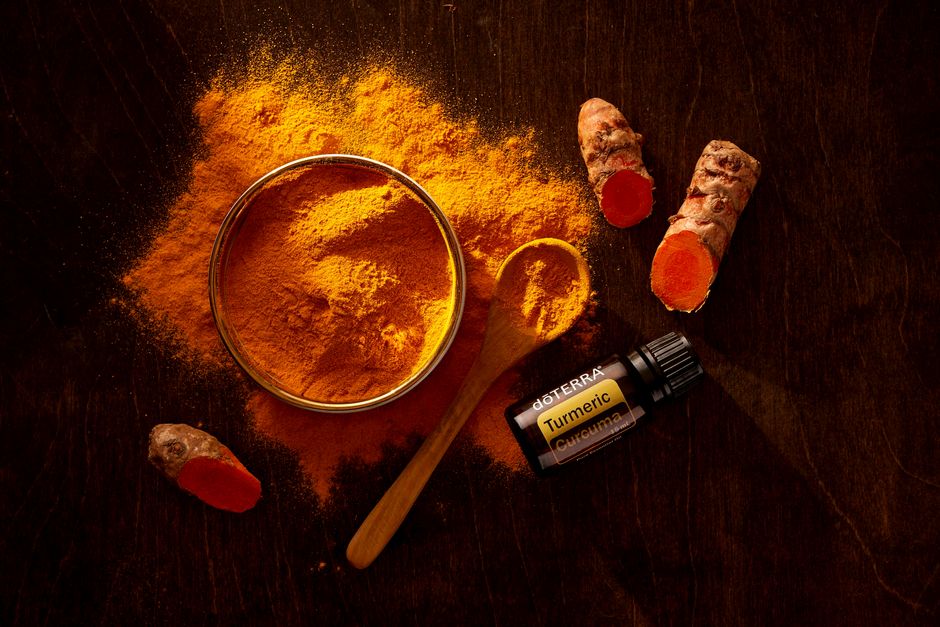
Hidden in plain sight on most kitchen shelves, turmeric is one of those rare ingredients that bridges the gap between culinary tradition and cutting-edge nutritional science. What cooks have prized for flavor and color for millennia, researchers are now confirming as a genuine powerhouse for human health.
- Curcuma longa, the plant behind turmeric, has been cultivated and used medicinally across South Asia, East Africa, and the Middle East for over four thousand years.
- Curcumin, the key bioactive molecule in turmeric, is the subject of more than 12,500 peer-reviewed studies catalogued through 2024.
- Research links curcumin to measurable improvements in joint function, gut health, brain performance, skin conditions, and systemic inflammation.
- Turmeric is widely available and inexpensive, making it one of the most accessible evidence-backed botanicals on the market.
- Preparation technique dramatically affects how much curcumin your body can actually absorb and put to work.
From Underground Rhizome to Global Remedy
Turmeric is not a leaf, a seed, or a berry — it is a rhizome, an underground stem that grows beneath a flowering plant reaching close to a metre tall. When you slice through a fresh turmeric rhizome, you encounter a vivid orange interior that stains everything it touches. Dried and ground, that rhizome becomes the familiar golden-yellow powder used in curries, mustards, and wellness drinks around the world.
Botanically, turmeric belongs to the same family as ginger, and the two share a similar knobby appearance. The plant thrives in tropical climates with consistent warmth and moisture. India dominates global production, supplying roughly 78 percent of the world’s turmeric, with Bangladesh, Sri Lanka, Pakistan, and parts of East Africa contributing the remainder. Within the rhizome sits a class of compounds called curcuminoids, and the most biologically active among them — curcumin — is responsible for both the plant’s signature color and the bulk of its therapeutic reputation.
Long before clinical trials existed, Ayurvedic medicine in India and traditional Chinese medicine had already established turmeric as a go-to remedy for wounds, digestive complaints, and inflammatory conditions. That accumulated empirical knowledge is now being examined through the lens of modern biochemistry, and the results are largely validating what traditional healers observed centuries ago.
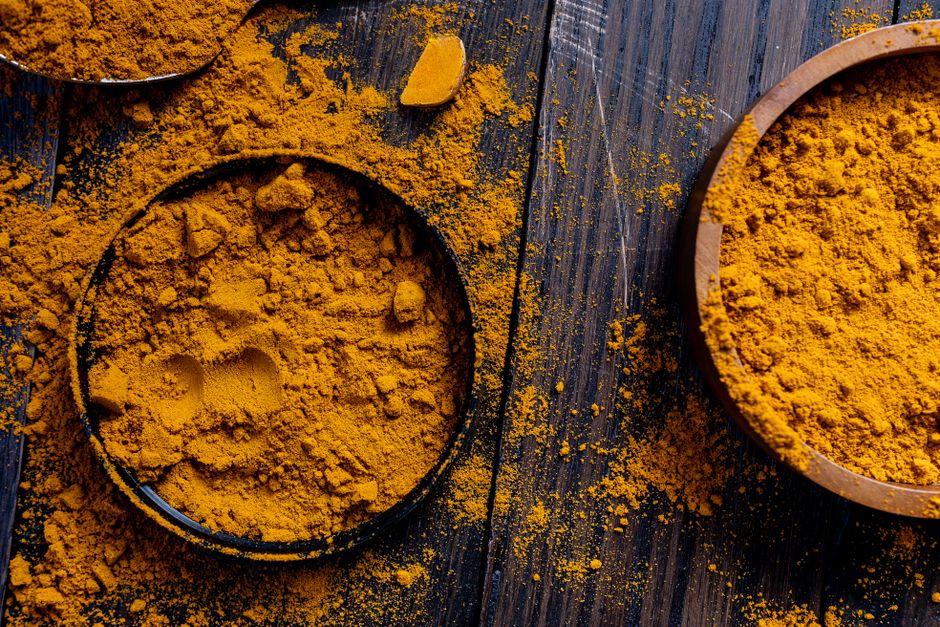
How Curcumin Interacts With Your Biology
What makes curcumin scientifically interesting is not that it does one thing well — it is that it operates across several biological pathways simultaneously. Understanding those pathways helps explain why turmeric appears in research on such a wide range of conditions.
At the cellular level, curcumin functions as a direct antioxidant, intercepting and neutralising free radicals before they can damage DNA, proteins, or cell membranes. Think of free radicals as sparks that can ignite cellular damage; curcumin acts as a fire suppressant. Crucially, it also activates the body’s internal antioxidant production systems, including enzymes like superoxide dismutase and catalase, so the protective effect extends well beyond what curcumin itself can neutralise directly.
Equally important is curcumin’s role as an anti-inflammatory agent. It targets a protein complex called NF-kB, which functions like an on-switch for inflammatory gene expression inside cells. When NF-kB is chronically activated — as it is in many modern lifestyle-related diseases — it drives a persistent low-grade inflammatory state that quietly damages tissues over years and decades. Conditions including cardiovascular disease, type 2 diabetes, certain cancers, and neurodegenerative disorders all carry this signature of chronic inflammation. Curcumin intervenes at the molecular level, blocking NF-kB activation rather than simply reducing the downstream symptoms it produces.
The Absorption Problem and How to Solve It
There is a significant catch with curcumin: the human body struggles to absorb it efficiently. Consumed in isolation, curcumin is broken down and cleared from the bloodstream so quickly that very little reaches the tissues where it is needed. This is not a reason to dismiss turmeric, but it is a reason to pay attention to how you consume it.

Four Practical Strategies to Maximise Curcumin Uptake
- Combine with black pepper: Black pepper contains piperine, a compound that blocks the liver enzymes responsible for metabolising curcumin too rapidly. Research has shown that adding even a small amount of black pepper to a turmeric preparation can increase curcumin bioavailability by up to 2,000 percent. A simple turmeric-and-black-pepper salad dressing is enough to make a meaningful difference.
- Pair with healthy fats: Curcumin is fat-soluble, meaning it disperses and absorbs far more effectively when lipids are present. Stirring turmeric into full-fat coconut milk for a golden latte, blending it with avocado in a smoothie, or cooking it in olive oil are all practical ways to exploit this chemistry.
- Apply gentle heat: Warming turmeric improves the solubility of curcuminoid compounds and activates certain molecular forms that are less bioavailable in their raw state. A simmered turmeric soup or a warm spiced drink will deliver more usable curcumin than the same quantity of powder dusted cold over a salad.
- Choose advanced supplement formulations: For those opting for concentrated curcumin supplements, products using phytosome technology — which binds curcumin to phospholipid molecules — or nanoparticle encapsulation have demonstrated substantially superior absorption in clinical settings compared with standard curcumin powder capsules.
Conditions Where Turmeric Shows the Strongest Evidence
No botanical compound is a cure-all, and responsible discussion of turmeric requires acknowledging the limits of current evidence alongside its genuine strengths. That said, curcumin has accumulated a more rigorous body of clinical support than almost any other plant-derived compound in nutritional science.
Taking the next step becomes straightforward when you have the right support — Heal your past, design your future is worth exploring.
Taking the next step becomes straightforward when you have the right support — Become an Ultimate Master of your life is worth exploring.
Arthritis and Joint Inflammation
Among the most replicated findings in curcumin research is its effectiveness for joint-related conditions. In several randomised controlled trials involving patients with osteoarthritis of the knee, curcumin supplementation produced reductions in pain and improvements in mobility comparable to those achieved with ibuprofen — a commonly prescribed non-steroidal anti-inflammatory drug. The significant advantage curcumin held in these comparisons was its side-effect profile: unlike long-term NSAID use, which carries documented risks of gastrointestinal bleeding and cardiovascular strain, curcumin was well tolerated across extended periods. For patients who need ongoing inflammation management but cannot safely use pharmaceutical anti-inflammatories, this distinction matters considerably.
Cognitive Health and Neurological Protection
Curcumin is one of relatively few dietary compounds confirmed to cross the blood-brain barrier, the tightly regulated membrane that restricts access to brain tissue. Once inside the central nervous system, curcumin has been shown in both animal models and early human trials to inhibit the accumulation of amyloid-beta plaques and tau protein tangles — the two structural hallmarks of Alzheimer’s disease pathology. It also stimulates the production of brain-derived neurotrophic factor, commonly abbreviated as BDNF, a protein that supports the growth of new neural connections and helps preserve cognitive function as the brain ages. Epidemiological data adds an intriguing layer to this picture: elderly populations in rural India, where turmeric consumption is consistently high, show notably lower rates of Alzheimer’s disease than demographically comparable groups in Western countries.
Digestive Function and Gut Integrity
Traditional medicine systems across multiple cultures independently converged on turmeric as a remedy for digestive discomfort, and contemporary gastroenterology research is beginning to explain why. Curcumin stimulates bile production in the gallbladder, which aids the breakdown of dietary fats and reduces the bloating and sluggishness that can follow fatty meals. Clinical studies in patients with irritable bowel syndrome have reported meaningful reductions in abdominal pain and irregular bowel patterns with regular curcumin supplementation. More significantly, research into inflammatory bowel diseases — including Crohn’s disease and ulcerative colitis — has found that curcumin can help reduce intestinal inflammation and support the integrity of the gut lining, potentially reducing the permeability that allows inflammatory triggers to enter the bloodstream.
Cardiovascular Risk Factors
Heart disease involves multiple converging risk factors, and curcumin has demonstrated measurable effects on several of them. Studies have shown improvements in endothelial function — the health of the thin cellular layer lining blood vessels — which is critical for regulating blood pressure and preventing arterial damage. Curcumin has also been associated with modest reductions in LDL cholesterol oxidation, a process that contributes to arterial plaque formation. Its anti-inflammatory effects are particularly relevant here, given that chronic vascular inflammation is now understood to be a primary driver of atherosclerosis rather than simply a consequence of it.
Skin Health and Wound Recovery
Applied topically or consumed internally, turmeric has a documented history of supporting skin health. Its antimicrobial properties make it effective against certain bacterial and fungal skin pathogens, while its anti-inflammatory action helps calm conditions like psoriasis, eczema, and acne. Curcumin also influences collagen synthesis and wound contraction, accelerating the tissue repair process. Clinical studies have explored turmeric-based topical formulations for post-inflammatory hyperpigmentation — the dark spots that persist after acne or injury — with encouraging results.
Practical Ways to Use Turmeric Every Day
Incorporating turmeric into a daily routine does not require supplements or elaborate recipes. The following approaches cover a range of preferences and lifestyles.
Golden Milk
Warm a cup of full-fat dairy or plant-based milk — coconut milk works particularly well for bioavailability — and whisk in one teaspoon of turmeric powder, a quarter teaspoon of black pepper, a pinch of cinnamon, and a small amount of honey or maple syrup to taste. This combination addresses the fat-solubility and piperine-enhancement requirements simultaneously, making it one of the most absorption-efficient ways to consume turmeric.
Cooking Curries, Soups, and Stews
Turmeric is an ingredient in most traditional curry pastes and blends for good reason. Adding it to lentil soups, vegetable stews, rice dishes, or roasted cauliflower provides a steady dietary intake. Cooking in oil and including black pepper as a seasoning takes care of the absorption factors without any extra effort.
Smoothies and Juices
Fresh turmeric root, peeled and grated, can be added to fruit and vegetable smoothies. Pairing it with a nut butter or avocado provides the fat component, while a pinch of black pepper — largely undetectable in a sweet smoothie — handles the piperine requirement. Approximately one to two centimetres of fresh root is equivalent to roughly half a teaspoon of dried powder.
Supplementation
For those seeking higher therapeutic doses than diet alone can provide, standardised curcumin supplements are widely available. Doses used in clinical research typically range from 500 to 2,000 milligrams of curcumin per day, depending on the condition being addressed. Choosing a product with a confirmed delivery system — phytosome, liposomal, or nanoparticle formulation — is advisable for meaningful absorption at supplemental doses.
Safety, Dosage, and Who Should Exercise Caution
Turmeric consumed as a culinary spice is considered safe for the vast majority of people, including during pregnancy when used in normal food quantities. At supplemental doses, side effects are uncommon but can include mild nausea or loose stools, particularly when starting at higher doses. A small number of individuals with a predisposition to kidney stones should be aware that turmeric is moderately high in oxalates and may warrant moderation.
More important are the drug interaction considerations. Curcumin can enhance the effects of blood-thinning medications such as warfarin, increasing bleeding risk. It may also interact with certain chemotherapy drugs, diabetes medications, and antacids. Anyone taking prescription medications for chronic conditions should consult a healthcare provider before beginning high-dose curcumin supplementation.
The Bigger Picture: A Spice That Earns Its Reputation
What distinguishes turmeric from the crowded field of wellness trends is the depth and consistency of the scientific literature behind it. Twelve thousand peer-reviewed studies do not emerge around a compound that fails to deliver measurable effects. The mechanisms are understood, the clinical outcomes are replicated across independent research groups, and the safety profile at dietary and moderate supplemental doses is well established.
Whether you encounter turmeric as the golden base of a slow-cooked curry, the warming note in a bedtime drink, or a precisely dosed capsule taken alongside a meal, the underlying biology remains the same. A compound that interrupts inflammation at the molecular level, protects neurons, supports the gut, and assists cardiovascular health — all while being affordable, accessible, and thousands of years proven — deserves a permanent place in any serious conversation about evidence-based nutrition.


 UACE UNEB SAMPLE PAPERS 2026Advanced Secondary
  ADVANCED LEVEL BIOLOGY, NEW CURRICULUM, SENIOR FIVEAdvanced Secondary,Biology
  Command Your Timeline: Heal the Past, Design Your FutureIntelligence,Skills Development
  SHAPTA MOCKS 2024
 Ultimate Me: Unlock Your Ultimate Potential & Energy HealingIntelligence,Skills Development
 What is ChatGPT?General
 Digital Literacy in Uganda: Why Schools Are Falling BehindGeneral
 Elderberry: The Wildcrafted Herb That Heals NaturallyGeneral
 Turmeric: The Golden Herb That Heals From the Inside OutGeneral
 Turmeric: The Golden Herb That Heals From the Inside OutGeneral
 Closing the Skills Gap: How Industry-Led Skilling Shapes Your FutureGeneral
 Turmeric: The Golden Herb That Heals From the Inside OutGeneral
 Turmeric: The Golden Herb That Heals From the Inside OutGeneral
- BookTok’s Hidden Power: How Readers Are Rewriting Their LivesGeneral
 Susan Grau: Trapped in a Freezer at 4 — Her NDE Changed EverythingGeneral
 How Uganda Students Can Master Exams & Transform Their LearningGeneral
 KAKURU BENARDSample Activity of Integration on Forests, Forest resources and Forestry in Africa
- KAKURU BENARDSample Activity of Integration on Trade within and outside East Africa
 Babirye SandraO-LEVEL ENTREPRENUERSHIP,PETTY CASHBOOK ASSIGNMENT
- Babirye SandraO-LEVEL ENTREPRENUERSHIP,PETTY CASHBOOK ASSIGNMENT
- Babirye SandraO-LEVEL ENTREPRENUERSHIP,PETTY CASHBOOK ASSIGNMENT

0 responses on "Turmeric: The Golden Herb That Heals From the Inside Out"