

From Classroom to Community: Uganda’s Education Revolution
Kampala, Uganda – Forget endless repetition and standardized tests. A quiet revolution is brewing in Ugandan education, one that prizes critical thinking and practical problem-solving above all else. This isn’t just about better test scores; it’s about equipping young Ugandans to thrive in a complex world, driving innovation and building a stronger future for the nation.
The Limits of the Lecture Hall
For years, Ugandan classrooms have echoed with the sound of rote learning. While foundational knowledge is important, the old system often left students unable to apply what they learned. Imagine a student who can ace a history exam but struggles to analyze current events. This gap between theory and practice frustrates employers seeking creative problem-solvers and stifles the entrepreneurial spirit needed to fuel economic growth. The old methods simply weren’t cutting it in a rapidly evolving world.
Igniting Curiosity: The Power of Asking ‘Why?’
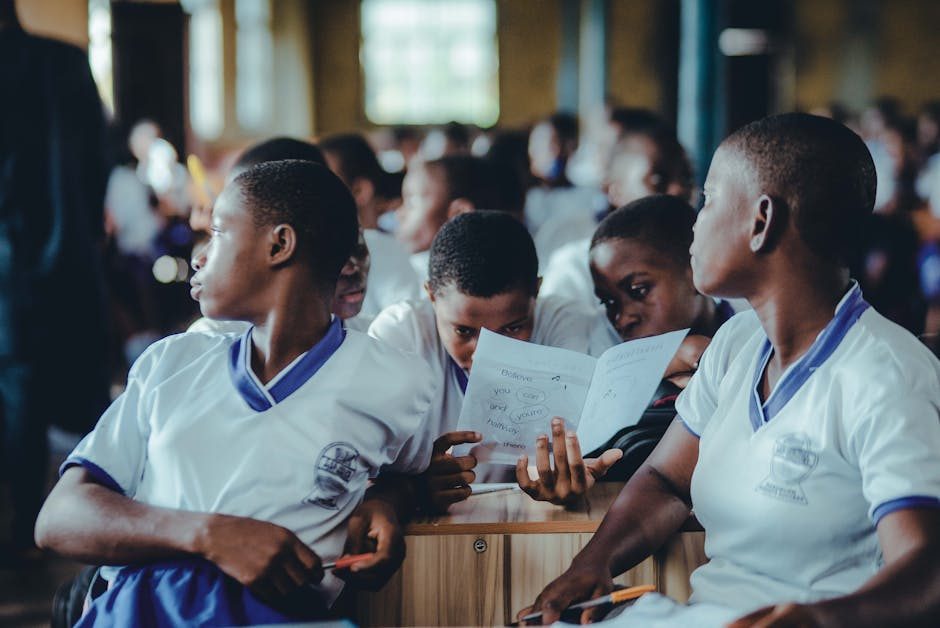
The answer? Inquiry-based learning. This approach flips the traditional classroom on its head. Instead of passively receiving information, students actively explore, question, and investigate. Think of a science class where, instead of just reading about the water cycle, students design and build their own mini-ecosystems to observe it firsthand. This active engagement fosters a deeper understanding and cultivates crucial skills like collaboration, communication, and critical analysis – skills highly sought after in today’s job market.
Take, for example, a project where students investigate the challenges faced by local farmers due to climate change. They research sustainable farming techniques, interview farmers, and develop innovative solutions. This not only deepens their understanding of environmental science but also empowers them to become agents of change in their communities.

Re-training Teachers, Re-writing the Rules
This shift requires more than just new textbooks. It demands a fundamental change in how teachers teach. Teacher training programs are being redesigned to equip educators with the skills to facilitate inquiry-based learning and create dynamic, student-centered classrooms.
New Tools for a New Era
Teachers are learning to embrace new pedagogical approaches, including:
- Real-World Projects: Students tackle projects that mirror real-world challenges, applying their knowledge in practical ways. For instance, designing a marketing campaign for a local business.
- Teamwork Triumphs: Collaborative learning encourages students to work together, share ideas, and solve problems as a team.
- The Power of Questions: Inquiry-based learning empowers students to ask questions, investigate, and discover answers for themselves, fostering a lifelong love of learning.
Technology as a Catalyst
Technology is playing a vital role, providing access to digital resources, online learning platforms, and interactive tools. Imagine students using virtual reality to explore ancient civilizations or collaborating on a research project with students from another country. The government is investing in infrastructure to ensure that all students, regardless of location, have access to these powerful resources.
Obstacles and Opportunities on the Path Forward
The journey isn’t without its challenges:
- Resource Constraints: Many schools struggle with limited resources, hindering their ability to fully implement inquiry-based learning.
- Teacher Shortages: A shortage of qualified teachers, particularly in rural areas, remains a significant hurdle.
- Tradition vs. Transformation: Overcoming resistance to new teaching methods from some parents and community members is crucial.
But the opportunities are immense:
- Government Commitment: Increased government investment in education signals a strong commitment to this transformation.
- International Support: Growing support from international organizations provides valuable resources and expertise.
- Teacher Dedication: The unwavering commitment of teachers and educators to improve the quality of education is the driving force behind this movement.
A Future Forged in Innovation
Uganda’s educational renaissance is more than just a reform; it’s an investment in the future. By nurturing critical thinking, problem-solving skills, and a spirit of innovation, Uganda is empowering its students to become the leaders, entrepreneurs, and change-makers of tomorrow. This transformation is not just reshaping classrooms; it’s shaping the destiny of a nation, positioning Uganda as a beacon of innovation and creativity in East Africa and beyond.
If you want a practical next step, you can also check out Heal your past, design your future.
If you want a practical next step, you can also check out Become an Ultimate Master of your life.


 UACE UNEB SAMPLE PAPERS 2026Advanced Secondary
  ADVANCED LEVEL BIOLOGY, NEW CURRICULUM, SENIOR FIVEAdvanced Secondary,Biology
  Command Your Timeline: Heal the Past, Design Your FutureIntelligence,Skills Development
  SHAPTA MOCKS 2024
 Ultimate Me: Unlock Your Ultimate Potential & Energy HealingIntelligence,Skills Development
 What is ChatGPT?General
- BookTok’s Economic Engine: How Viral Videos Reshape Bestseller ListsGeneral
- The BookTok Effect: How TikTok Rewrites Publishing & Creates CareersGeneral
- The Psychology of BookTok: Why It Sells Books & Builds WorldsGeneral
- The BookTok Effect: How Emotion Drives the New Publishing Gold RushGeneral
- The BookTok Economy: Publishing’s Viral Gold Rush ExplainedGeneral
- The Anatomy of a Viral BookTok Video: Deconstructing the FormulaGeneral
- The BookTok Economy: How TikTok Rewrote the Rules of PublishingGeneral
- The BookTok Effect: How TikTok Rewrote the Rules of PublishingGeneral
- The BookTok Effect: Why Viral Videos Control What We ReadGeneral
- The BookTok Effect: How TikTok Rewrote the Rules of PublishingGeneral
 KAKURU BENARDSample Activity of Integration on Forests, Forest resources and Forestry in Africa
- KAKURU BENARDSample Activity of Integration on Trade within and outside East Africa
 Babirye SandraO-LEVEL ENTREPRENUERSHIP,PETTY CASHBOOK ASSIGNMENT
- Babirye SandraO-LEVEL ENTREPRENUERSHIP,PETTY CASHBOOK ASSIGNMENT
- Babirye SandraO-LEVEL ENTREPRENUERSHIP,PETTY CASHBOOK ASSIGNMENT

0 responses on "Uganda's Educational Renaissance: Cultivating Critical Thinking for a Brighter Future"