
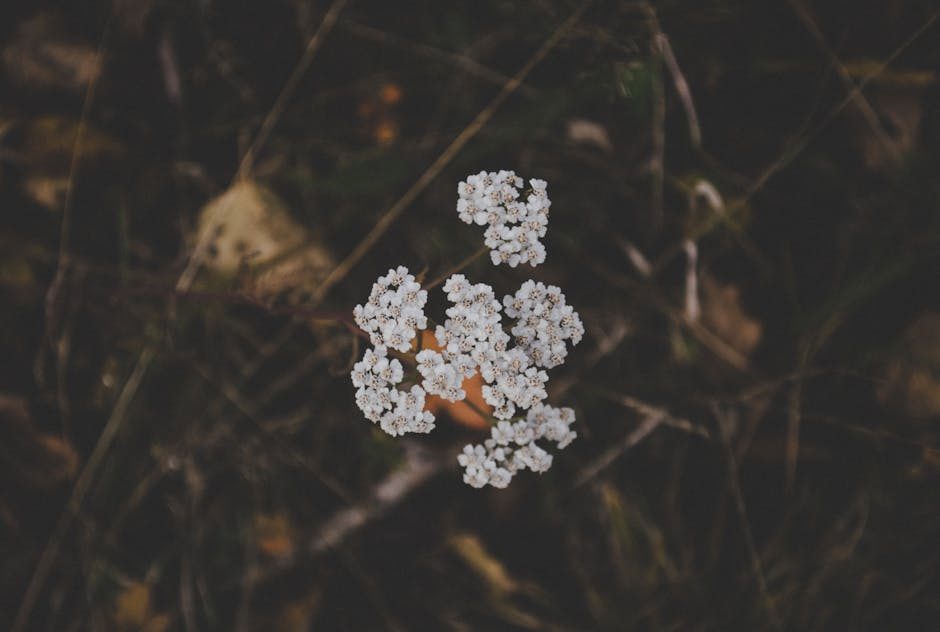
Yarrow: Nature’s Multi-Talented Remedy
Achillea millefolium, better known as yarrow, is a widely available herb steeped in medicinal history. From battlefields of old where it stopped bleeding to modern kitchens where it eases discomfort, yarrow has proven itself a valuable tool in herbal medicine. This guide provides an in-depth look at yarrow, examining its benefits, applications, identification methods, and safety considerations, giving you a thorough understanding of this extraordinary plant.
Spotting Yarrow: Essential for Safe Application
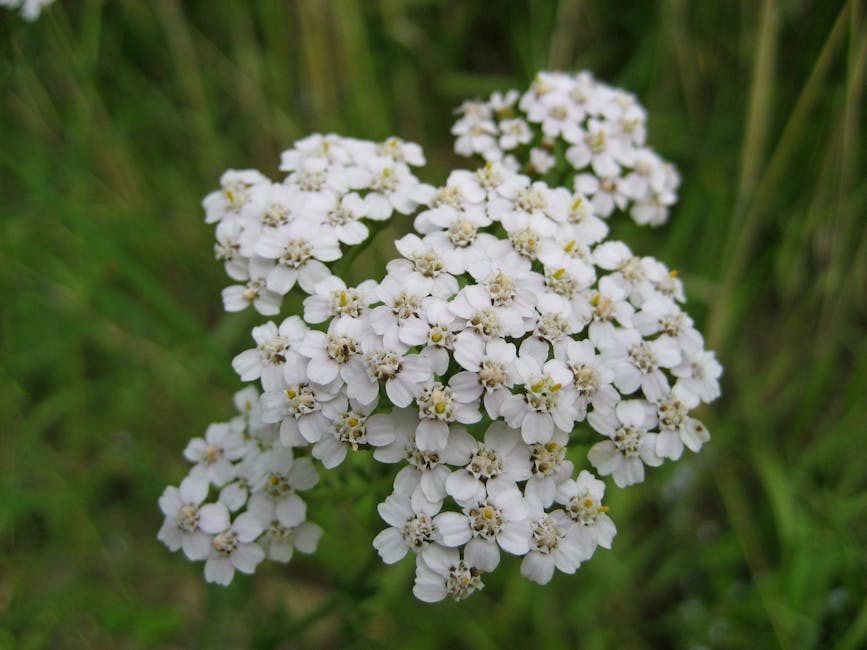
Accurate identification of yarrow is paramount before utilizing it for health purposes. Yarrow is a perennial, generally reaching a height of 1 to 3 feet. Its defining characteristic is its delicate, fern-like foliage, finely segmented and positioned alternately on the stalk. The plant yields groups of small, daisy-shaped blossoms, typically white but occasionally pink or yellow. These flowers emit a potent, fragrant aroma. Yarrow flourishes in sunny areas with good drainage and can be located in meadows, fields, and alongside roadways in North America, Europe, and Asia.
When collecting yarrow, take care to differentiate it from similar plants. For example, poison hemlock can resemble yarrow when young, but it features smooth, hairless stalks and a moldy scent. Always verify your identification using several traits and seek advice from a knowledgeable herbalist if you have any doubts.
Yarrow’s Impressive Healing Abilities
Yarrow’s healing capabilities stem from a diverse mix of active ingredients, including flavonoids, alkaloids, ses
If you want a practical next step, you can also check out Heal your past, design your future.
If you want a practical next step, you can also check out Become an Ultimate Master of your life.


 ADVANCED LEVEL BIOLOGY, NEW CURRICULUM, SENIOR FIVEAdvanced Secondary,Biology
  Command Your Timeline: Heal the Past, Design Your FutureIntelligence,Skills Development
  SHAPTA MOCKS 2024
 Ultimate Me: Unlock Your Ultimate Potential & Energy HealingIntelligence,Skills Development
  NLSC: SENIOR THREE AGRICULTUREAgriculture,New Lower Secondary Curriculum,Ordinary Secondary
 What is ChatGPT?General
- Bridging the Digital Divide: Uganda’s Education Revolution Through Digital Literacy and Teacher TrainingGeneral
 Uganda’s Digital Leap: Transforming Primary Education Through TechnologyGeneral
- Uganda’s Education Renaissance: Combating Learning Loss and Empowering EducatorsGeneral
 The Art of the Subjective: Exploring the Nuances of Book ReviewingGeneral
 Crafting the Perfect Book Review: A Guide for Aspiring CriticsGeneral
 Unveiling the Layers: A Deep Dive into Book Reviewing Beyond Plot SummariesGeneral
 The Art of the Book Review: Beyond Summary, Towards Deeper ConnectionGeneral
 The Art of Crafting a Compelling Book Review: Beyond Summary and CritiqueGeneral
 Crafting Compelling Book Reviews: Beyond Summary, Towards InfluenceGeneral
- The Quintessential Watch Collection: A 30-Year Journey and Lessons for Ugandan LearnersGeneral
 KAKURU BENARDSample Activity of Integration on Forests, Forest resources and Forestry in Africa
- KAKURU BENARDSample Activity of Integration on Trade within and outside East Africa
 Babirye SandraO-LEVEL ENTREPRENUERSHIP,PETTY CASHBOOK ASSIGNMENT
- Babirye SandraO-LEVEL ENTREPRENUERSHIP,PETTY CASHBOOK ASSIGNMENT
- Babirye SandraO-LEVEL ENTREPRENUERSHIP,PETTY CASHBOOK ASSIGNMENT

0 responses on "Yarrow: A Comprehensive Guide to Uses, Benefits, and Precautions"