
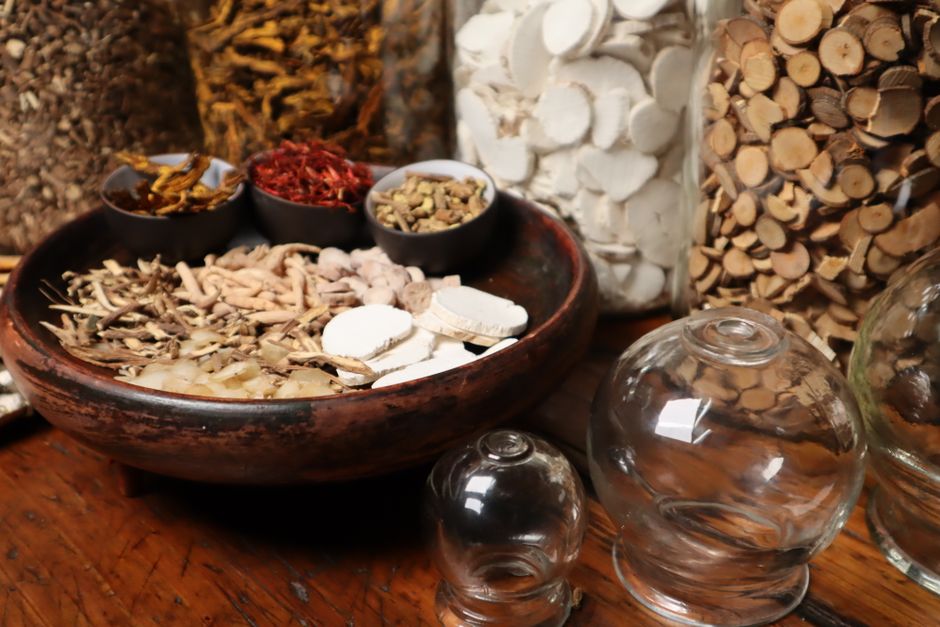
Long before cortisol became a buzzword and wellness influencers flooded social media feeds, Ayurvedic physicians in ancient India were prescribing a small, unassuming shrub to help patients cope with physical and mental strain. That shrub — Withania somnifera, commonly known as ashwagandha — has now accumulated enough peer-reviewed research to earn serious attention from mainstream medicine.
- Quick Summary:
- Clinical trials have recorded cortisol reductions of up to 30% in participants taking standardised ashwagandha extracts.
- Documented benefits include improvements in stress tolerance, sleep quality, physical stamina, hormonal balance, and memory.
- Available formats include capsules, raw root powder, liquid tinctures, and teas — each suited to different needs and lifestyles.
- Pregnant women, people with autoimmune disorders, and those on thyroid or immunosuppressant medications should seek medical advice before supplementing.
- Conventional pharmaceutical alternatives exist but often carry heavier side-effect burdens compared to this botanical option.
What Exactly Is Ashwagandha?
Ashwagandha is a hardy, drought-tolerant shrub native to the dry regions of India, parts of North Africa, and the Mediterranean basin. Its Sanskrit name — loosely translated as “smell of horse” — reflects both the root’s distinctive earthy odour and a traditional belief that consuming it regularly could confer horse-like strength and stamina upon the user.
Within the Ayurvedic system, it belongs to a prestigious category of herbs called Rasayanas — tonics believed to slow ageing, strengthen resilience, and restore vitality. This classification placed ashwagandha alongside a relatively small number of plants considered foundational to long-term health rather than merely symptomatic relief.
The plant’s therapeutic reputation rests largely on a group of naturally occurring compounds called withanolides — steroidal lactones concentrated primarily in the root. These molecules are the subject of most modern ashwagandha research and are responsible for the majority of its measurable physiological effects.
The Biology Behind the Benefits
To understand why ashwagandha works, it helps to understand what happens when the body experiences prolonged stress. The hypothalamic-pituitary-adrenal (HPA) axis — a feedback loop connecting the brain and adrenal glands — triggers the release of cortisol in response to perceived threats. In short bursts, this is entirely healthy. But when stress becomes chronic, cortisol levels remain persistently elevated, contributing to a cascade of problems: disrupted sleep, weight gain around the abdomen, suppressed immunity, and heightened anxiety.
Withanolides appear to modulate this system by reducing the sensitivity of the HPA axis to stress signals, effectively turning down the volume on the body’s alarm response. Additionally, ashwagandha has demonstrated neuroprotective activity, anti-inflammatory effects, and the ability to support mitochondrial function — the cellular machinery responsible for energy production. This multi-target action explains why the herb’s benefits are so wide-ranging rather than narrowly focused.
Evidence-Backed Applications
Managing Chronic Stress and Anxiety
The most robust clinical evidence for ashwagandha centres on stress and anxiety reduction. In a landmark 60-day trial, participants taking a standardised root extract reported stress levels dropping by approximately 44%, with corresponding decreases in serum cortisol and notable improvements in sleep duration and quality. These findings have been replicated across multiple double-blind, placebo-controlled studies, making this the herb’s best-supported therapeutic application.
Consider someone working in a high-pressure corporate environment who experiences persistent tension headaches, poor sleep, and difficulty switching off after work. Rather than immediately reaching for sedative pharmaceuticals — which carry risks of dependency and daytime drowsiness — ashwagandha offers a biologically grounded alternative that addresses the hormonal root of the problem.
Physical Performance and Recovery
Competitive athletes and recreational gym-goers alike have begun incorporating ashwagandha into their training regimens. Research measuring VO2 max — the gold standard for assessing aerobic capacity — has shown meaningful improvements in participants supplementing with ashwagandha compared to placebo groups. Additional studies have documented faster muscle recovery, reduced exercise-induced inflammation, and measurable gains in muscular strength over eight to twelve weeks of consistent use.
For a long-distance runner struggling with prolonged recovery times between training sessions, or a weightlifter whose progress has plateaued, ashwagandha represents a non-stimulant option for enhancing physiological adaptation to exercise stress.
For those looking to take the next step, Heal your past, design your future is a resource worth exploring.
For those looking to take the next step, Become an Ultimate Master of your life is a resource worth exploring.
Thyroid Hormone Regulation
An area that has attracted growing clinical interest is ashwagandha’s apparent ability to stimulate production of the thyroid hormones T3 and T4. For individuals diagnosed with subclinical hypothyroidism — where thyroid function is measurably low but not yet severe enough to warrant pharmaceutical intervention — this effect may offer meaningful relief from symptoms like fatigue, cold sensitivity, and mental sluggishness.
It is worth emphasising, however, that this same stimulating effect makes ashwagandha potentially problematic for anyone already taking thyroid medication. Combining the two without medical supervision risks pushing thyroid hormone levels too high, which carries its own set of complications.
Male Hormonal Health
Several controlled trials have examined ashwagandha’s impact on testosterone and fertility in men. One notable study involving infertile male participants found a 17% increase in testosterone levels and a striking 167% improvement in sperm count after 90 days of supplementation. Researchers attribute these effects to reduced oxidative stress in reproductive tissue and improved regulation of luteinising hormone — a key driver of testosterone production.
For men in their forties experiencing unexplained fatigue, reduced libido, or fertility challenges linked to chronic stress, these findings present a compelling case for considering ashwagandha as part of a broader health strategy.
Brain Health and Cognitive Sharpness
Neurological research into ashwagandha is still maturing, but early findings are encouraging. Studies in healthy adult volunteers have reported improvements in working memory, information-processing speed, and reaction time following eight weeks of supplementation. The proposed mechanism involves the herb’s antioxidant compounds reducing oxidative damage in brain tissue — a process implicated in age-related cognitive decline and neurodegenerative conditions.
While ashwagandha is not a substitute for established dementia treatments, it may serve a meaningful preventive role for individuals in midlife who are proactively managing cognitive ageing.
Choosing the Right Format and Dose
Ashwagandha reaches consumers in several distinct forms, and the right choice depends on individual goals, lifestyle, and tolerance:
- Capsules and tablets with standardised extracts: The format used in most clinical research. Products standardised to 5–10% withanolide content at doses of 300–600 mg per day offer the most predictable therapeutic effect.
- Raw root powder: The traditionally used form, typically stirred into warm milk, blended into smoothies, or brewed as a tea. Daily amounts generally range from 1 to 6 grams, though withanolide concentration varies between batches.
- Liquid tinctures: Absorbed relatively quickly and easy to incorporate into drinks, but potency varies considerably between manufacturers — making label scrutiny important.
- Herbal teas: The mildest delivery method, appropriate for general wellness maintenance rather than addressing specific clinical concerns.
Regardless of format, taking ashwagandha alongside food is generally recommended to reduce the likelihood of gastrointestinal discomfort. Many users find evening dosing particularly effective, given the herb’s well-documented support for sleep quality.
Groups Who Should Proceed Carefully
Ashwagandha’s strong safety record should not be mistaken for universal suitability. Several populations face specific risks that warrant medical consultation before use:
- Pregnant women: Animal studies suggest ashwagandha may stimulate uterine contractions, raising concerns about miscarriage risk. It is considered unsafe during pregnancy until human data proves otherwise.
- People with autoimmune conditions: Because ashwagandha can stimulate immune activity, individuals with rheumatoid arthritis, lupus, or multiple sclerosis should use it cautiously, as immune stimulation may worsen these conditions.
- Those on thyroid medications: As noted above, the herb’s thyroid-stimulating properties can interact unpredictably with levothyroxine and similar drugs.
- Individuals taking sedatives or anti-anxiety medication: Ashwagandha’s calming effects may compound the action of these drugs, potentially causing excessive sedation.
How It Compares to Pharmaceutical Alternatives
Conventional medicine offers effective tools for managing stress, anxiety, hormonal imbalances, and cognitive decline — but these tools often come with trade-offs. Benzodiazepines, for instance, are highly effective for acute anxiety but carry significant risks of dependence and cognitive impairment with long-term use. Synthetic hormone therapies for thyroid or testosterone issues require careful monitoring and can produce side effects ranging from cardiovascular strain to mood disturbances.
Ashwagandha does not replace these interventions in cases of serious or acute illness. What it does offer is a well-tolerated, evidence-supported option for individuals dealing with subclinical or stress-related conditions who prefer to begin with a lower-risk approach — or who wish to complement existing treatment under medical supervision.
Practical Guidance for Getting Started
For most healthy adults, beginning with a standardised capsule extract in the 300–500 mg range taken once daily with an evening meal represents a sensible starting point. Effects are rarely immediate — most clinical studies observe meaningful changes after four to eight weeks of consistent use, which aligns with how adaptogens generally work: gradually recalibrating physiological systems rather than producing rapid symptomatic relief.
Sourcing matters considerably. Look for products that have undergone third-party testing for heavy metals and microbial contaminants — a particular concern with root-based supplements sourced from regions with variable agricultural standards. Reputable brands will typically display certifications from organisations such as NSF International or USP on their labelling.
Final Assessment
Ashwagandha occupies an unusual position in the supplement landscape: an ancient remedy with a genuinely modern evidence base. It is neither a miracle cure nor a marginal curiosity. For individuals navigating chronic stress, hormonal disruption, exercise recovery challenges, or early cognitive concerns, the existing research justifies serious consideration — provided it is approached with the same critical thinking applied to any health intervention.
Consulting a qualified healthcare provider remains the wisest first step, particularly for anyone managing existing health conditions or taking prescription medications. Used appropriately, however, ashwagandha stands as one of the more compelling examples of traditional botanical wisdom holding up under scientific scrutiny.


 UACE UNEB SAMPLE PAPERS 2026Advanced Secondary
  ADVANCED LEVEL BIOLOGY, NEW CURRICULUM, SENIOR FIVEAdvanced Secondary,Biology
  Command Your Timeline: Heal the Past, Design Your FutureIntelligence,Skills Development
  SHAPTA MOCKS 2024
 Ultimate Me: Unlock Your Ultimate Potential & Energy HealingIntelligence,Skills Development
 What is ChatGPT?General
 Elderberry: The Wildcrafted Herb That Fights Illness NaturallyGeneral
 Elderberry: The Wildcrafted Herb That Heals NaturallyGeneral
 Friday Shutdown Routine That Replaced My Sunday Reset for GoodGeneral
 Turmeric: The Golden Herb That Heals From the Inside OutGeneral
 Turmeric: The Golden Herb That Heals From the Inside OutGeneral
 Best Free AI Voice Tools Available Right Now in 2025General
 Minecraft Quests & Ugandan Curriculum: Learn Through GamingGeneral
- Uganda Schools on the Brink: The Human Cost of Aid Cuts 2026General
 CapCut AI Ad Test: Is It Fast or Just Flashy?General
 Turmeric: The Golden Herb That Heals From the Inside OutGeneral
 KAKURU BENARDSample Activity of Integration on Forests, Forest resources and Forestry in Africa
- KAKURU BENARDSample Activity of Integration on Trade within and outside East Africa
 Babirye SandraO-LEVEL ENTREPRENUERSHIP,PETTY CASHBOOK ASSIGNMENT
- Babirye SandraO-LEVEL ENTREPRENUERSHIP,PETTY CASHBOOK ASSIGNMENT
- Babirye SandraO-LEVEL ENTREPRENUERSHIP,PETTY CASHBOOK ASSIGNMENT

0 responses on "Ashwagandha: The Ancient Root That Heals Modern Stress"