
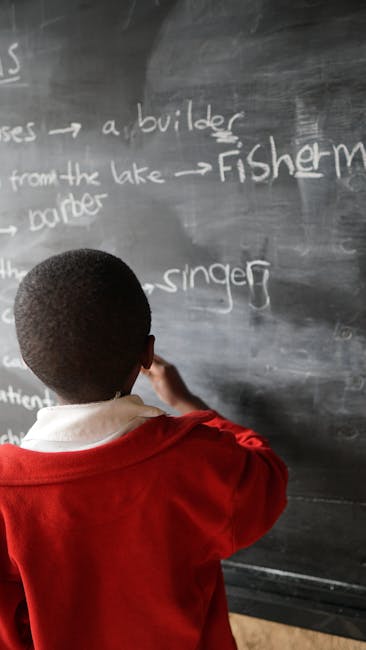
Beyond Rote Learning: Uganda’s Holistic Education Revolution
Kampala, Uganda – A transformative wave is sweeping through Uganda’s education sector, shifting the focus from mere academic achievement to the comprehensive development of each student. This progressive approach emphasizes critical thinking, creativity, and emotional resilience, aiming to prepare young Ugandans to thrive in an increasingly complex and interconnected world.
The Limitations of Traditional Metrics: A Call for Change
Historically, Ugandan schools, like many globally, have relied heavily on standardized tests and grades to measure student success. While these assessments gauge knowledge acquisition, they often fail to capture a student’s full potential. Critics argue that this over-reliance on exams can lead to rote memorization, undue stress, and a neglect of crucial life skills. Consider the example of a student brilliant in art but struggling with math; the traditional system might label them ‘less successful,’ overlooking their unique talents.
A Broader Definition of Success: Equipping Students for Life
Recognizing these limitations, Ugandan educators and policymakers are advocating for a more holistic educational paradigm. This involves incorporating activities that cultivate innovation, analytical abilities, problem-solving skills, and emotional intelligence. The goal is to empower students with the skills and qualities necessary to succeed in any path they choose. An example is introducing design thinking workshops to encourage creative problem-solving.
Key Elements of Uganda’s Holistic Education Model
Uganda’s holistic education model is built upon several fundamental elements, each contributing to the complete development of students. These elements extend beyond traditional subjects, focusing on personal growth and societal contribution.
Fostering Emotional Intelligence and Well-being
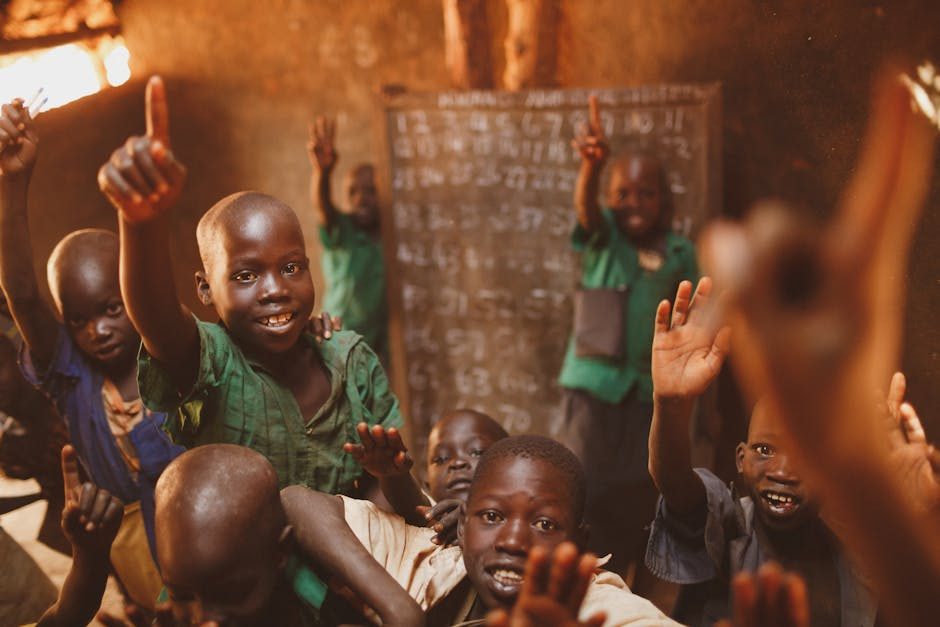
Understanding the critical role of emotional health, schools are increasingly implementing programs that teach students to understand and manage their feelings. This includes developing empathy, building strong relationships, and learning effective strategies for resolving conflicts. Techniques like mindfulness practices and peer mediation are being introduced to enhance emotional literacy. Imagine a scenario where a student can effectively manage their frustration during a challenging assignment, leading to a more productive outcome.
Cultivating Civic Engagement and Social Responsibility
Holistic education highlights the significance of contributing to the community. Students are encouraged to participate in volunteer work, engage in civic projects, and develop a sense of responsibility toward their environment. This fosters a sense of belonging and empowers students to become active and responsible citizens. An example is organizing community clean-up drives led by students.
Developing Practical Skills and Entrepreneurial Mindset
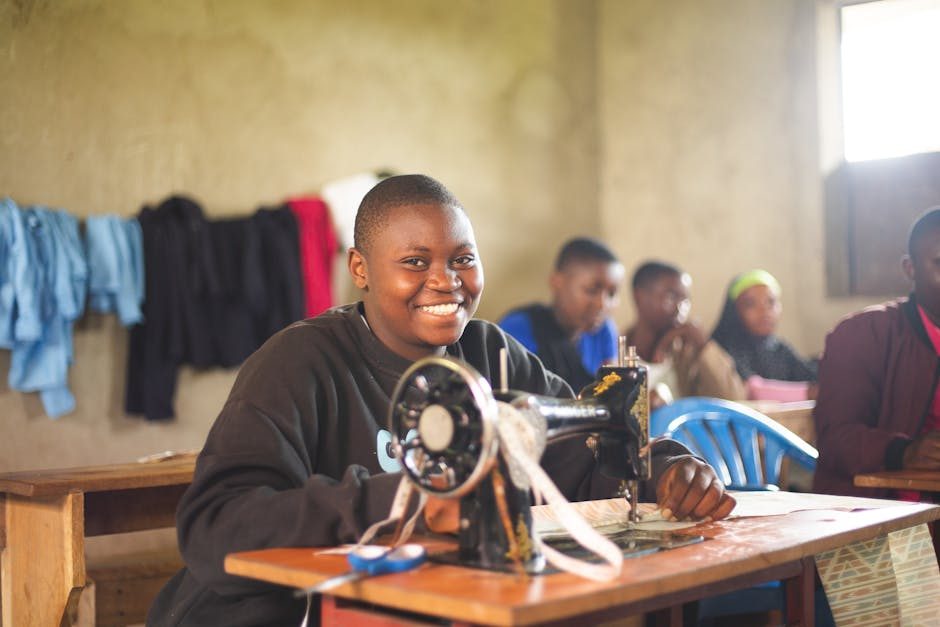
Alongside academic knowledge, practical skills are essential for navigating the real world. Holistic education includes vocational training, entrepreneurship initiatives, and hands-on learning to equip students with the skills they need to succeed in the workforce. This encompasses skills such as critical thinking, collaboration, and resourcefulness. Imagine students learning to build and market a product as part of a school project.
Navigating Challenges and Embracing Opportunities
While the transition to holistic education holds great promise, it also presents significant challenges. These include limited funding, inadequate teacher training, and resistance from established educational structures. However, through continued investment, innovative strategies, and a dedication to student-centered learning, Uganda can overcome these hurdles and establish a truly transformative education system. The opportunities are vast, with the potential to empower future generations to lead meaningful and impactful lives. A key opportunity lies in leveraging technology to personalize learning and provide access to diverse educational resources. Moreover, strengthening partnerships between schools, local businesses, and community organizations can create invaluable mentorship and experiential learning opportunities for students.
If you want a practical next step, you can also check out Heal your past, design your future.
If you want a practical next step, you can also check out Become an Ultimate Master of your life.


 ADVANCED LEVEL BIOLOGY, NEW CURRICULUM, SENIOR FIVEAdvanced Secondary,Biology
  Command Your Timeline: Heal the Past, Design Your FutureIntelligence,Skills Development
  SHAPTA MOCKS 2024
 Ultimate Me: Unlock Your Ultimate Potential & Energy HealingIntelligence,Skills Development
  NLSC: SENIOR THREE AGRICULTUREAgriculture,New Lower Secondary Curriculum,Ordinary Secondary
 What is ChatGPT?General
 Elderberry: The Wildcrafted Herb That Fights Illness NaturallyGeneral
 Elderberry: The Wildcrafted Herb That Heals NaturallyGeneral
 Friday Shutdown Routine That Replaced My Sunday Reset for GoodGeneral
 Turmeric: The Golden Herb That Heals From the Inside OutGeneral
 Turmeric: The Golden Herb That Heals From the Inside OutGeneral
 Best Free AI Voice Tools Available Right Now in 2025General
 Minecraft Quests & Ugandan Curriculum: Learn Through GamingGeneral
- Uganda Schools on the Brink: The Human Cost of Aid Cuts 2026General
 CapCut AI Ad Test: Is It Fast or Just Flashy?General
 Turmeric: The Golden Herb That Heals From the Inside OutGeneral
 KAKURU BENARDSample Activity of Integration on Forests, Forest resources and Forestry in Africa
- KAKURU BENARDSample Activity of Integration on Trade within and outside East Africa
 Babirye SandraO-LEVEL ENTREPRENUERSHIP,PETTY CASHBOOK ASSIGNMENT
- Babirye SandraO-LEVEL ENTREPRENUERSHIP,PETTY CASHBOOK ASSIGNMENT
- Babirye SandraO-LEVEL ENTREPRENUERSHIP,PETTY CASHBOOK ASSIGNMENT
0 responses on "Beyond the Classroom: Exploring Holistic Development in Uganda's Education System"