

From Classrooms to Construction Sites: Uganda’s Skills-Based Education Surge
For generations, Ugandan education has primarily emphasized academic achievement. However, a significant shift is underway, recognizing the critical importance of practical skills. Technical and Vocational Education and Training (TVET) is rapidly gaining prominence as a key driver of economic growth and individual empowerment, particularly in vital sectors like agriculture, manufacturing, and the burgeoning tech industry.
Beyond Theory: Equipping Ugandans with Practical Skills
Uganda’s economic progress has been hampered by a persistent skills gap – a mismatch between the skills possessed by the workforce and the demands of employers. This disconnect contributes to unemployment, reduces productivity, and weakens Uganda’s competitive edge in the global market. TVET is strategically positioned to bridge this gap, providing learners with hands-on, job-ready skills directly aligned with industry needs. Imagine a young graduate, trained in solar panel installation through a TVET program, immediately contributing to Uganda’s growing renewable energy sector.
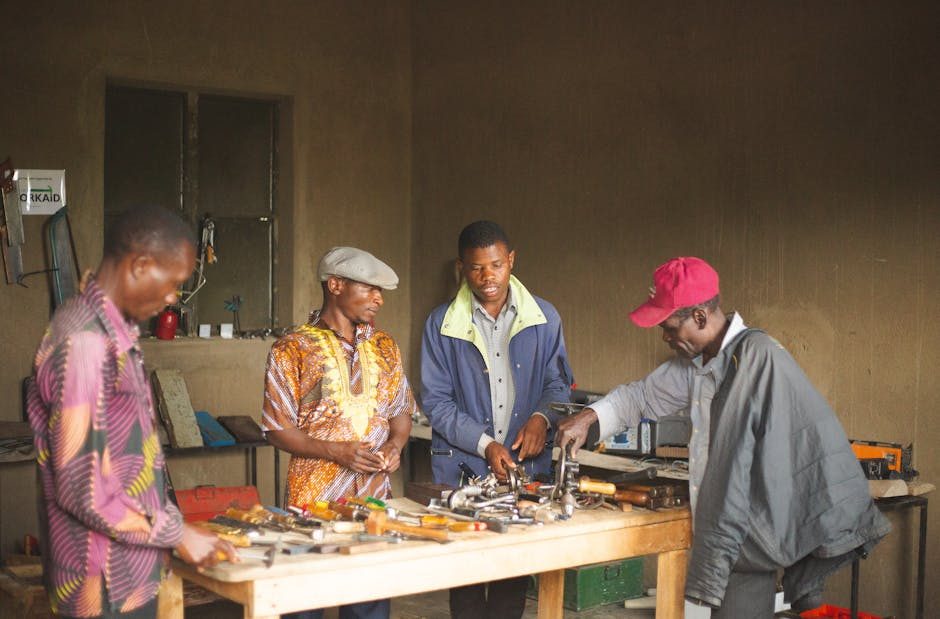
The Ugandan government, in collaboration with international organizations, is investing heavily in upgrading TVET institutions. This includes modernizing workshops with state-of-the-art equipment, developing dynamic curricula that reflect the latest industry trends, and providing advanced training for instructors. The objective is to ensure that TVET programs are not only accessible but also meet rigorous quality standards and mirror real-world industry practices. Furthermore, public awareness campaigns are actively promoting TVET as a viable and rewarding career path, challenging the traditional notion that academic education is the only route to success. Consider the “Skills Uganda” initiative, showcasing success stories of TVET graduates who have launched successful businesses and are contributing to their communities.
TVET: Powering Uganda’s Key Industries
A robust TVET system promises significant benefits for several key sectors in Uganda. Examples include:

- Agriculture: Training in precision agriculture, sustainable farming practices, and agribusiness management can revolutionize agricultural output and enhance food security. Imagine farmers using drone technology, learned through a TVET course, to monitor their crops and optimize irrigation.
- Manufacturing: TVET equips workers with the skills to operate and maintain advanced machinery, implement rigorous quality control measures, and manage production processes efficiently, thereby boosting the competitiveness of Ugandan manufacturers.
- Construction: With Uganda’s rapid infrastructure development, skilled construction workers are in high demand. TVET programs provide individuals with the expertise to build roads, bridges, and buildings to international standards.
- Information Technology: TVET programs focused on software development, cybersecurity, and data analytics can fuel the growth of Uganda’s tech sector and create high-paying jobs.
Navigating Challenges, Seizing Opportunities
While TVET in Uganda is making significant strides, it also faces certain challenges:
- Financial Constraints: Consistent and adequate funding is crucial for maintaining and upgrading TVET facilities, offering scholarships to deserving students, and developing relevant and up-to-date curricula.
- Public Perception: Overcoming the perception of TVET as a less desirable option requires continuous awareness campaigns and demonstrating the tangible career opportunities available to TVET graduates.
- Quality Control: Maintaining the quality of TVET programs and ensuring their alignment with industry needs necessitates robust quality assurance mechanisms and close collaboration with employers.
However, Uganda’s TVET sector also has considerable opportunities:
- Economic Expansion: Uganda’s growing economy generates a strong demand for skilled workers across various sectors, creating abundant opportunities for TVET graduates.
- Demographic Dividend: Uganda’s youthful population represents a vast pool of potential talent for TVET programs.
- Government Commitment: The Ugandan government is deeply committed to promoting TVET and has implemented various policies and initiatives to foster its growth.
Uganda’s Skilled Future: A Vision for TVET
The future of TVET in Uganda is bright. With sustained investment, strong partnerships between government, industry, and training institutions, and a relentless focus on quality and relevance, TVET can play a transformative role in driving Uganda’s economic development and empowering its citizens. By providing individuals with the skills they need to thrive, TVET can help Uganda achieve its development objectives and create a more prosperous future for all.
If you want a practical next step, you can also check out Heal your past, design your future.
If you want a practical next step, you can also check out Become an Ultimate Master of your life.


 ADVANCED LEVEL BIOLOGY, NEW CURRICULUM, SENIOR FIVEAdvanced Secondary,Biology
  Command Your Timeline: Heal the Past, Design Your FutureIntelligence,Skills Development
  SHAPTA MOCKS 2024
 Ultimate Me: Unlock Your Ultimate Potential & Energy HealingIntelligence,Skills Development
  NLSC: SENIOR THREE AGRICULTUREAgriculture,New Lower Secondary Curriculum,Ordinary Secondary
 What is ChatGPT?General
- Bridging the Digital Divide: Uganda’s Education Revolution Through Digital Literacy and Teacher TrainingGeneral
 Uganda’s Digital Leap: Transforming Primary Education Through TechnologyGeneral
- Uganda’s Education Renaissance: Combating Learning Loss and Empowering EducatorsGeneral
 The Art of the Subjective: Exploring the Nuances of Book ReviewingGeneral
 Crafting the Perfect Book Review: A Guide for Aspiring CriticsGeneral
 Unveiling the Layers: A Deep Dive into Book Reviewing Beyond Plot SummariesGeneral
 The Art of the Book Review: Beyond Summary, Towards Deeper ConnectionGeneral
 The Art of Crafting a Compelling Book Review: Beyond Summary and CritiqueGeneral
 Crafting Compelling Book Reviews: Beyond Summary, Towards InfluenceGeneral
- The Quintessential Watch Collection: A 30-Year Journey and Lessons for Ugandan LearnersGeneral
 KAKURU BENARDSample Activity of Integration on Forests, Forest resources and Forestry in Africa
- KAKURU BENARDSample Activity of Integration on Trade within and outside East Africa
 Babirye SandraO-LEVEL ENTREPRENUERSHIP,PETTY CASHBOOK ASSIGNMENT
- Babirye SandraO-LEVEL ENTREPRENUERSHIP,PETTY CASHBOOK ASSIGNMENT
- Babirye SandraO-LEVEL ENTREPRENUERSHIP,PETTY CASHBOOK ASSIGNMENT

0 responses on "Bridging the Gap: Technical and Vocational Education's Rise in Uganda"