
Uganda’s Economic Ascent: The Linchpin of Skilled Labor
KAMPALA – Uganda stands at a pivotal moment. As the nation strives for accelerated economic growth, the spotlight intensifies on its education system. The crucial question is: can Uganda’s educational framework produce a workforce equipped to drive this ambitious growth? The answer hinges on a radical transformation – moving from traditional rote learning to cultivating practical, adaptable skills.
Beyond the Classroom: The Urgent Need for Practical Skills
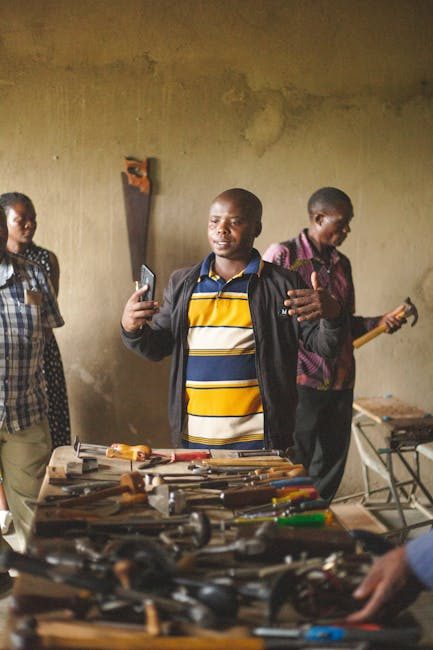
For too long, Uganda’s education has been characterized by a disconnect between classroom theory and real-world applicability. Imagine a budding engineer, brilliant in theoretical physics, yet unable to troubleshoot a simple mechanical issue. This scenario, unfortunately, reflects a systemic problem. The emphasis on memorization, while valuable, overshadows the development of critical thinking, problem-solving, and hands-on expertise. This is particularly detrimental in sectors like agriculture, a mainstay of the Ugandan economy, where innovation and practical skills are paramount.
The problem is compounded by limited resources. Consider a rural school, lacking a computer lab or even reliable internet access. How can students there develop the digital literacy essential for the modern workplace? Furthermore, the curriculum often lags behind the rapidly evolving demands of industries, leaving graduates with outdated skills.
But there’s another crucial element often overlooked: nurturing soft skills. Think of a brilliant programmer who struggles to communicate effectively within a team. Emotional intelligence, communication skills, and teamwork are just as vital as technical expertise.

Re-Engineering Education: A Multi-Pronged Approach
Recognizing the urgency, Uganda is embarking on a comprehensive overhaul of its education system. This involves not just curriculum changes, but also strategic investments and innovative partnerships.
Competency-Based Curriculum: Learning by Doing
The cornerstone of this transformation is a shift towards competency-based learning. This means moving away from simply memorizing facts and figures, and instead focusing on developing specific skills and abilities. Imagine students working on a real-world project, like designing a sustainable irrigation system for a local farm. This approach not only imparts technical knowledge but also fosters critical thinking, problem-solving, and teamwork.
- Emphasis on practical application and real-world projects
- Integration of digital literacy across all subjects
- Cultivating entrepreneurial mindsets
TVET: The Engine of Skilled Trades
Vocational training, often overlooked, is now taking center stage. The goal is to create a robust network of technical and vocational education and training (TVET) programs, equipping students with the skills needed for specific trades and industries. Consider a young person training to be a solar panel installer, addressing Uganda’s energy needs while securing a viable career.
Key initiatives include:
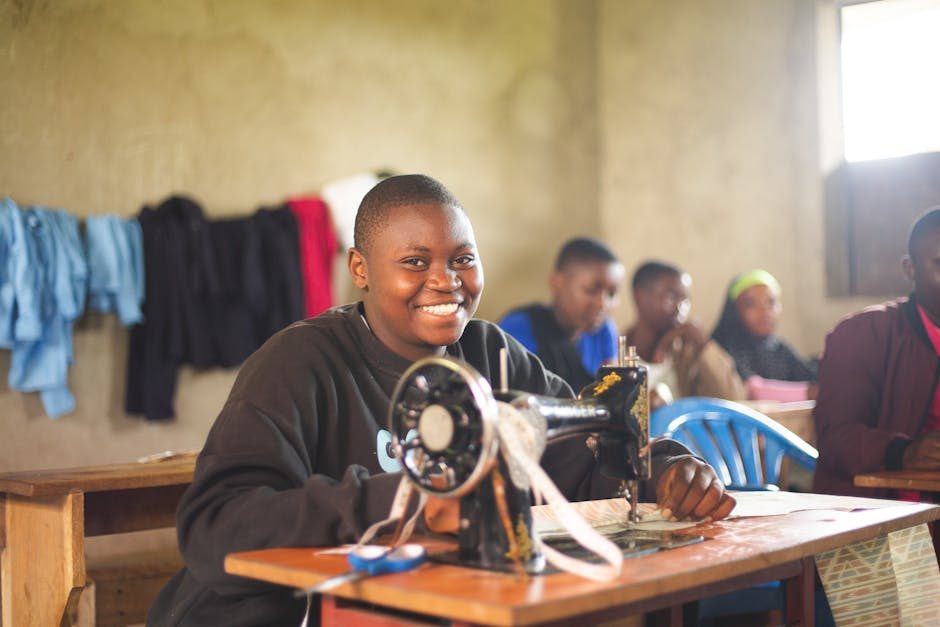
- Establishing state-of-the-art vocational training centers
- Developing industry-aligned curricula in collaboration with employers
- Providing scholarships and incentives to encourage enrollment in TVET programs
Strategic Alliances: The Power of Collaboration
Public-private partnerships (PPPs) are proving to be a game-changer. These collaborations bring together the expertise and resources of government, private sector companies, and educational institutions. For example, a tech company could partner with a university to develop a cybersecurity training program, ensuring that graduates have the skills needed to protect Uganda’s digital infrastructure. These partnerships ensure that training programs are relevant, up-to-date, and aligned with the needs of the job market.
Obstacles and Opportunities Ahead
The path to a skilled workforce is not without its challenges.
Challenges:
- Persistent funding gaps, particularly in rural schools
- Outdated infrastructure and limited access to technology
- A shortage of qualified instructors, especially in technical fields
- Cultural biases that undervalue vocational training
Opportunities:
- Harnessing the power of technology to deliver quality education to remote areas
- Strengthening collaboration between education and industry
- Promoting a culture of lifelong learning and skills development
- Investing in research and innovation to drive educational improvements
A Brighter Future: Investing in Uganda’s Human Capital
The transformation of Uganda’s education system is not merely an academic exercise; it is an investment in the nation’s future. By bridging the skills gap, Uganda can unlock its economic potential, create opportunities for its youth, and build a more prosperous and equitable society. The journey requires commitment, innovation, and collaboration, but the rewards are immeasurable.
If you want a practical next step, you can also check out Heal your past, design your future.
If you want a practical next step, you can also check out Become an Ultimate Master of your life.


 ADVANCED LEVEL BIOLOGY, NEW CURRICULUM, SENIOR FIVEAdvanced Secondary,Biology
  Command Your Timeline: Heal the Past, Design Your FutureIntelligence,Skills Development
  SHAPTA MOCKS 2024
 Ultimate Me: Unlock Your Ultimate Potential & Energy HealingIntelligence,Skills Development
  NLSC: SENIOR THREE AGRICULTUREAgriculture,New Lower Secondary Curriculum,Ordinary Secondary
 What is ChatGPT?General
- Bridging the Digital Divide: Uganda’s Education Revolution Through Digital Literacy and Teacher TrainingGeneral
 Uganda’s Digital Leap: Transforming Primary Education Through TechnologyGeneral
- Uganda’s Education Renaissance: Combating Learning Loss and Empowering EducatorsGeneral
 The Art of the Subjective: Exploring the Nuances of Book ReviewingGeneral
 Crafting the Perfect Book Review: A Guide for Aspiring CriticsGeneral
 Unveiling the Layers: A Deep Dive into Book Reviewing Beyond Plot SummariesGeneral
 The Art of the Book Review: Beyond Summary, Towards Deeper ConnectionGeneral
 The Art of Crafting a Compelling Book Review: Beyond Summary and CritiqueGeneral
 Crafting Compelling Book Reviews: Beyond Summary, Towards InfluenceGeneral
- The Quintessential Watch Collection: A 30-Year Journey and Lessons for Ugandan LearnersGeneral
 KAKURU BENARDSample Activity of Integration on Forests, Forest resources and Forestry in Africa
- KAKURU BENARDSample Activity of Integration on Trade within and outside East Africa
 Babirye SandraO-LEVEL ENTREPRENUERSHIP,PETTY CASHBOOK ASSIGNMENT
- Babirye SandraO-LEVEL ENTREPRENUERSHIP,PETTY CASHBOOK ASSIGNMENT
- Babirye SandraO-LEVEL ENTREPRENUERSHIP,PETTY CASHBOOK ASSIGNMENT

0 responses on "Uganda's Education System: Bridging the Skills Gap for a Modern Workforce"