
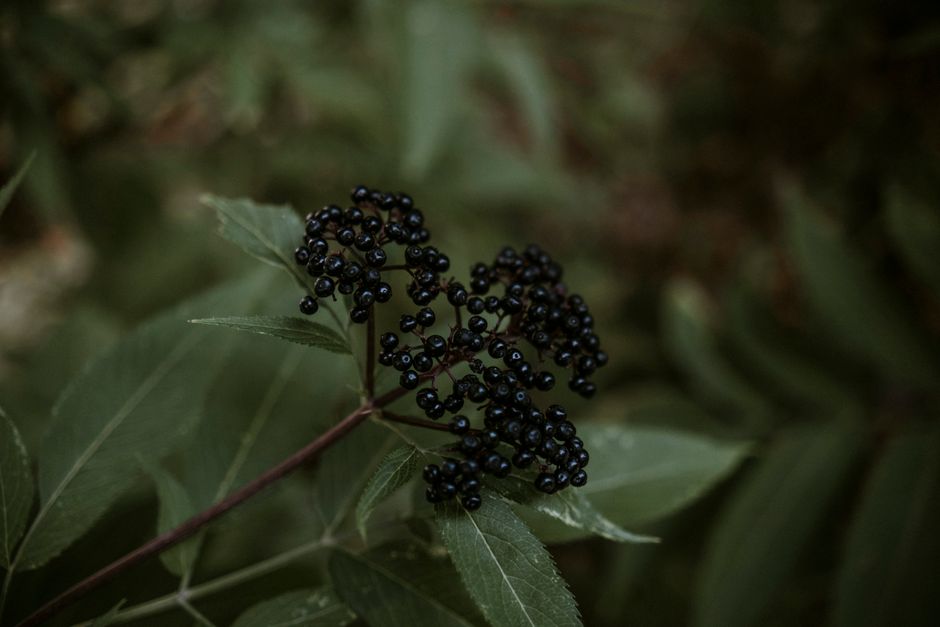
Long before pharmaceutical companies began packaging cold remedies in blister packs, communities across continents were turning to a humble shrub bearing clusters of dark, jewel-like berries. Today, rigorous laboratory studies and clinical trials are catching up to centuries of anecdotal wisdom — and the findings are hard to ignore.
- Sambucus nigra, commonly called black elderberry, has measurable antiviral and immune-supportive effects backed by peer-reviewed studies.
- Different parts of the plant — berries, flowers, bark, and leaves — offer distinct health applications.
- Home preparation is feasible through syrups, teas, and tinctures, though raw plant material requires careful handling due to naturally occurring toxic compounds.
- Clinical evidence suggests elderberry may reduce both the duration and severity of influenza and common cold symptoms.
- Pharmaceutical antivirals remain an option but often carry heavier side-effect burdens than elderberry preparations.
A Shrub With Roots in Every Major Healing Tradition
Black elderberry grows across Europe, North America, and parts of Asia and Africa, typically reaching between five and thirty feet in height. Each late spring the plant erupts in flat-topped clusters of creamy white blossoms; by late summer those same clusters hang heavy with deep purple-black berries. Healers throughout history recognized value in nearly every part of the plant — roots, bark, leaves, flowers, and fruit all found their way into traditional remedies.
The historical record is striking in its geographic breadth. Egyptian papyri describe elderflower preparations applied to burns and skin complaints. Hippocrates, practicing medicine around 400 BCE, reportedly kept elder close at hand as a go-to therapeutic resource. Across dozens of Indigenous North American nations, elderberry preparations addressed everything from high fevers to nerve pain. In medieval Europe, the elder tree carried near-mythological status as a protector of health. That such geographically and culturally separate traditions independently arrived at similar conclusions about this single plant speaks to something genuinely pharmacologically active within it.
Breaking Down What Elderberry Actually Contains
The case for elderberry as a meaningful health tool begins at the molecular level. Its berries are not simply nutritious — they deliver a layered combination of compounds that interact with human immune biology in complementary ways.

Vitamins, Minerals, and Basic Nutrition
A 100-gram serving of raw elderberries provides roughly 36 milligrams of vitamin C — approximately 40 percent of the average adult’s daily requirement. The berries also contribute meaningful amounts of vitamin B6, potassium, and iron. These nutrients support immune cell production, energy metabolism, and the maintenance of healthy blood pressure, making elderberry nutritionally useful beyond its more celebrated antiviral properties.
Anthocyanins: The Pigments Behind the Power
The intensely dark color of ripe elderberries is a visual signal of their exceptional anthocyanin concentration. Anthocyanins are flavonoid pigments with strong antioxidant activity, and two specific compounds — cyanidin-3-glucoside and cyanidin-3-sambubioside — are present in particularly high concentrations in Sambucus nigra. Laboratory research has demonstrated that these molecules can directly interfere with viral replication. Beyond their antiviral role, anthocyanins help reduce oxidative cellular damage and support the structural integrity of mucous membranes, which serve as the body’s first physical barrier against inhaled pathogens.
Supporting Flavonoids and Phenolic Acids
Elderberry’s phytochemical profile extends further to include quercetin, rutin, kaempferol, and chlorogenic acid. Quercetin in particular has attracted significant independent research interest for its anti-inflammatory and antiviral properties. The plant’s flowers are especially concentrated in volatile oils and flavonoids, which helps explain why elderflower infusions have historically been used to ease sinus congestion, mild fevers, and upper respiratory discomfort — applications distinct from but complementary to those of the berries themselves.
The Mechanisms: How Elderberry Interacts With Your Immune System
Rather than acting through a single pathway, elderberry appears to engage the immune system on multiple fronts simultaneously, targeting both the innate (immediate, non-specific) and adaptive (targeted, memory-based) branches of immune defense.

Blocking Viruses Before They Can Replicate
Among the most practically significant findings in elderberry research is evidence that its flavonoids can physically bind to proteins on the outer surface of influenza virions. This binding action prevents the virus from successfully attaching to and entering respiratory epithelial cells. Without cellular entry, replication cannot occur and the infection cannot spread. The mechanism is conceptually similar to how pharmaceutical neuraminidase inhibitors work, though elderberry achieves this through an entirely different molecular interaction — one that may reduce the likelihood of the resistance development that plagues some conventional antivirals.
Activating Cytokine Signaling
Elderberry extracts have been shown in laboratory studies to stimulate monocytes and macrophages to release key signaling proteins including tumor necrosis factor-alpha, interleukin-1 beta, and interleukin-6. These cytokines function as chemical messengers that coordinate the immune response — activating additional immune cells, directing them toward sites of infection, and accelerating the containment of viral activity. This cytokine-stimulating effect is widely considered the primary reason elderberry preparations appear to shorten the duration of cold and flu episodes in clinical settings.
For those looking to take the next step, Heal your past, design your future is a resource worth exploring.
For those looking to take the next step, Become an Ultimate Master of your life is a resource worth exploring.
Shielding Immune Cells From Oxidative Damage
Active infection generates significant quantities of free radicals as a byproduct of immune activity. These reactive molecules can damage the very immune cells — neutrophils, lymphocytes, macrophages — that are working to clear the infection. Elderberry’s high antioxidant capacity, reflected in strong ORAC measurements, helps neutralize this oxidative burden, preserving the functional capacity of immune cells throughout the course of illness rather than allowing them to be sidelined by the very battle they are fighting.
What Controlled Clinical Trials Have Found
Elderberry’s credibility has moved well beyond folk tradition into the domain of peer-reviewed evidence. Several well-designed clinical studies have examined its effects on influenza and common cold outcomes with notable results.
A 2016 randomized, double-blind, placebo-controlled trial published in Nutrients followed 312 economy-class airline passengers — a population at elevated infection risk due to close quarters and recirculated air. Participants taking elderberry extract experienced colds of significantly shorter duration and reduced symptom severity compared to the placebo group. A separate 2004 study published in the Journal of International Medical Research found that influenza patients taking elderberry syrup recovered an average of four days faster than those receiving placebo. A 2016 meta-analysis in the Journal of Functional Foods pooled data across multiple trials and concluded that elderberry supplementation substantially reduced both the duration and severity of upper respiratory symptoms.
It is worth noting that most existing trials involve relatively small sample sizes, and researchers consistently call for larger, more comprehensive studies. Nevertheless, the direction of evidence is consistent: elderberry appears to offer genuine, measurable benefit during acute respiratory illness.
Practical Forms and How to Use Them
One of elderberry’s practical advantages is the variety of preparation methods available, many of which can be produced at home with modest effort.
Elderberry Syrup
Syrup is by far the most popular preparation and the form most commonly used in clinical studies. A basic recipe involves simmering dried elderberries with water, cinnamon, cloves, and ginger, then straining and combining the cooled liquid with raw honey. The result is a palatable, shelf-stable preparation that can be taken daily as a preventive measure or more frequently at the onset of symptoms. Typical preventive doses in adult studies range from one to two tablespoons daily; therapeutic doses during active illness are often higher.
Elderflower Tea and Infusions
Dried elderflowers steeped in hot water produce a mild, floral tea traditionally used for fever management, sinus relief, and as a gentle diaphoretic — a preparation that encourages mild perspiration to assist the body’s natural fever response. Elderflower cordial, a popular European beverage, uses the blossoms in a cold infusion with sugar and lemon, though the therapeutic potency of sweetened cordial is considerably lower than that of medicinal preparations.
Tinctures and Capsules
Alcohol-based elderberry tinctures offer a concentrated, long-shelf-life alternative to syrup and are favored by those who prefer precise dosing. Standardized elderberry capsules and lozenges are widely available commercially and provide a convenient option for travel or situations where syrup preparation is impractical.
Critical Safety Considerations
Elderberry’s long history of use does not mean it is without risk. Several important precautions apply to anyone considering its use.
Raw, unripe elderberries contain sambunigrin, a cyanogenic glycoside that can cause nausea, vomiting, and diarrhea. The same compound is present in the plant’s leaves, bark, and roots. Proper cooking or drying eliminates this risk, which is why commercially prepared elderberry products are safe while raw berry consumption is not recommended. European red elder (Sambucus racemosa) carries a higher concentration of these compounds than Sambucus nigra and is generally considered unsuitable for consumption.
Because elderberry stimulates cytokine production, individuals with autoimmune conditions — including lupus, rheumatoid arthritis, and multiple sclerosis — should consult a healthcare provider before use, as immune stimulation could theoretically exacerbate these conditions. The same caution applies to individuals taking immunosuppressant medications. Pregnant and breastfeeding individuals are typically advised to avoid elderberry preparations due to insufficient safety data for these populations.
Elderberry Versus Pharmaceutical Antivirals: A Realistic Comparison
Pharmaceutical antivirals such as oseltamivir (Tamiflu) and zanamivir (Relenza) remain the clinical standard for confirmed influenza treatment, particularly in high-risk populations. These drugs, when taken within 48 hours of symptom onset, can reduce illness duration by approximately one to two days — a result broadly comparable to what elderberry trials have shown.
The meaningful differences lie in side-effect profiles and accessibility. Oseltamivir is associated with nausea, vomiting, and, in rare cases, neuropsychiatric effects. It requires a prescription and carries a significant cost. Elderberry syrup, by contrast, is available over the counter, is generally well-tolerated, and can be prepared inexpensively at home. For otherwise healthy adults experiencing uncomplicated cold or flu symptoms, elderberry represents a reasonable, evidence-supported first-line option. For elderly individuals, young children, immunocompromised patients, or those with confirmed influenza and high fever, conventional medical evaluation and pharmaceutical treatment remain the appropriate standard of care.
Growing and Harvesting Your Own Elder
For those interested in working directly with the plant, Sambucus nigra is a relatively undemanding shrub that thrives in temperate climates across USDA hardiness zones 3 through 9. It prefers moist, well-drained soil and partial to full sun, and reaches productive maturity within two to three years of planting. Berries are ready for harvest in late August through September when they have turned uniformly deep purple-black and hang in heavy, drooping clusters. Green or red berries should never be consumed. Flowers are harvested in late spring when fully open but before they begin to brown, and should be used fresh or dried promptly to preserve volatile oil content.
The Bottom Line on Elderberry
Elderberry occupies a genuinely unusual position in the landscape of natural health remedies: it carries both deep historical credibility and a growing body of modern clinical evidence. Its antiviral mechanisms are specific and measurable, its nutritional profile is legitimately impressive, and its safety record — when properly prepared — is strong. It is not a cure for influenza, nor a replacement for vaccination or medical care in serious illness. What it offers is a well-supported, accessible, and historically validated tool for supporting immune function and potentially shortening the misery of seasonal respiratory illness — which, for most people most of the time, is exactly what they are looking for.


 ADVANCED LEVEL BIOLOGY, NEW CURRICULUM, SENIOR FIVEAdvanced Secondary,Biology
  Command Your Timeline: Heal the Past, Design Your FutureIntelligence,Skills Development
  SHAPTA MOCKS 2024
 Ultimate Me: Unlock Your Ultimate Potential & Energy HealingIntelligence,Skills Development
  NLSC: SENIOR THREE AGRICULTUREAgriculture,New Lower Secondary Curriculum,Ordinary Secondary
 What is ChatGPT?General
 Elderberry: The Wildcrafted Herb That Fights Illness NaturallyGeneral
 Elderberry: The Wildcrafted Herb That Heals NaturallyGeneral
 Friday Shutdown Routine That Replaced My Sunday Reset for GoodGeneral
 Turmeric: The Golden Herb That Heals From the Inside OutGeneral
 Turmeric: The Golden Herb That Heals From the Inside OutGeneral
 Best Free AI Voice Tools Available Right Now in 2025General
 Minecraft Quests & Ugandan Curriculum: Learn Through GamingGeneral
- Uganda Schools on the Brink: The Human Cost of Aid Cuts 2026General
 CapCut AI Ad Test: Is It Fast or Just Flashy?General
 Turmeric: The Golden Herb That Heals From the Inside OutGeneral
 KAKURU BENARDSample Activity of Integration on Forests, Forest resources and Forestry in Africa
- KAKURU BENARDSample Activity of Integration on Trade within and outside East Africa
 Babirye SandraO-LEVEL ENTREPRENUERSHIP,PETTY CASHBOOK ASSIGNMENT
- Babirye SandraO-LEVEL ENTREPRENUERSHIP,PETTY CASHBOOK ASSIGNMENT
- Babirye SandraO-LEVEL ENTREPRENUERSHIP,PETTY CASHBOOK ASSIGNMENT

0 responses on "Elderberry: The Ancient Herb That Supercharges Your Immune System"