
Carl Jung: A Biographical Overview
Name: Carl Gustav Jung
Lifespan: 1875–1961
Origin: Switzerland
Area of Focus: Psychiatry, Psychology, Analytical Psychology

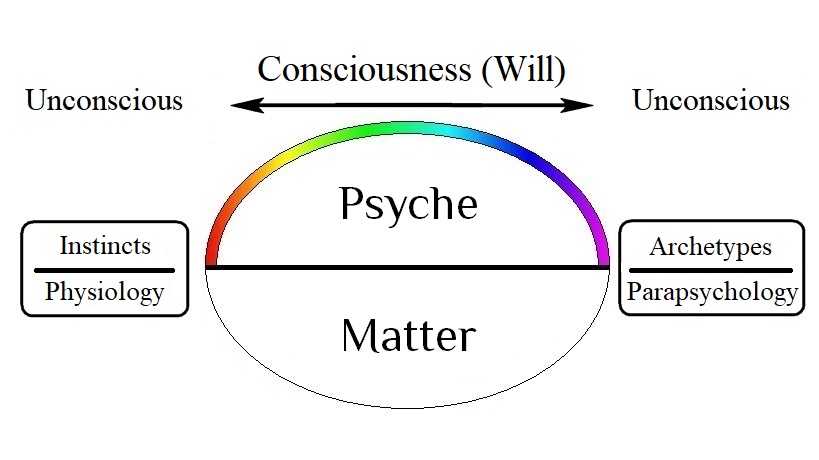
Global Impact: Carl Jung, a pioneering psychiatrist and the founder of analytical psychology, profoundly impacted the world. He explored the depths of the human psyche, introducing concepts like the collective unconscious, archetypes, and psychological types. These ideas have extended beyond psychology, influencing literature, art, and popular culture globally.
The Formative Years and Education
Carl Jung was born in Kesswil, Switzerland, to a Protestant clergyman. His early life was marked by a rich inner world and a fascination with religious symbolism. He often sought solitude, experiencing vivid dreams and visions that he later recognized as key to understanding his psyche.
Jung pursued medicine at the University of Basel, but his interests soon gravitated towards psychiatry. The works of Sigmund Freud had a significant influence on him, and their early collaboration was crucial in shaping Jung’s career. However, their differing views eventually led to a major intellectual and personal separation.
Early Academic Pursuits
Jung’s initial studies in medicine provided him with a strong foundation in the biological and physiological aspects of human health. This background proved valuable as he transitioned into the study of the human mind and its complexities.
Influence of Freud and the Divergence
The initial partnership between Jung and Freud was highly productive, with both men contributing significantly to the development of psychoanalytic theory. However, as Jung began to develop his own unique perspectives on the unconscious and its role in human psychology, tensions arose. Their eventual split marked a significant turning point in the history of psychoanalysis.
The Journey of Self-Discovery and Analytical Psychology
A pivotal period in Jung’s life was his intense self-analysis, triggered by his break from Freud. During this introspective time, Jung delved into his unconscious, confronting his inner conflicts and interpreting the symbolic language of dreams and fantasies. This process led to the development of his unique school of thought, analytical psychology.
Key Concepts in Analytical Psychology
- The Collective Unconscious: A universal layer of the unconscious shared by all humanity, containing archetypes and inherited predispositions.
- Archetypes: Universal, primordial images and patterns of behavior that reside in the collective unconscious. Examples include the Mother, the Hero, and the Shadow.
- Psychological Types: Jung identified different personality types based on attitudes (introversion and extraversion) and functions (thinking, feeling, sensation, and intuition).
The Significance of Dreams and Symbolism
Jung placed great emphasis on the interpretation of dreams and symbols as a means of accessing the unconscious mind. He believed that dreams provide valuable insights into an individual’s psychological state and can guide personal growth and self-understanding.
Jung’s Lasting Impact
Carl Jung’s ideas have had a lasting impact on various fields, including psychology, literature, art, and religion. His concepts continue to be studied and debated, and his work remains relevant to understanding the human psyche.
Influence on Literature and Art
Jung’s archetypes and theories have inspired countless writers and artists. His work has provided a framework for exploring universal themes and characters in literature and art.
Legacy in Modern Psychology
Analytical psychology continues to be practiced and studied by therapists and researchers around the world. Jung’s emphasis on the importance of the individual and the process of self-discovery remains a cornerstone of many therapeutic approaches.
If you want a practical next step, you can also check out Heal your past, design your future.
If you want a practical next step, you can also check out Become an Ultimate Master of your life.


 ADVANCED LEVEL BIOLOGY, NEW CURRICULUM, SENIOR FIVEAdvanced Secondary,Biology
  Command Your Timeline: Heal the Past, Design Your FutureIntelligence,Skills Development
  SHAPTA MOCKS 2024
 Ultimate Me: Unlock Your Ultimate Potential & Energy HealingIntelligence,Skills Development
  NLSC: SENIOR THREE AGRICULTUREAgriculture,New Lower Secondary Curriculum,Ordinary Secondary
 What is ChatGPT?General
- Bridging the Digital Divide: Uganda’s Education Revolution Through Digital Literacy and Teacher TrainingGeneral
 Uganda’s Digital Leap: Transforming Primary Education Through TechnologyGeneral
- Uganda’s Education Renaissance: Combating Learning Loss and Empowering EducatorsGeneral
 The Art of the Subjective: Exploring the Nuances of Book ReviewingGeneral
 Crafting the Perfect Book Review: A Guide for Aspiring CriticsGeneral
 Unveiling the Layers: A Deep Dive into Book Reviewing Beyond Plot SummariesGeneral
 The Art of the Book Review: Beyond Summary, Towards Deeper ConnectionGeneral
 The Art of Crafting a Compelling Book Review: Beyond Summary and CritiqueGeneral
 Crafting Compelling Book Reviews: Beyond Summary, Towards InfluenceGeneral
- The Quintessential Watch Collection: A 30-Year Journey and Lessons for Ugandan LearnersGeneral
 KAKURU BENARDSample Activity of Integration on Forests, Forest resources and Forestry in Africa
- KAKURU BENARDSample Activity of Integration on Trade within and outside East Africa
 Babirye SandraO-LEVEL ENTREPRENUERSHIP,PETTY CASHBOOK ASSIGNMENT
- Babirye SandraO-LEVEL ENTREPRENUERSHIP,PETTY CASHBOOK ASSIGNMENT
- Babirye SandraO-LEVEL ENTREPRENUERSHIP,PETTY CASHBOOK ASSIGNMENT
0 responses on "Profile: Carl Jung — Life, Ideas, Teachings & Global Influence"